Who are the scientists behind the Nobel-winning immune tolerance discovery?
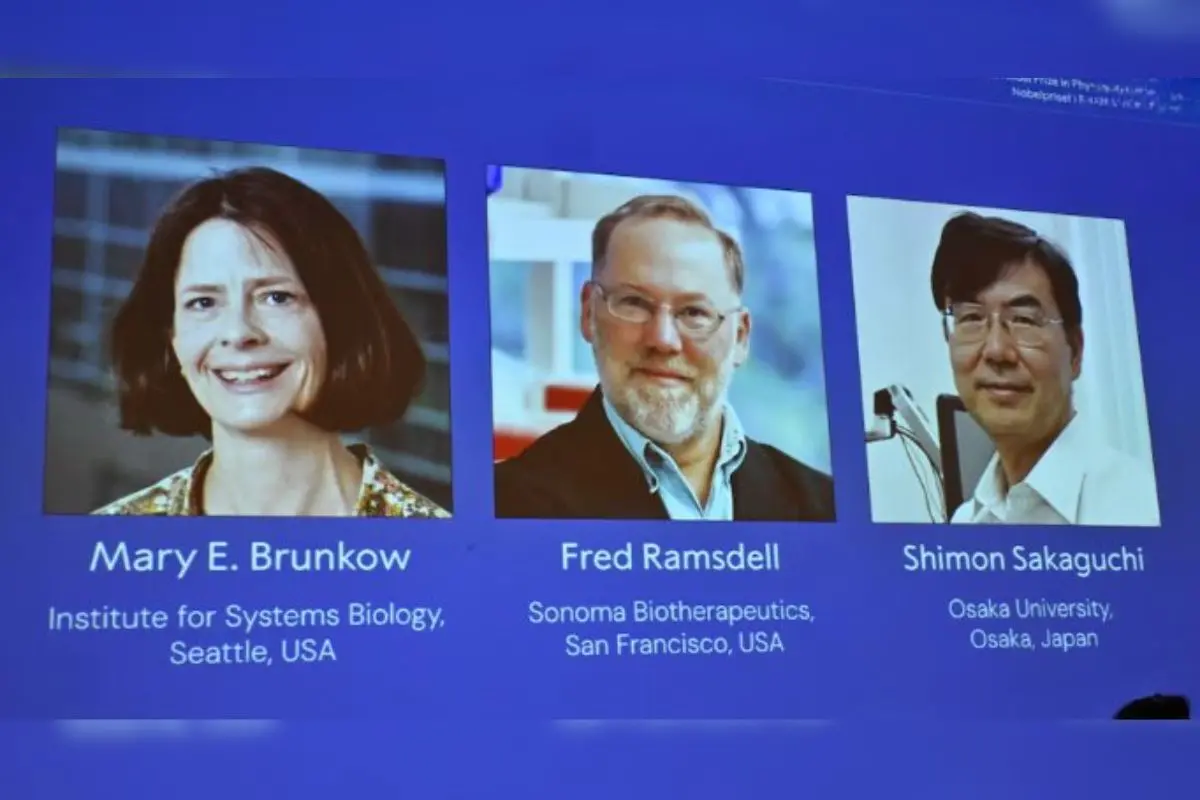
The 2025 Nobel Prize in Physiology or Medicine has been awarded to Mary E. Brunkow, Fred Ramsdell, and Shimon Sakaguchi for their transformative discoveries on peripheral immune tolerance, a breakthrough that is reshaping therapies for autoimmune diseases and advancing cancer immunotherapy.
Mary E. Brunkow, born in 1961, earned her PhD at Princeton University. She is a Senior Program Manager at the Institute for Systems Biology in Seattle, USA. Her work in 2001 on the Foxp3 gene, a master regulator of immune tolerance, linked genetic mutations to severe autoimmune disorders like IPEX syndrome. Her research plays a critical role in understanding how regulatory T cells maintain immune homeostasis.
Fred Ramsdell, born in 1960 and Ph.D. graduate from UCLA, serves as a Scientific Advisor at Sonoma Biotherapeutics in San Francisco. Collaborating with Brunkow, Ramsdell identified Foxp3 mutations as the driver of immune dysregulation in autoimmune disease. His contributions have paved the way for innovative immunotherapies based on precision medicine that target peripheral immune mechanisms.
Shimon Sakaguchi, born in 1951, is a Distinguished Professor at Osaka University's Immunology Frontier Research Centre. He famously discovered regulatory T cells in 1995, overturning long-held beliefs in immunology about how immune tolerance is maintained. Sakaguchi’s research established the cellular basis for preventing autoimmune attacks and laid the foundation for checkpoint modulator therapies in immuno-oncology.
Their discoveries, now recognised with the Nobel Prize, arrive amid rapid growth in immunological therapies such as CAR-T cell therapy, tolerogenic vaccines, and biomarker-driven clinical trials focused on immune checkpoint pathways. These advances promise to revolutionise treatment for millions with autoimmune diseases and cancer.
“The contributions from these scientists epitomise the intersection of genetics, cell biology, and translational research driving today’s precision immunotherapies,” said Nobel Assembly Chair Olle Kämpe.