Netanyahu apologises to Qatar over military strike during high-stakes White House talks
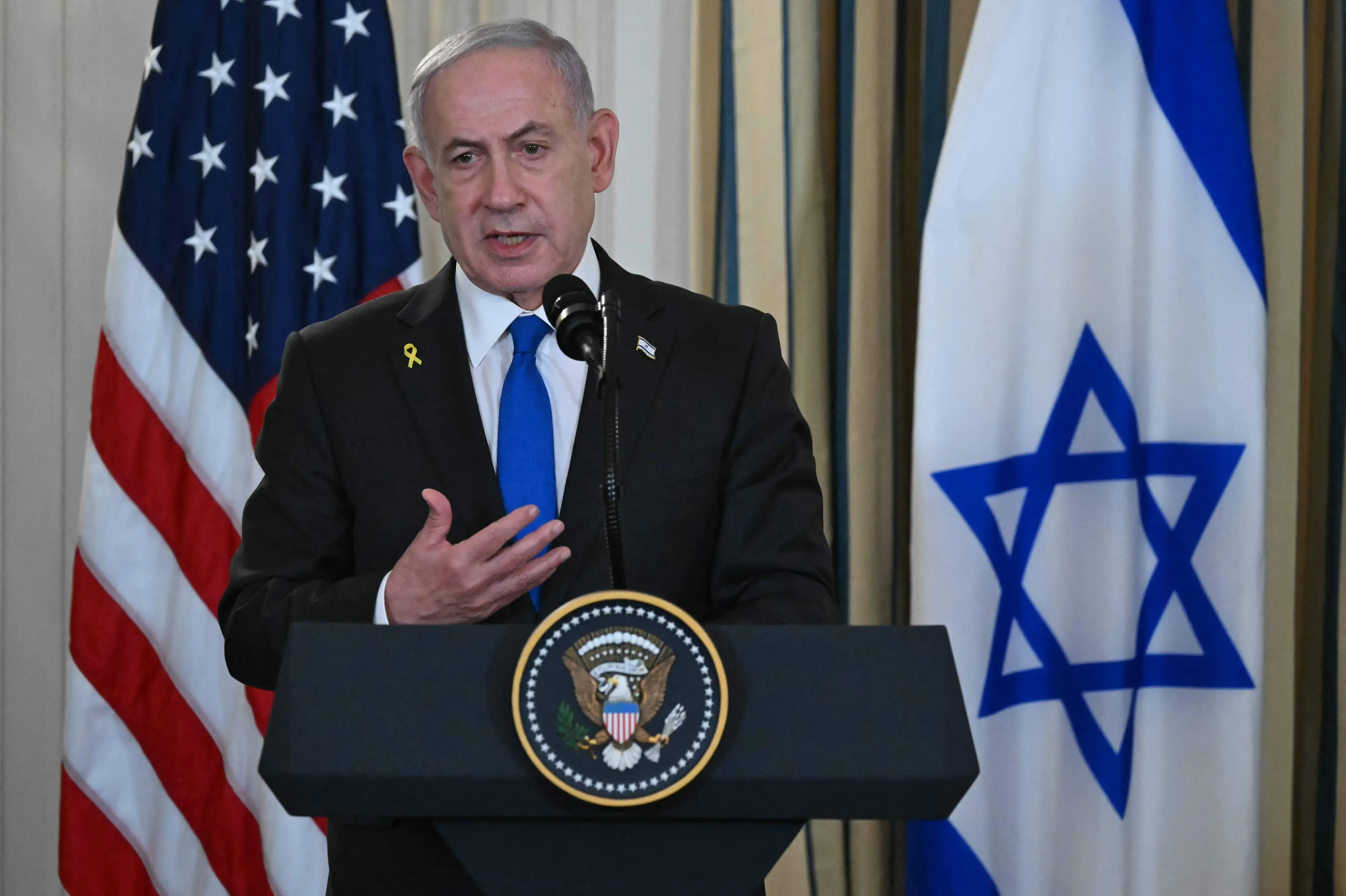
Washington: Israeli Prime Minister Benjamin Netanyahu issued a rare apology to Qatar’s Prime Minister, Mohammed bin Abdulrahman Al Thani, during a tense meeting with US President Donald Trump at the White House on Monday, in a move aimed at easing regional tensions as part of a broader push to end the war in Gaza.
According to sources familiar with the matter, Netanyahu placed the call from the Oval Office at Trump’s urging, to express "deep regret" over a recent Israeli military strike in Qatar that targeted Hamas officials. The attack had sparked outrage among Arab leaders and drew an unusually sharp rebuke from Washington — a sign of growing strain between the Biden administration and the Israeli government.
The apology was part of a diplomatic effort to smooth relations with key regional actors, particularly Qatar, which plays a central role in mediating with Hamas. Trump, increasingly frustrated with Netanyahu over both the pace of the Gaza war and the political fallout it has generated, reportedly demanded the apology as a condition for advancing a new US-backed peace plan.
The phone call came just hours before Trump and Netanyahu publicly unveiled a 20-point Gaza peace proposal that includes an immediate ceasefire, the release of hostages, Hamas’s disarmament, and a phased Israeli withdrawal from the enclave. The plan envisions a post-war transitional authority led by Trump himself, with support from former UK Prime Minister Tony Blair.
“I support your plan to end the war in Gaza which achieves our war aims,” Netanyahu said during a joint press conference. But he warned that if Hamas rejects the proposal, “Israel will finish the job by itself” — a statement echoed by Trump, who pledged full backing for further Israeli military action if talks fail.
While the plan drew praise from key Arab states, including Qatar, Saudi Arabia, and Egypt, as well as strong endorsements from European leaders, it remains uncertain whether Hamas will accept the terms. Qatari and Egyptian mediators have since relayed the proposal to the group, but no formal response has been issued.
Netanyahu's apology to Qatar, long a rare move for an Israeli leader, reflects the fragile state of Israel’s regional ties as well as the growing diplomatic pressure from Washington. The Israeli strike in Qatar risked undermining ongoing ceasefire efforts and infuriated a key interlocutor in the hostage negotiations.
Hamas itself reacted with suspicion and delay. A senior Hamas official told AFP that the group would “respond once we receive it,” confirming that Qatari and Egyptian mediators had shared the US plan with them.
On the ground in Gaza, where over 66,000 people have reportedly been killed in Israel’s military campaign, residents voiced scepticism. “We as a people will not accept this farce,” said Abu Mazen Nassar, a displaced Gazan. Hamas has not issued a formal response, but its silence has left uncertainty hanging over the initiative’s fate.
At home, Netanyahu’s far-right coalition could resist concessions included in the US plan, especially the proposed involvement of the Palestinian Authority in post-war Gaza. Internationally, Israel faces increasing isolation, while Trump appears eager to present a diplomatic win ahead of the upcoming US election cycle.
Whether the apology and the broader peace initiative will be enough to shift the trajectory of the conflict remains to be seen.
(With AP and AFP inputs)