Peter Navarro accuses India of profiting from Russian oil, 'feeding' Putin's war machine
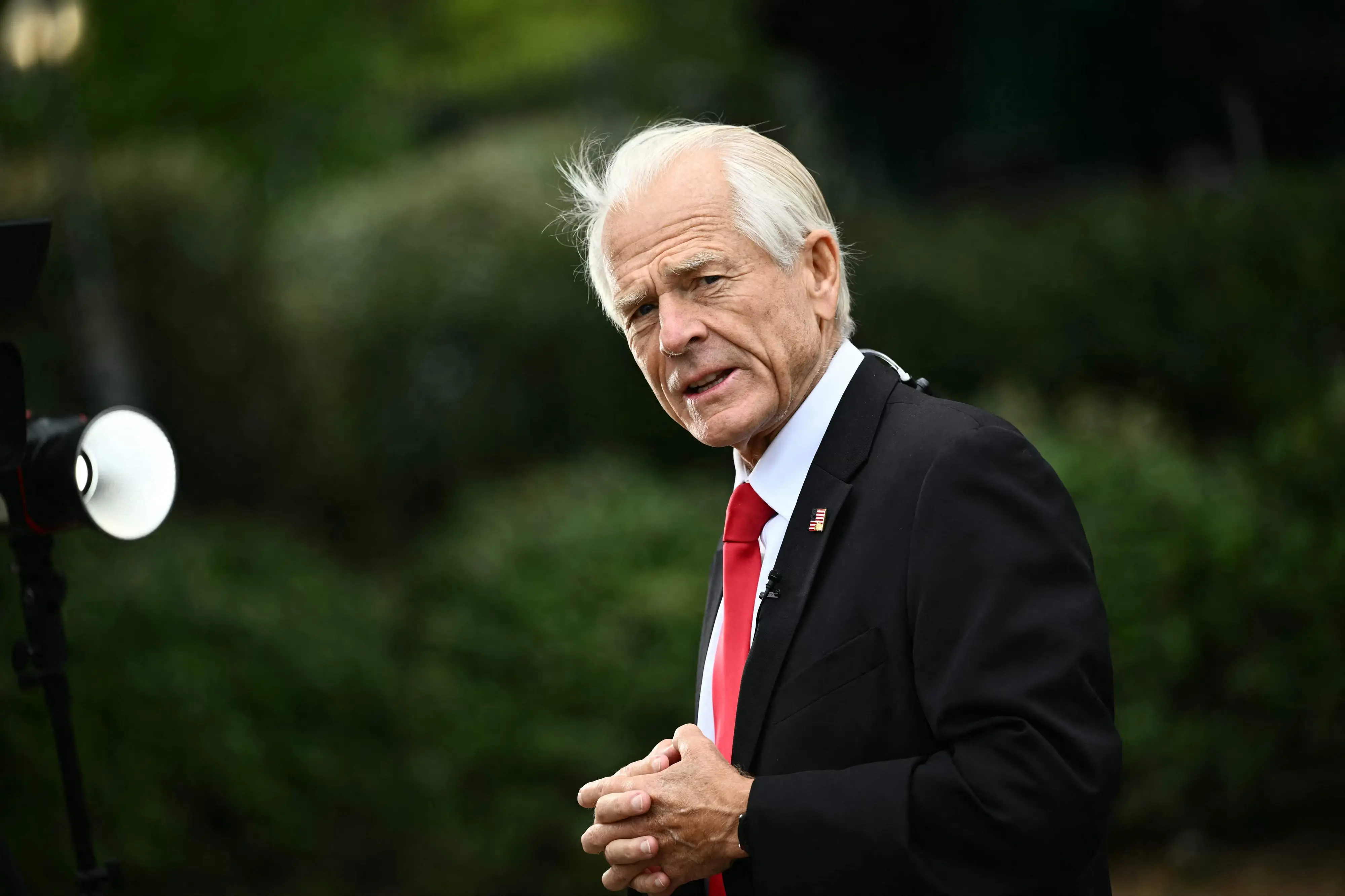
Washington: Peter Navarro, Senior Counsellor for Trade and Manufacturing to US President Donald Trump, has renewed his criticism of India, accusing New Delhi of profiteering from discounted Russian oil and imposing high tariffs that "cost Americans jobs." In a recent post on social media, Navarro called India the "highest tariffs" destination, claimed that Indian revenues from Russian oil help "feed Russia’s war machine," and alleged that "India buys Russian oil purely to profit.” He further stated, “India can’t handle truth/spins,” and labelled US media coverage as “fake news”.
Navarro has repeatedly targeted India's trade and energy policies, terming the country a "laundromat for the Kremlin" and making controversial remarks about Indian "Brahmins profiteering" from the Ukraine conflict. In a recent Bloomberg TV interview, he alleged, “India is helping feed the Russian war machine. I mean Modi’s war, because the road to peace runs, in part, through New Delhi.” Navarro also linked India’s oil purchases to job losses in the US, connecting rising tariffs as a punitive response and citing India’s trade deficit with America.
The Ministry of External Affairs (MEA) strongly rejected Navarro’s statements as “inaccurate and misleading.” Spokesperson Randhir Jaiswal stated, "We have seen the inaccurate and misleading statements made by Navarro, and obviously, we reject them." Jaiswal reiterated the importance of India-US ties, highlighting shared democratic values and robust people-to-people links. "This partnership has weathered several transitions and challenges. We remain focused on the substantive agenda that our two countries have committed to, and hope it will continue to move forward based on mutual respect and shared interests," he added.
India defended its energy procurement as a move driven by national interest and market dynamics. Faced with Western sanctions on Moscow, India turned to discounted Russian crude oil, resulting in an increase from a 1.7 per cent share in total oil imports in 2019-20 to over 35 per cent in 2024-25. The US, meanwhile, imposed a 25 per cent tariff on Indian goods as a direct reaction to India’s continued oil purchases, later adding further duties and describing the action as a response to "unfair trade" and national security concerns.
Despite the tough rhetoric and escalating tariffs, MEA underscored that India "continues to remain engaged with the US side on trade issues" and is committed to a substantive bilateral agenda. The controversy exposes significant friction in India-US relations, dominated by disputes over trade access, tariffs, and geopolitical alignments with Russia.
With inputs from ANI