UAE President smiles as Trump calls journalist ‘good-looking’ in viral G7 moment | WATCH
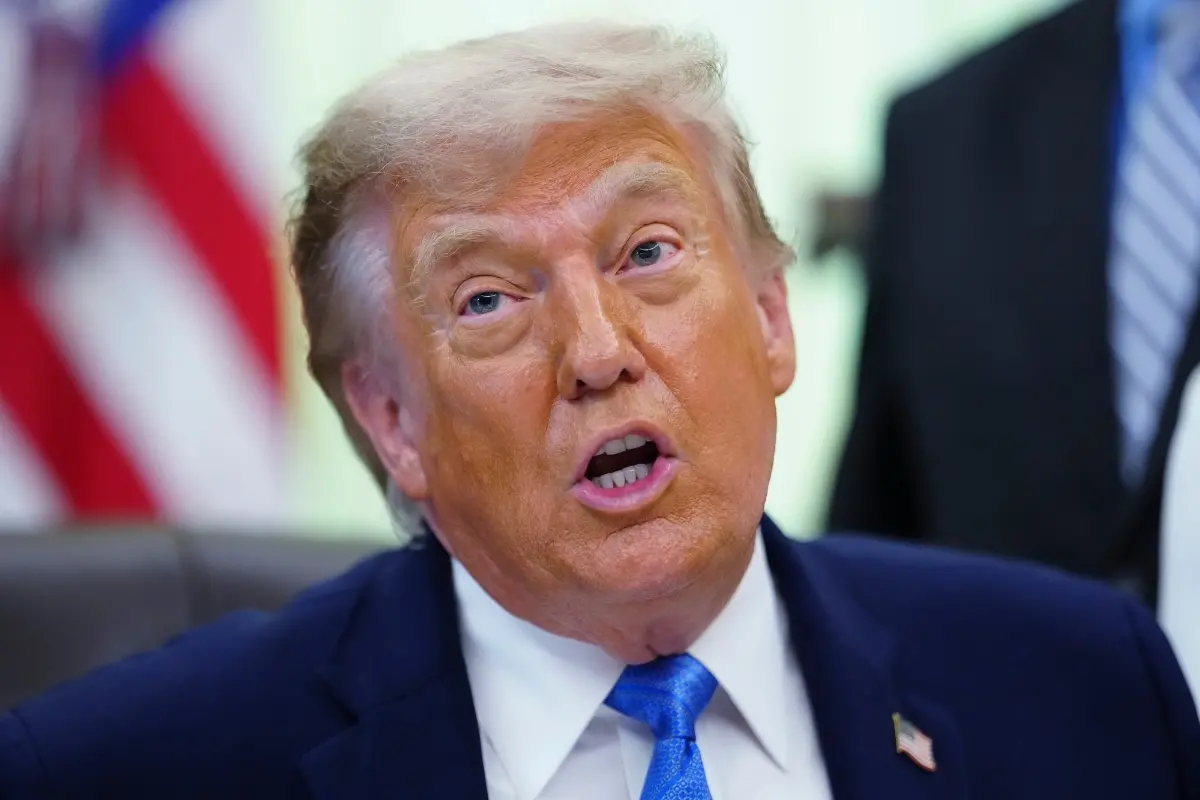
A light-hearted exchange on the sidelines of the G7 Summit has gone viral after a spontaneous interaction between US President Donald Trump and UAE President Mohamed bin Zayed Al Nahyan during a media briefing triggered laughter among officials and journalists present.
The moment happened when a journalist began posing a question to Trump during an informal press interaction. Instead of immediately addressing the query, Trump appeared to react to the person, praising their appearance and asking whether they were from the UAE.
In the now viral video, Trump remarked: “What a nice looking person! Is he from your country?” to which President Mohamed bin Zayed responded, ‘absolutely’ in a brief, friendly manner.
Trump continued the banter, adding: “He’s got such a nice way. My people are so mean!” — a remark widely interpreted as a reference to his frequent criticism of sections of the US media. The UAE President reportedly responded with a light caution, saying, “Be careful,” as the exchange remained cordial and humorous.
Trump further added that the person looked “like someone who could be in a movie,” prompting visible laughter from those in attendance, including members of the press corps and officials on site.
The unscripted moment quickly gained traction online, with clips circulating widely across social media platforms, where users highlighted the informal tone of the diplomatic interaction.
Broader context: Trump and media relations
The viral exchange has also reignited discussion around Trump’s long-standing and often adversarial relationship with the American press. Over the years, he has repeatedly accused media organisations of bias and has frequently used public appearances to criticise journalists directly.
Trump has, at various times, used sharp language against reporters and outlets he views as unfavourable, while also pursuing legal and political battles with segments of the media industry. Supporters argue these actions reflect pushback against biased reporting, while critics say they reflect an increasingly hostile stance toward press freedom.