Middle East airspace chaos: Etihad, Emirates flights diverted as Gulf tensions escalate
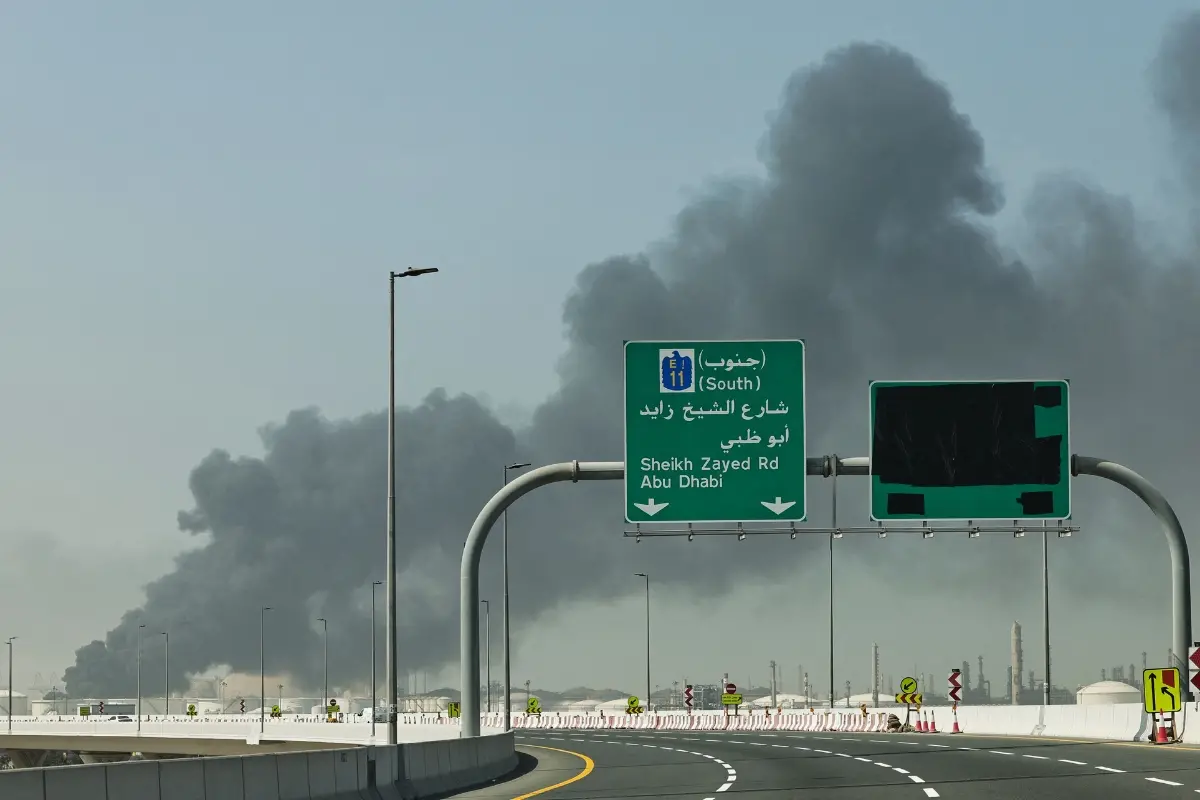
London: Commercial air traffic across the Middle East faced major disruption on Monday as escalating regional tensions triggered widespread diversions, cancellations and airspace closures.
According to flight-tracking platform Flightradar24, two Etihad Airways flights bound for Abu Dhabi were diverted to Muscat, Oman, while an Emirates flight scheduled to land in Dubai appeared to turn back toward Mumbai, India.
Several flights heading to Riyadh’s King Khalid International Airport were reported to be in holding patterns or returning to their departure cities following reports of an attack near the US Embassy in Saudi Arabia’s capital.
The disruptions come amid reports of retaliatory strikes from Iran targeting multiple locations across the Gulf region, heightening security concerns and prompting precautionary airspace restrictions.
UAE evacuation flights begin
As tensions widened, a limited number of evacuation flights departed from Dubai and Abu Dhabi, allowing some stranded travellers to leave the United Arab Emirates. However, the majority of commercial services across the region remained suspended.
The U.S. Department of State issued an urgent advisory, urging American citizens in 13 countries — including the UAE, Saudi Arabia, Jordan, Egypt, Lebanon and Oman — to “depart now via commercial means due to serious safety risks.”
Despite the advisory, widespread cancellations and airspace closures significantly reduced available travel options.
Thousands of flights cancelled
Since the outbreak of hostilities involving US and Israeli strikes on Iran and subsequent retaliatory actions, aviation operations in the region have been severely restricted.
Airspace remained closed over Iran, Iraq and Israel on Monday. Jordan implemented a temporary closure beginning in the afternoon, while Qatar, Bahrain, Kuwait and Saudi Arabia announced partial or temporary restrictions that could be extended.
Airlines continue to monitor the situation closely, with further diversions and cancellations expected if regional security risks persist.