Ebola-like Marburg virus hits Southern Ethiopia; No known cure available
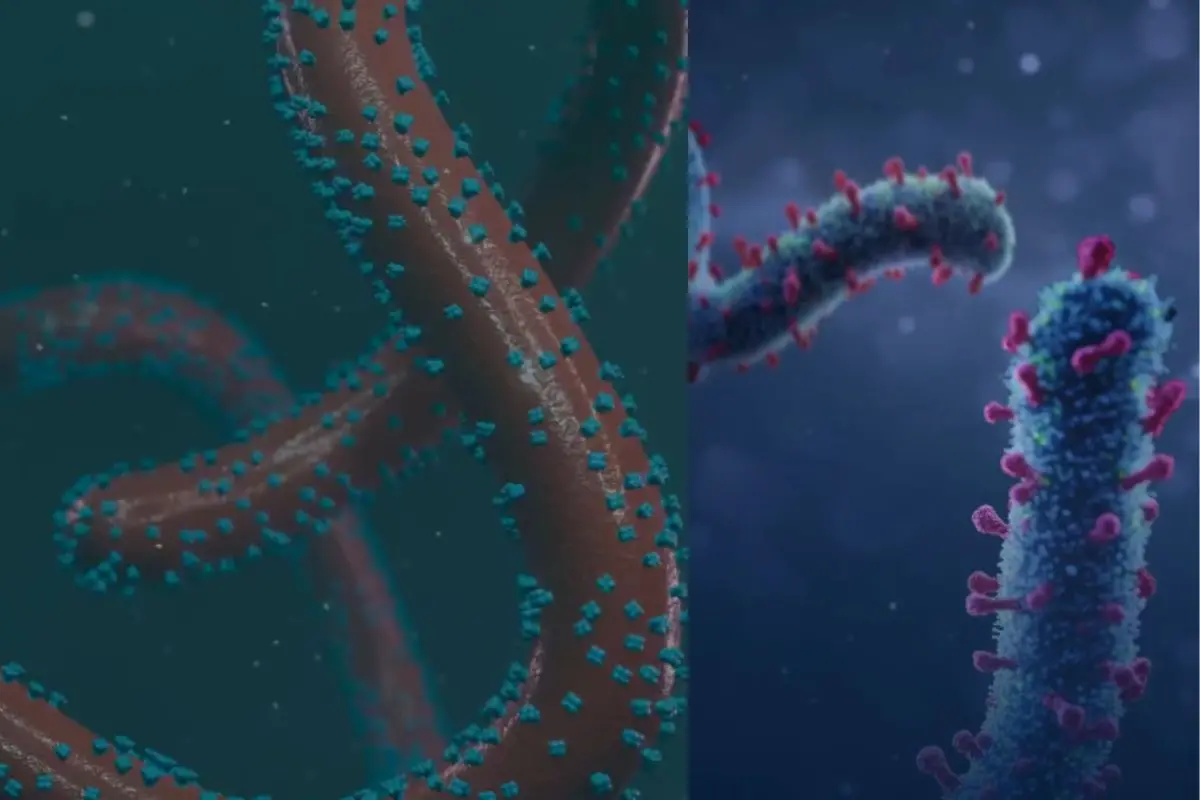
Nairobi: Ethiopia has confirmed an outbreak of the highly lethal Marburg virus in the southern part of the country, the Africa Centres for Disease Control and Prevention (Africa CDC) said on Saturday. Nine cases were reported as of November 14.
The Marburg virus, one of the deadliest pathogens known to science, causes severe bleeding, fever, vomiting and diarrhoea, with a 21-day incubation period. Similar to Ebola, it is transmitted through contact with bodily fluids and has a fatality rate ranging from 25 to 80 percent. It originates from fruit bats.
https:/x.com/AfricaCDC/status/1989608411114201502
The World Health Organization (WHO) director-general, Ethiopian-born Tedros Adhanom Ghebreyesus, confirmed on Friday that at least nine cases had been detected in southern Ethiopia. This announcement came two days after Africa CDC was alerted to a suspected haemorrhagic virus in the region.
“Marburg virus disease (MVD) has been confirmed by the National Reference Laboratory in Ethiopia,” Africa CDC said in a statement. “Further epidemiological investigations and laboratory analyses are underway, and the virus strain detected shows similarities to those previously identified in East Africa.”
The agency added that Ethiopian health authorities had acted swiftly to contain the outbreak in the Jinka area. Africa CDC said it would work closely with Ethiopia to ensure an effective response and to reduce the risk of the virus spreading to other parts of East Africa.
Marburg virus outbreaks have occurred in the region before. An epidemic in Tanzania in January killed ten people before being declared over in March. Rwanda managed to contain its first known Marburg outbreak in December 2024, which caused 15 deaths.
There is currently no approved vaccine or antiviral treatment for Marburg virus. Supportive care, including oral or intravenous rehydration and symptom-specific treatment, can increase patients’ chances of survival. Last year, Rwanda conducted trials of an experimental vaccine developed by the US-based Sabin Vaccine Institute.
AFP