Fatality ratio of up to 88%, 8 suspected cases: WHO, Tanzania disagree over Marburg virus outbreak
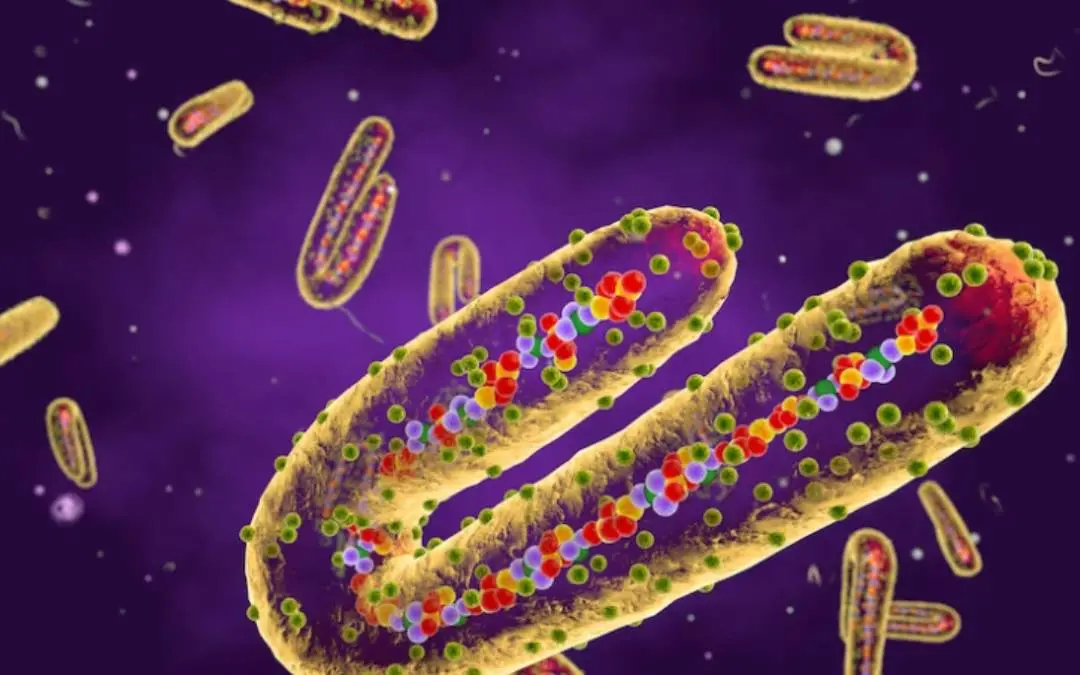
The World Health Organisation (WHO) on Wednesday stated that at least eight people in northern Tanzania have died from suspected Marburg disease. WHO chief Tedros Adhanom Ghebreyesus said, "We are aware of nine cases so far, including eight people who have died," adding, "We would expect further cases in the coming days as disease surveillance improves."
In a swift response to the WHO's claims, Tanzania's Health Minister Jenista Mhagama refuted the report, stating that no one in the country had tested positive for the Marburg virus. "As of 15th January 2025, laboratory results for all suspected individuals were negative for the Marburg virus," Mhagama said in a statement released late Wednesday.
Following reports of suspected cases, the Tanzanian Ministry of Health took immediate action, deploying a team of experts to the area to investigate the situation. According to the ministry, the team carried out event investigations, collected specimens, and conducted laboratory tests, which confirmed that no cases of Marburg had been detected.
Understanding the Marburg virus
Marburg, like Ebola, is a highly contagious virus that originates in fruit bats and spreads through close contact with the bodily fluids of infected individuals or contaminated surfaces. Symptoms include fever, muscle pain, diarrhoea, vomiting, and, in extreme cases, death from severe blood loss. Without treatment, Marburg can be fatal in up to 88% of cases. There is currently no authorised vaccine or treatment for the disease.
WHO's assessment and regional concerns
While the WHO has classified the risk of the suspected outbreak in Tanzania as high at the national and regional levels, it remains low globally. Tanzanian health authorities have yet to provide further updates on the situation following Mhagama's statement.
In 2023, a Marburg outbreak in Kagera, a region bordering Rwanda, killed at least five people. Additionally, Rwanda experienced an outbreak, initially reported on September 27, which was declared over on December 20, after causing 15 deaths and 66 confirmed cases, with the majority of those affected being healthcare workers who had treated the first patients.