Machu Picchu train crash: 1 dead, 40 injured in Peru rail collision
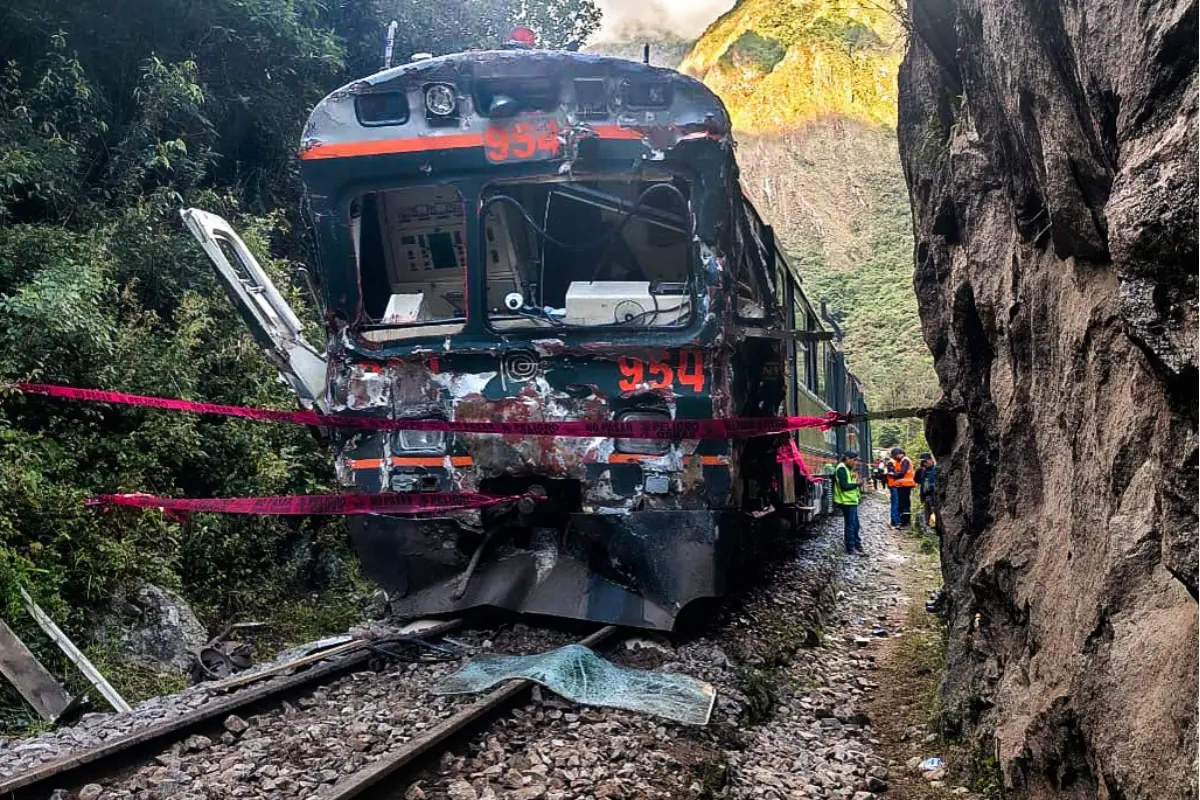
A head-on collision between two trains on the primary rail line serving Machu Picchu killed at least one person and injured 40 others on Tuesday, according to updated reports from local authorities.
The Cusco prosecutor’s office identified the deceased as Roberto Cárdenas Loay, the conductor of one of the two locomotives.
Officials are still working to process the identities of the injured, many of whom are foreign visitors. Medical personnel described several of the victims as being in serious condition. The U.S. Embassy in Peru confirmed that American citizens were among those hurt, though it did not specify the number or the severity of their injuries.
Amateur video captured by passengers and broadcast on the RPP television network showed victims receiving treatment on the side of the tracks near two heavily dented locomotives. Emergency efforts were complicated by the crash site's remote Andean location, which lacks direct road access, necessitating the dispatch of a dozen ambulances to the nearest accessible points.
Ferrocarril Transandino, the rail infrastructure agency, stated that the collision involved a PeruRail train and an Inca Rail train. The accident occurred around lunchtime on a single-track section near Qoriwayrachina, located between the town of Ollantaytambo and the Aguas Calientes station at the base of the ruins.
The cause of the crash remains under investigation, and all rail services to the site have been suspended.
Machu Picchu, a 15th-century Inca citadel built at an elevation of roughly 8,200 feet, is Peru's premier tourist destination. Designated a UNESCO World Heritage site in 1983, it attracts an average of 4,500 visitors daily. Because of the rugged terrain, most travellers rely on the rail corridor as their primary means of access.
With inputs from AFP