Legionnaires' disease: How cooling towers sparked a fatal NYC outbreak that killed 3
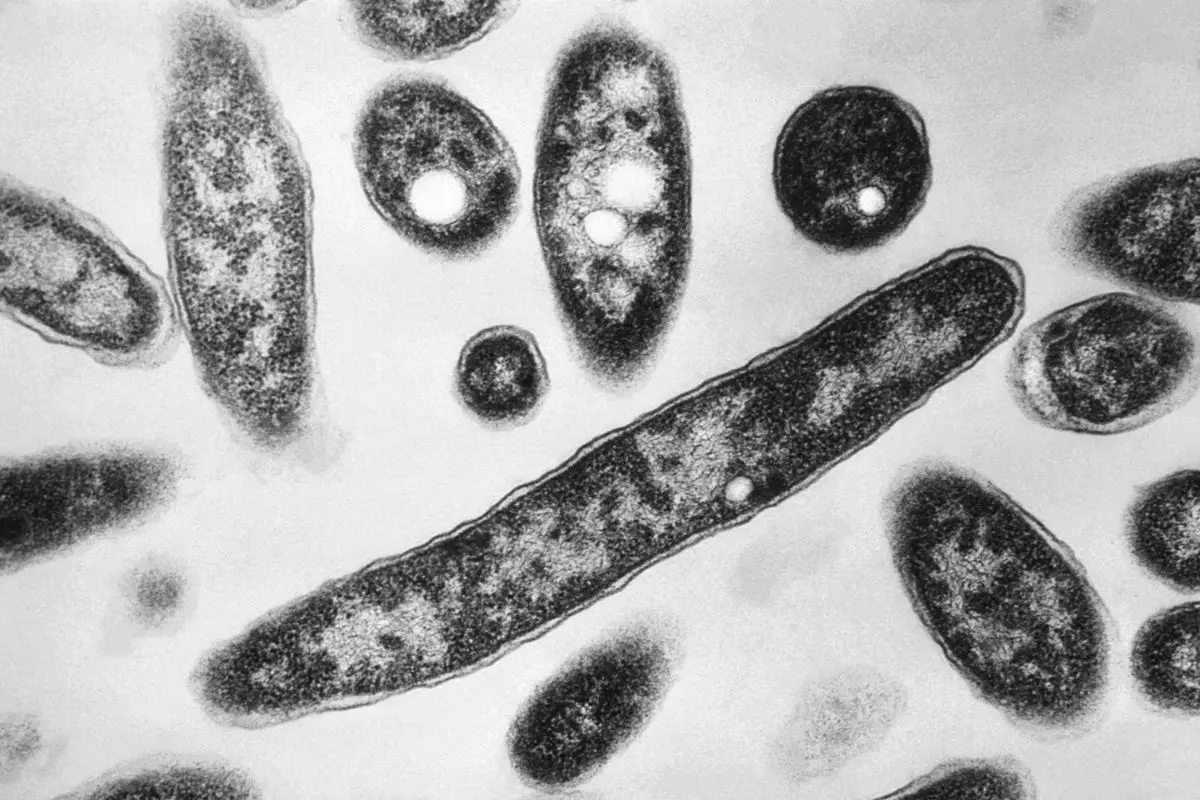
An outbreak of Legionnaires’ disease in New York City has left three people dead and at least 67 others ill since the end of July, health authorities confirmed.
The city’s Department of Health traced the outbreak to cooling towers in the Central Harlem area. These towers, which help regulate building temperatures by using water and fans, initially tested positive for Legionella bacteria—a known cause of the illness. Officials said the affected systems have since been treated and cleaned.
Residents in the area who are experiencing flu-like symptoms—especially those over 50, smokers, or individuals with chronic lung conditions—are urged to seek medical attention immediately.
What is Legionnaires’ disease?
Legionnaires’ disease is a severe form of pneumonia triggered by Legionella bacteria, which thrive in warm water systems such as those found in cooling towers, hot tubs, showerheads, and plumbing systems in large buildings.
Unlike many other infections, Legionnaires' disease is not spread from person to person. Most people become infected by inhaling tiny water droplets (aerosols) containing the bacteria. In some cases, hospital patients have become infected through contaminated water or ice, and infants have been exposed during water births.
Symptoms and risks
The US Centers for Disease Control and Prevention notes that symptoms typically appear between two and 14 days after exposure. Common signs include a persistent cough, high fever, headaches, muscle pain, and difficulty breathing.
Prompt diagnosis and treatment with antibiotics are essential. Without early intervention, the illness can progress rapidly. According to the World Health Organization, complications may include respiratory failure, septic shock, kidney damage, or multi-organ failure.
How can it be prevented?
Building managers and those in charge of water systems play a key role in prevention. Regular disinfection of cooling towers, maintaining proper chlorine levels in spas and pools, and flushing unused water outlets weekly are all recommended measures to keep bacteria at bay.
At home, individuals can also lower their risk. New York state health officials advise draining outdoor hoses, regularly cleaning and changing water filters, monitoring chlorine in pools and hot tubs, and flushing hot water heaters twice a year.
(With inputs from AP)