War heats up: Drone strike triggers massive fire at Kuwait’s key refinery
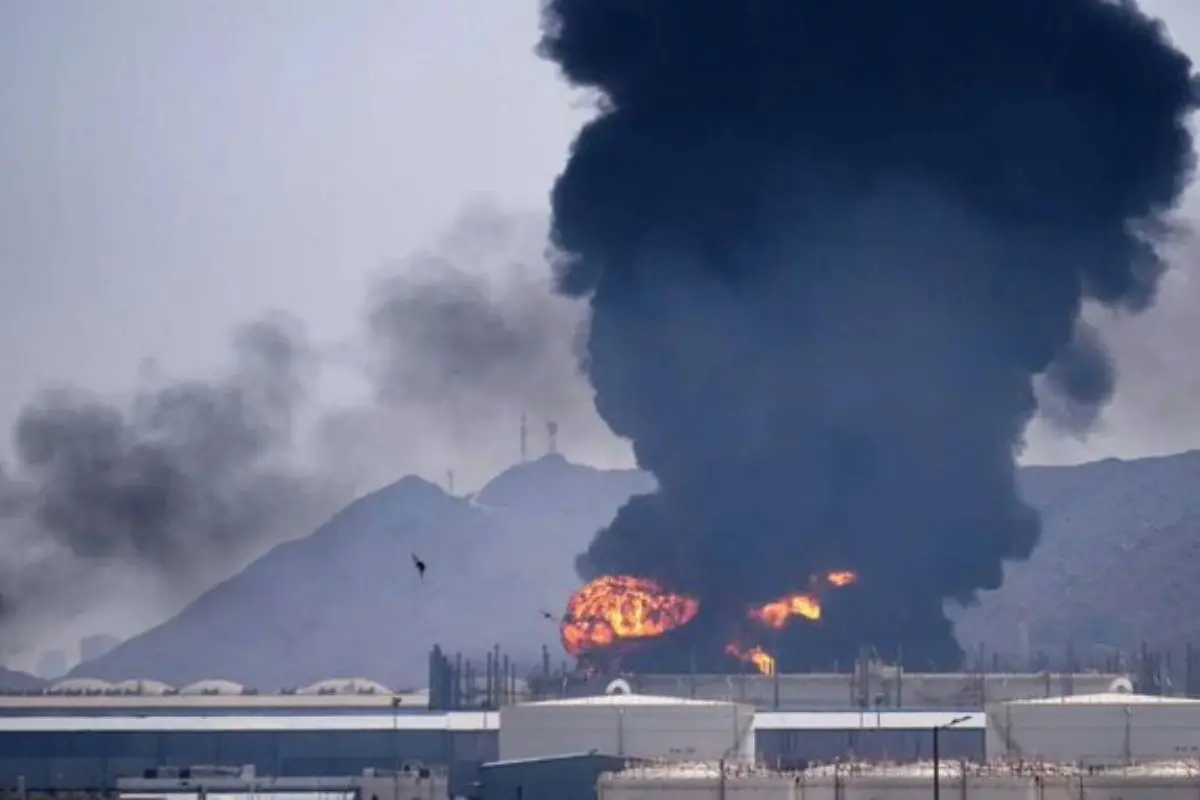
A fresh escalation in the ongoing US-Iran conflict was witnessed on Friday after a drone strike hit Kuwait’s strategically crucial Mina Al-Ahmadi oil refinery, triggering multiple fires and raising concerns over the security of global energy infrastructure.
According to Kuwait Petroleum Corporation (KPC), the attack took place early in the morning, with drones striking several operational units inside the refinery complex.
The impact led to fires breaking out across parts of the facility, prompting an immediate emergency response. Firefighting teams were deployed swiftly and worked to contain the blaze and prevent further damage.
Authorities confirmed that no casualties or injuries were reported, and precautionary measures were implemented to ensure the safety of workers at the site.
However, the extent of material damage remains unclear, with officials yet to release a detailed assessment.
The Mina Al-Ahmadi refinery is one of Kuwait’s largest and most vital oil processing facilities, making it a high-value target amid intensifying hostilities in the Gulf.
The attack underscores the growing vulnerability of energy infrastructure as the conflict between Iran, the United States, and its allies widens across the region.
Reports indicate that the strike is part of a broader wave of Iranian drone operations targeting key oil and energy assets in Gulf countries.
Kuwait has faced repeated attacks on its infrastructure since the war began, with similar incidents reported in recent weeks.
The drone strike comes at a time when tensions in the Middle East are already at a boiling point. The US has ramped up its military campaign against Iranian infrastructure, while Tehran has retaliated with strikes across multiple countries, including attacks on shipping routes and oil facilities.
The widening conflict has also begun to impact global oil markets. Analysts warn that continued attacks on key refineries and shipping lanes, particularly around the Strait of Hormuz, could severely disrupt supply chains and push energy prices higher.
As geopolitical risks mount, international pressure is growing for de-escalation. However, with both sides intensifying military operations and targeting critical infrastructure, fears of a prolonged and wider regional war continue to rise.