A beach paradise in a closed country? What foreigners need to know about North Korea’s grand resort
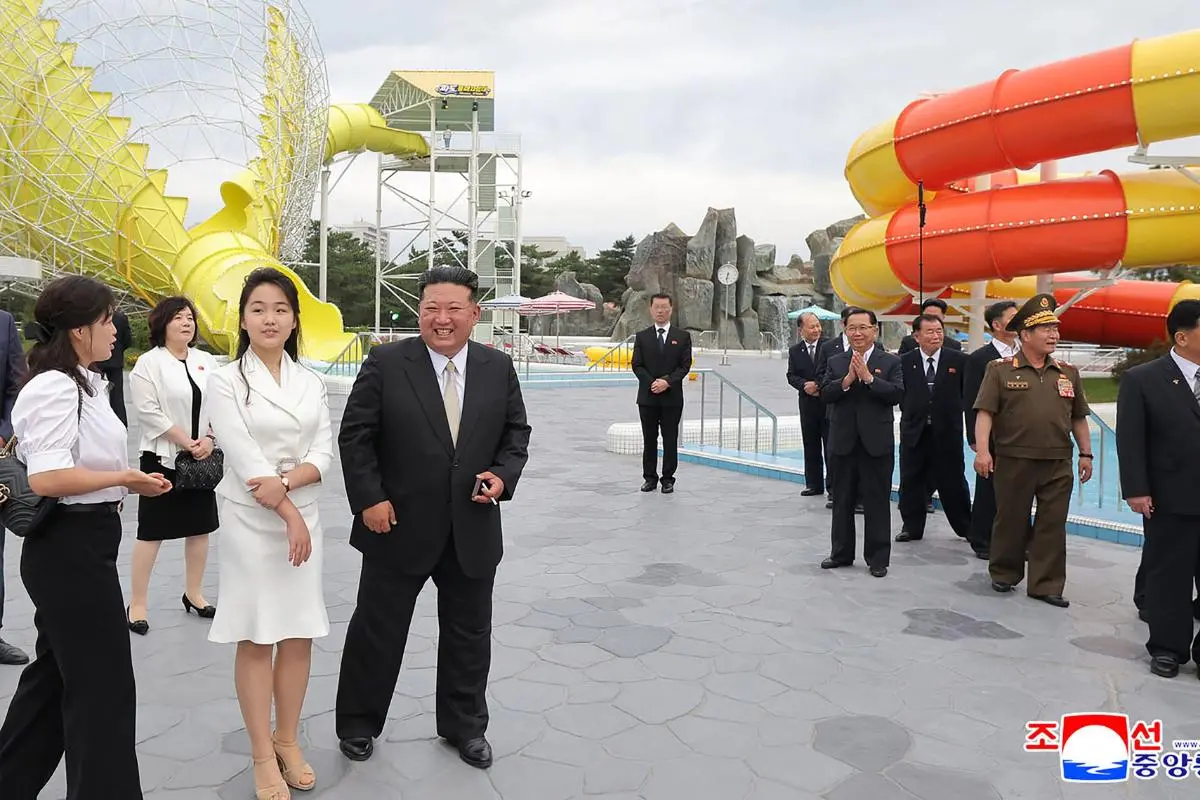
In a bold attempt to revive tourism and flaunt development amid deepening international sanctions and internal hardship, North Korean leader Kim Jong Un has inaugurated a sprawling seaside resort on the country’s eastern coast. Described by state media as a “national treasure-level tourism city,” the Wonsan-Kalma Coastal Tourist Zone is now the largest such project ever launched in the reclusive state.
Kim, accompanied by his wife Ri Sol Ju and daughter Kim Ju Ae, believed by many to be his heir apparent, personally cut the ribbon on June 24 during a grand ceremony. The event was attended by top officials and Russia’s ambassador.
The launch ceremony for the Kalma resort featured Russia’s ambassador and embassy staff but no visible representation from China, North Korea’s primary trade partner and former tourism benefactor. Analysts believe current tensions between Beijing and Pyongyang may be holding up Chinese tourist access, a crucial segment, as Chinese nationals accounted for more than 90% of pre-pandemic tourism to North Korea.
When was the plan laid out?
The Kalma resort project was first unveiled in 2013 as part of Kim's plan to transform the historic port city of Wonsan into a leisure and economic hub. Its construction faced repeated delays due to COVID-19 restrictions and mounting sanctions over Pyongyang’s nuclear and missile programmes. Despite setbacks, Kim remained closely involved, reportedly visiting the site seven times to offer “on-the-spot guidance” and push for “world-class” standards.
In a statement published by KCNA, Kim said the project’s completion would be remembered as “one of the greatest successes this year” and described it as “the proud first step” in the country’s long-term tourism development strategy.
Restrictions on tourists
North Korea has yet to fully reopen to global travellers since its COVID-19 border closures in early 2020. So far, only small numbers of Russian nationals have been granted access. In February 2024, a select group of international tourists visited for the first time in five years. However, by March, travel agencies confirmed all tours were again paused, suggesting North Korea is moving cautiously with reopening.
Even before the pandemic, foreign tourism to North Korea was highly restricted and heavily monitored. Russian tourists who visited previous sites like the Masikryong Ski Resort described being prohibited from taking photos freely and were required to attend staged cultural performances, including choreographed dances by schoolchildren.
Tourism opening starts with Russia
Beginning July 7, Russian travel agency Vostok Intur will lead three organised tours to the Wonsan-Kalma resort, with packages priced around $1,840. The itinerary includes four nights at the resort, visits to Masikryong Ski Resort, and stops in Pyongyang. The tours are being promoted amid a broader tightening of ties between Pyongyang and Moscow, with North Korea now openly supporting Russia’s war effort in Ukraine in exchange for military and economic assistance.
While the grand opening is being celebrated at home as a triumph, international experts remain sceptical. Volker Türk, the UN’s top human rights official, had previously said North Korea offers “a stifling, claustrophobic environment, where life is a daily struggle devoid of hope.”
Features of Kalma resort
According to NK News, an official guide map displayed at the resort’s entrance reveals that the Wonsan-Kalma beach zone stretches over 5 kilometres and includes a total of 54 hotels. The complex features both an outdoor and an indoor waterpark, a minigolf course, and a movie theatre. Guests will also find dozens of restaurants, five beer pubs, two video game arcades, multiple shopping malls, and several cafés. Designed to host up to 20,000 visitors at full capacity, the resort is strategically located next to the newly constructed Kalma Train Station and sits adjacent to Kalma International Airport — a clear signal of Pyongyang’s long-term intention to attract foreign tourists and boost its foreign currency reserves.
Tight control, familiar questions
The new development bears striking similarity to North Korea’s previous ventures into tourism, particularly the Mount Kumgang project launched in the late 1990s. That inter-Korean initiative allowed nearly two million South Koreans to visit North Korea over a decade, offering a rare period of civilian exchange between the two nations.
However, the project collapsed in 2008 after a North Korean soldier shot and killed a South Korean tourist who had strayed into a restricted military zone. In 2022, the North demolished many of the remaining South Korean-built facilities at the site, with Kim calling them “shabby” and “backward.”
Despite new branding and infrastructure, the Kalma resort reopens old questions: Who will be allowed in? Will tourism be transparent or tightly choreographed? And can it offer North Korea a meaningful economic return in the face of crippling sanctions?
(With inputs from AP)