‘Miracles’ and controversies: Key moments in Notre Dame's 5-year reconstruction
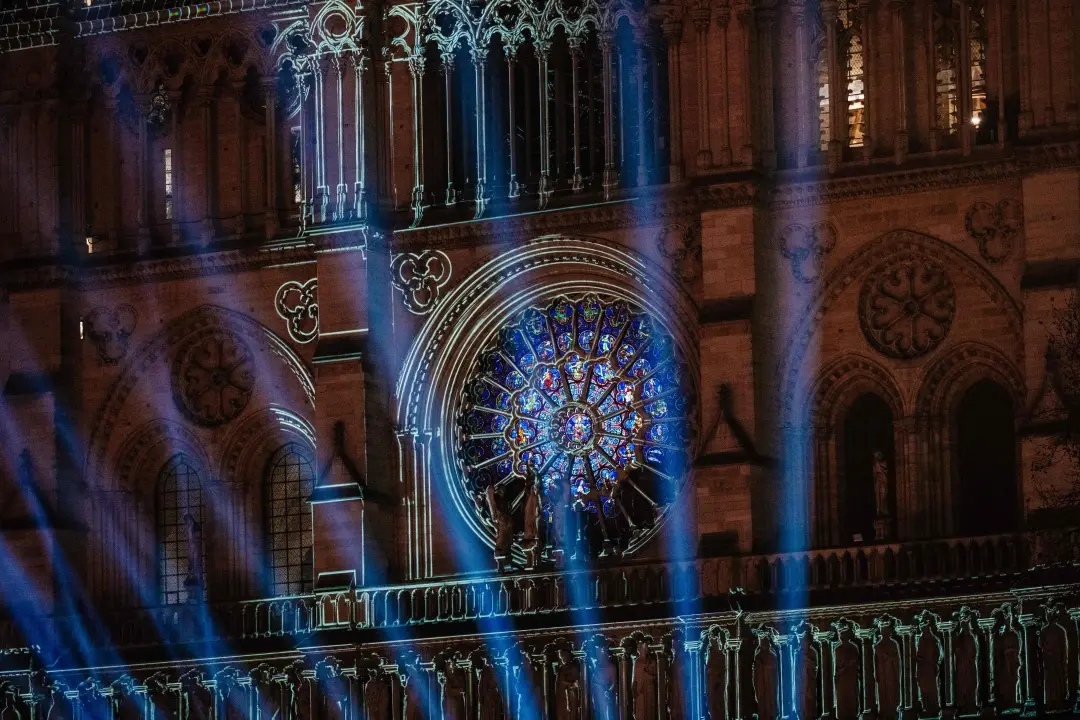
Paris: The reconstruction of Notre Dame Cathedral in Paris, following the devastating fire of April 2019, has been marked by extraordinary recoveries and ongoing controversies. As the cathedral prepares for its official reopening on Saturday, here’s a look at some of the most significant moments during the five-year restoration process.
Paris firefighters’ heroic efforts
On the evening of April 15, 2019, Paris firefighters received widespread praise for their quick and decisive actions. Firefighters later revealed they were only 30 minutes away from witnessing the collapse of the cathedral. Despite battling thick smoke and falling debris, they formed a human chain with church officials to evacuate precious artifacts and religious treasures, preserving much of the cathedral’s irreplaceable contents.
Miraculous survivals and symbol of hope
Amid the devastation, some believed divine intervention played a role in the survival of certain artifacts. A copper rooster statue, which had been perched atop the cathedral's incinerated 19th-century spire, was found intact among the scorched rubble. The relics inside the statue, including a piece of the Crown of Thorns worn by Jesus before his crucifixion, also survived the blaze. Today, the rooster stands in a Paris museum as a symbol of resilience.
Inside the cathedral, a giant gold cross on the altar remained standing amidst the smoldering ruins. This image, captured the day after the fire, became a symbol of hope for Christians and the French public during a dark time.
Macron’s vision sparks controversy
French President Emmanuel Macron initially described the fire as an opportunity for national unity. However, his suggestion to incorporate “an element of modern architecture” into the cathedral’s restoration faced swift backlash from conservatives. They argued that the reconstruction should remain faithful to the last major update made by architect Eugene Viollet-le-Duc in 1844. This disagreement led to public tensions, including a fallout between the general in charge of the rebuild and the lead architect. One suggestion shown by First Lady Brigitte Macron to then-culture minister Roselyne Bachelot resembled a "phallus with its base surrounded with golden balls," Bachelot wrote in a book.
While the controversial idea of modern architecture was rejected, a replica of the original spire was constructed. Six new stained-glass windows featuring contemporary artists’ work will be installed as a nod to Macron’s vision, striking a balance between tradition and modernity.
Lead contamination and health concerns
The fire caused significant damage to Notre Dame’s roof and spire, which were covered in approximately 400 tonnes of lead. The intense heat melted the lead, causing it to vaporize and potentially pollute the surrounding area. Authorities were forced to clean nearby schools and advise local residents to wipe surfaces to prevent lead poisoning.
In 2022, a health charity, along with parents and a union, filed a criminal complaint, accusing authorities of failing to take adequate precautions against the contamination. An investigation is underway to determine whether negligence occurred, with charges possible if any party is found responsible for the health risks to residents and workers.
Cause of the fire and ongoing investigations
While some workers renovating the roof were known to have smoked on-site, the exact cause of the fire remains uncertain. French authorities believe the fire was likely caused by an electrical fault or a discarded cigarette. Speculation about an arson attack was investigated over the five-year period, but no evidence was found to support this theory.
The current chief Paris prosecutor Laure Beccuau said in April that "the closer we have got to the spot the fire started, and the more results of analyses come back, the more weight is lent to the theory of an accident."
Future of Notre Dame: Entry fee proposed
Culture Minister Rachida Dati has proposed a five-euro entry fee for visitors to the newly restored Notre Dame. The funds raised would go towards repairs for approximately 4,000 other churches in need across France. The suggestion has drawn comparisons to other major tourist sites like St. Paul’s Cathedral in London and Milan’s Duomo, which also charge admission.
But senior French church leaders have criticised the idea, with a senior bishop saying churches and cathedrals had "always been places open to all" and making money from visitors would be a "betrayal of their original vocation".
However, as Notre Dame is owned by the French state, it will have the final say on the proposal.
Agency