Waste collection delays leave Karachi buried in garbage after Eid al-Adha
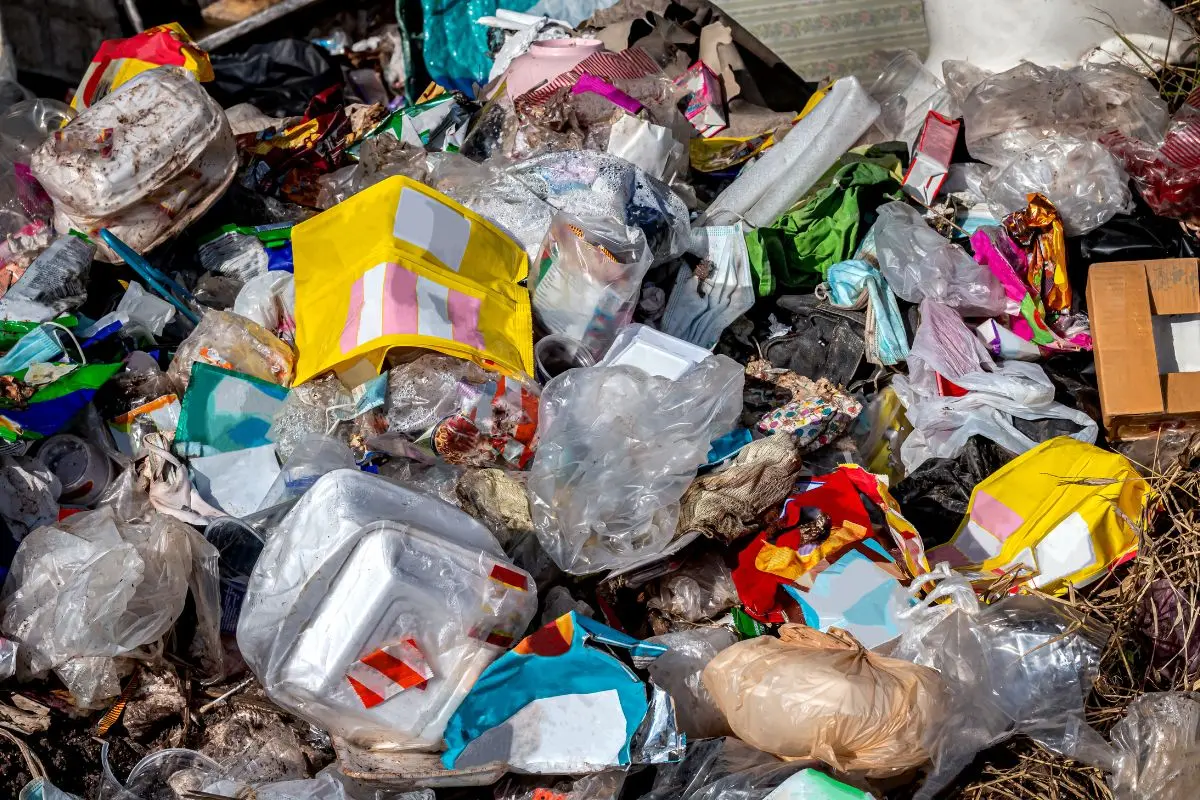
Sanitation conditions across several parts of Pakistan's Karachi remain poor more than a week after Eid al-Adha, with animal waste and household garbage still lying uncollected in many neighborhoods, raising fresh concerns over public health and disease outbreaks.
According to local media reports, waste collection vehicles have failed to clear garbage from multiple areas even seven days after the festival. The lack of disinfectant spraying and lime treatment has further worsened conditions, with residents reporting foul odors and growing hygiene concerns.
Areas including Pir Colony, FC Area, Liaquatabad No. 4, Dak Khana, Sindhi Hotel, Gulshan-e-Iqbal UCs 2 and 3, Soldier Bazaar, Garden, Old City Area, Landhi, Lyari, Malir, Korangi, Orangi Town, North Karachi and New Karachi continue to face severe waste management problems.
Large heaps of garbage have accumulated across the city, with some residents describing the situation as “mountains of garbage.” The problem is particularly severe in Pir Colony, where a dumping site established by the Sindh Solid Waste Management Board (SSWMB) for sacrificial animal waste remains clogged with both animal remains and regular household garbage.
According to The Express Tribune, residents said SSWMB staff were absent during the first two days of Eid, allowing waste to pile up across the locality. Although some cleanup work was carried out on the third day when collection vehicles arrived, household waste has continued to accumulate due to irregular garbage collection.
People living in Soldier Bazaar and Garden reported a similar situation, claiming sanitation workers visited only during the initial days of Eid before disappearing, leaving large quantities of waste unattended.
Why is Karachi's sanitation crisis becoming a major concern?
The prolonged accumulation of animal remains and household garbage has increased fears of infectious diseases, especially amid hot weather conditions. Residents have expressed concern over the absence of proper sanitation measures, warning that delays in waste removal could pose serious health risks.
The sanitation crisis comes as Karachi is simultaneously grappling with an ongoing water shortage, compounding difficulties for residents already struggling with basic civic services.
What is causing Karachi's water supply disruption?
Karachi has also been facing a worsening water crisis, with supply disruptions linked to faults in K-Electric's power infrastructure. Local reports said water supply remained suspended for three consecutive days due to failures affecting key pumping stations.
The Karachi Water and Sewerage Corporation (KWSC) stated that power outages caused a daily shortfall of approximately 85 million gallons of water, significantly affecting supply across the city.
The latest disruption follows a forced shutdown carried out by K-Electric on May 30 at the Dhabeji Grid to repair a major transformer fault. The shutdown affected 10 of the 21 pumping units at the Dhabeji Pumping Station, reducing water distribution to several localities.
The situation worsened further after a fault in K-Electric’s main supply cable triggered outages at the North East Karachi Water Pumping Station and later affected the Hub Pumping Station, disrupting water flow to multiple areas.
The power-related failures have intensified a water crisis that residents say has persisted for nearly two months. With supplies remaining unreliable, many households have been forced to rely on private water tankers. However, limited availability and rising demand have reportedly doubled tanker prices, while some residents face waiting periods of up to 10 days to secure water deliveries.
With IANS inputs