‘Bad for my skin’: Japan PM admits sleeping just 2–4 hours as work culture debate grows
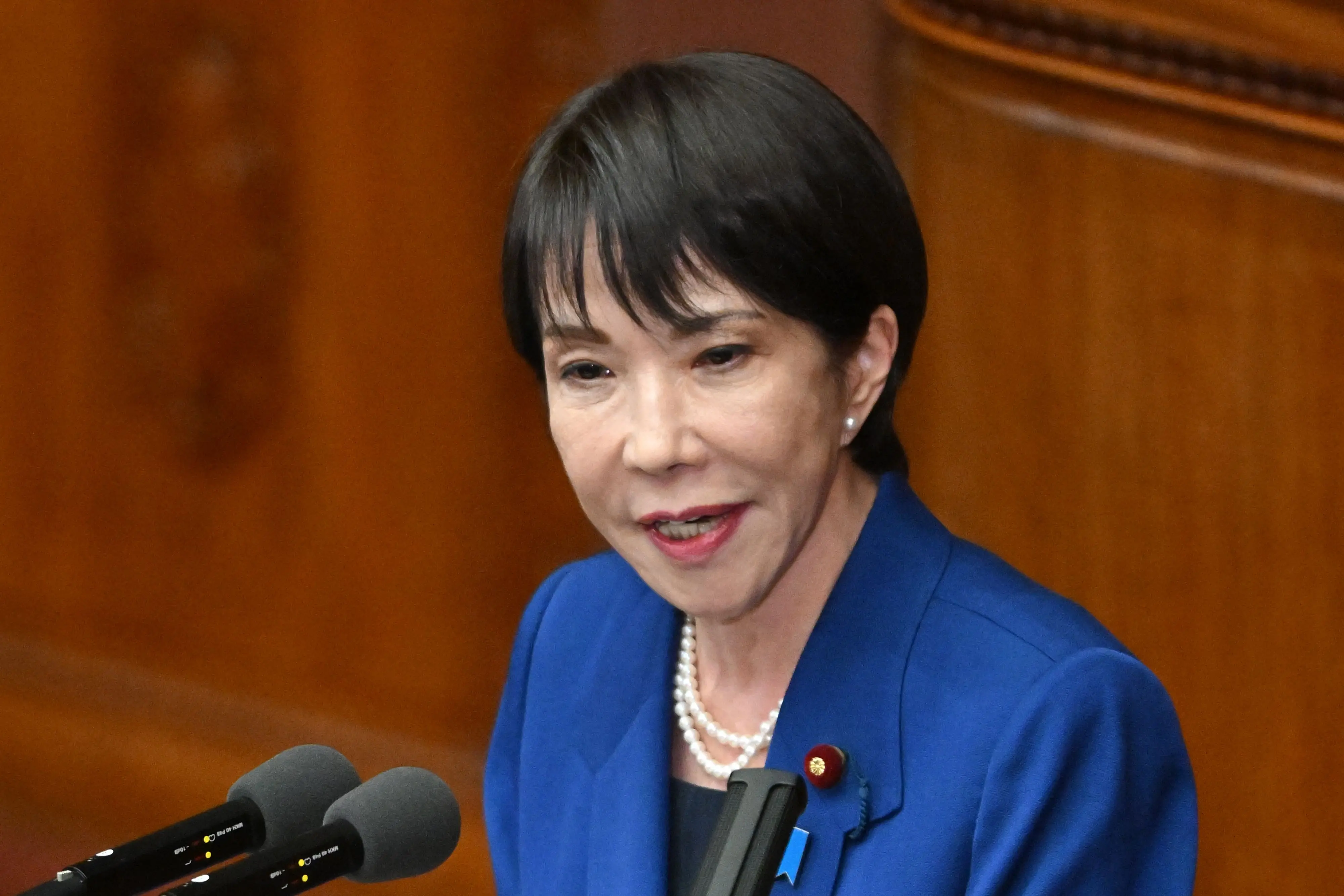
Japan’s elected Prime Minister Sanae Takaichi has sparked fresh debate over the country’s work culture after revealing that she sleeps only two to four hours a night. The comment came just days after she drew criticism for holding a 3 am staff meeting to prepare for a parliamentary session.
Speaking before a legislative committee, Takaichi admitted, "I sleep about two hours now, four hours at the longest. I feel it's bad for my skin," while being questioned about Japan’s long-standing struggle with excessive work hours.
Japan’s overwork crisis back in spotlight
Japan is known for its intense work culture, even having a word — “karoshi”, meaning death from overwork. Takaichi’s remarks have reignited concerns at a time when the country is trying to improve work-life balance.
The prime minister was also pressed to explain her government’s discussions on raising the upper limit on overtime work to boost economic growth. She defended the proposal, noting that workers and companies have different needs like some people rely on multiple jobs to support themselves and many companies enforce strict limits on paid overtime.
Takaichi said any policy change would include protections for workers’ health and wellbeing.
Ideal to let people balance work and family
She emphasized the goal of creating a society where people can manage childcare, caregiving, work, and leisure according to their needs.
"Indeed, if we can create a situation where people can properly balance childcare and caregiving responsibilities according to their wishes, and also being able to work, enjoy leisure time, and relax -- that would be ideal," she said.
First woman PM, intense schedule
Takaichi became Japan’s first female prime minister last month after leading the Liberal Democratic Party to victory. She previously vowed to push herself to the limit, saying she would “discard the term work-life balance” and simply “work, work, work.”
Since taking office, she has maintained a packed schedule, including regional visits and high-level meetings with US President Donald Trump, China’s President Xi Jinping, and South Korea’s President Lee Jae-myung.