Mt. Fuji finally gets Snowcap, setting record for most-delayed snowfall in 130 years
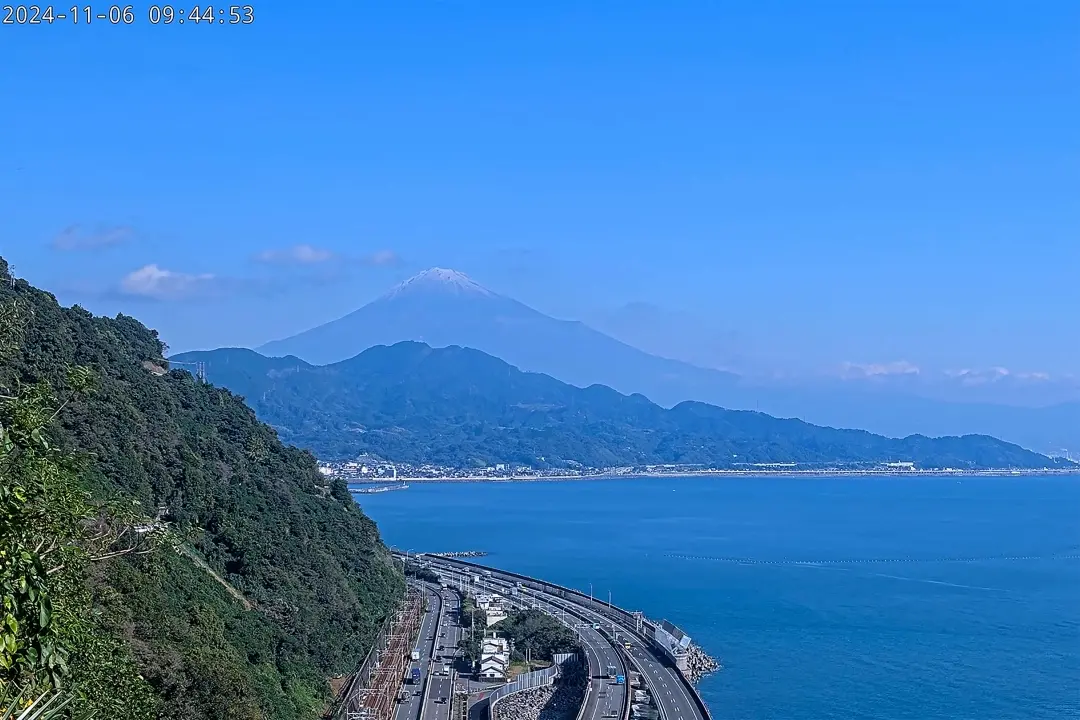
Tokyo: Japan’s Mount Fuji finally received its famous snowcap early Wednesday morning, marking an exceptionally late start to its winter season. The snow on Fuji’s summit was spotted from the southwestern side of the mountain, according to the Shizuoka branch of the Japan Meteorological Agency (JMA).
However, due to cloudy conditions, the Kofu Local Meteorological Office, which has officially tracked snow on Mt. Fuji since 1984, has yet to confirm it—leaving the snowfall unofficial for now.
This marks the latest snowcap in over a century, shattering the previous record from October 26, 2016, as the typical first snowfall usually falls around October 2.
Social media reacts to snowless Fuji
The sight of a snow-free Mt. Fuji throughout October captured widespread attention on social media. Many people posted photos of the mountain’s bare peak, with reactions ranging from surprise to concern over possible climate change impacts.
“We’ve received so many inquiries from people waiting to see the snowcap,” said Shizuoka’s JMA official, Shigeru Kiryu.
Meteorologists have pointed to unseasonably warm weather as the likely cause. October’s temperature at the summit typically averages -2°C (28.4°F), but this year’s October summit temperature reached a record high of 1.6°C (34.9°F)—the highest since 1932.
A potential warning for Japan’s winter sports?
Jun Kubota, a weather forecaster and avid climber who grew up near Mt. Fuji, says he worries the delayed snowfall might be part of a broader trend.
“I wonder if the season we enjoy snow is getting shorter, not just on Fuji but also on mountains across Japan,” Kubota said.
In recent years, ski resorts have faced challenges with limited snowfall, particularly in central Japan and Hokkaido.
“Reduced snowfall could impact more than just mountain climbing,” Kubota added. “Winter sports and snow-based tourism in general might suffer if this becomes a lasting trend.”
Fuji’s iconic role and the challenge of overtourism
Fuji, known as “Fujisan” in Japan, holds deep cultural and historical significance. Once a revered site of pilgrimage, its picturesque, snow-topped slopes have inspired countless artworks, including Katsushika Hokusai’s iconic 'Thirty-six Views of Mount Fuji.'
The mountain continues to draw hikers and tourists year-round, but increased foot traffic has led to environmental issues. Tons of trash left behind and overcrowding have prompted calls for more sustainable tourism practices.
Climate change or a seasonal fluke?
Although the unusual delay in snow might hint at shifting climate patterns, experts are cautious about drawing conclusions.
“It’s too early to definitively link this to global warming,” said Kiryu, adding that longer-term data is needed. Last year, Fuji’s first snowcap arrived in early October, indicating that fluctuations may still be within natural variability.