Israel hits Iran nuclear sites; Tehran strikes back, injures US troops in Saudi base attack
Tensions in the Middle East escalated sharply after Israel launched airstrikes targeting key nuclear facilities in Iran, prompting swift retaliation from Tehran and raising fears of a wider regional conflict.
According to Iranian state media, two major sites- the Shahid Khondab Heavy Water Complex in Arak and a yellowcake production plant in Yazd province- were hit in the strikes. While Iranian authorities reported no casualties or radiation leaks, Israel claimed the attack dealt a significant blow to Iran’s nuclear capabilities.
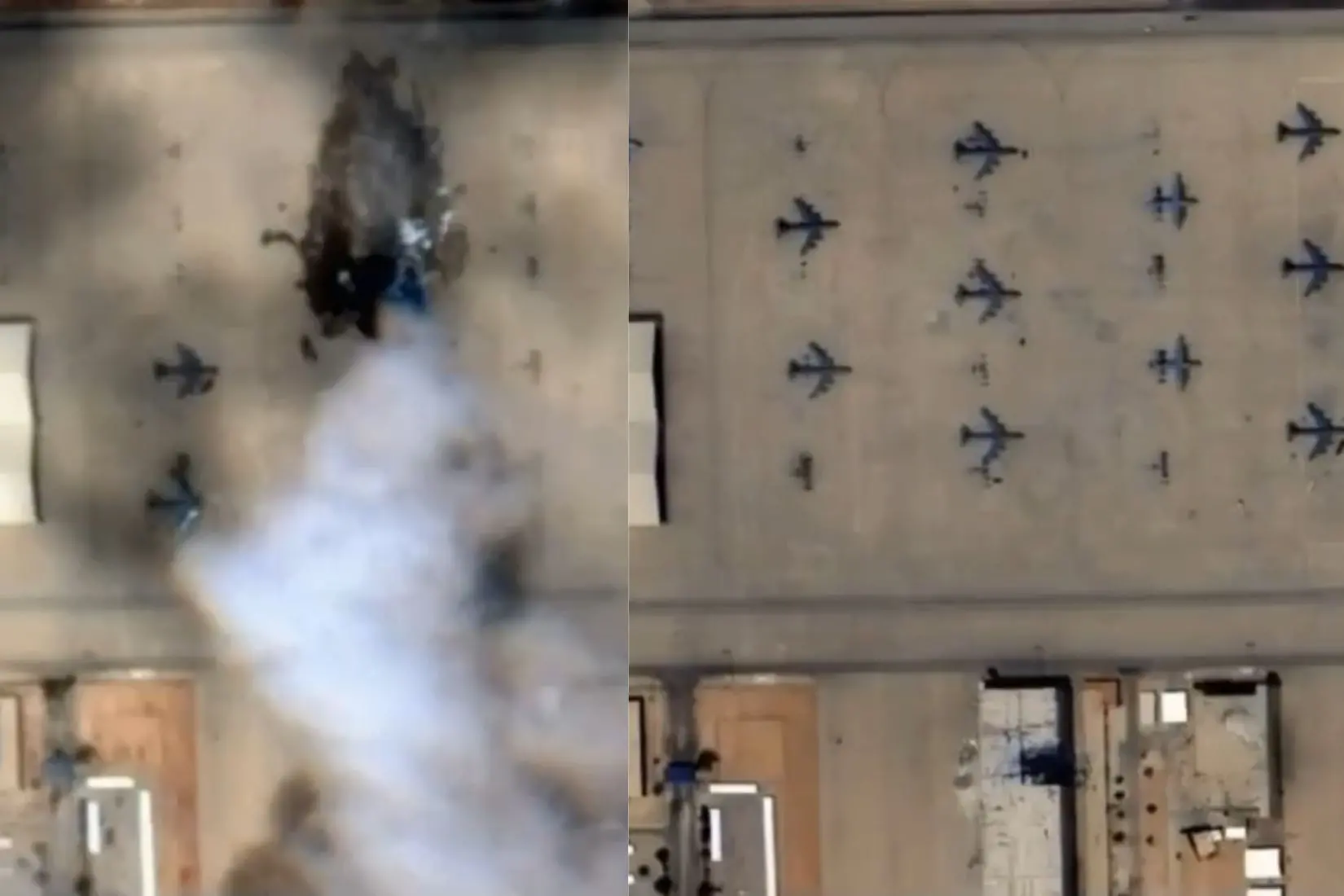
In response, Iran launched a missile attack on Prince Sultan Air Base in Saudi Arabia, wounding at least 10 American service members. Two of the injured are reported to be in serious condition. The strike also caused damage to several refueling aircraft stationed at the base.
Iran’s Foreign Minister, Abbas Araghchi, warned that Israel would pay a “heavy price” for the attacks, signalling the potential for further escalation.
Strait of Hormuz agreement offers rare relief
Despite the intensifying conflict, a potential breakthrough emerged as Iran agreed to allow humanitarian aid and agricultural shipments through the strategically vital Strait of Hormuz.
Iran’s ambassador to the United Nations in Geneva, Ali Bahreini, confirmed the move, stating that Tehran would “facilitate and expedite” essential shipments. The agreement follows pressure from the United Nations, which recently formed a task force to address disruptions in global aid delivery.
The Strait of Hormuz is a critical global trade route, handling nearly 20% of the world’s oil supply and a significant portion of fertilizer shipments. Disruptions have already raised concerns about global energy markets and food security.
Rising global economic impact
The ongoing conflict has rattled financial markets worldwide. US stock indices, including the S&P 500, Dow Jones Industrial Average, and Nasdaq Composite, all declined sharply, marking their worst week since the conflict began.
Meanwhile, crude oil prices surged, pushing US gasoline prices close to $4 per gallon and intensifying calls from lawmakers to suspend federal fuel taxes.
Trump pushes for diplomacy amid escalation
Speaking at an event in Miami, U.S. President Donald Trump said efforts to end the conflict were “going very well” and reiterated his push for normalisation between Israel and Saudi Arabia under the Abraham Accords framework.
However, diplomatic progress remains uncertain. Iran has denied engaging in negotiations and rejected a U.S.-backed ceasefire proposal delivered through intermediaries, including Pakistan. Tehran instead presented its own conditions, demanding reparations and recognition of its sovereignty over the Strait of Hormuz.
Trump has warned that if Iran does not fully reopen the strait by April 6, the U.S. could target Iran’s energy infrastructure.
The conflict continues to spread beyond Iran and Israel:
- Air raid sirens sounded across southern Israel, including near Be’er Sheva, as Iranian missiles targeted key areas.
- Saudi Arabia intercepted drones and missiles aimed at Riyadh.
- Kuwait reported damage to major ports, including projects linked to China’s Belt and Road Initiative.
- Israel expanded ground operations into southern Lebanon, targeting Hezbollah positions.
The US has also increased its military presence in the region, deploying Marines and paratroopers to bolster readiness amid growing instability.
Mounting humanitarian crisis
The human toll of the conflict continues to rise. According to the International Organization for Migration, over 82,000 civilian buildings in Iran have been damaged, affecting around 180,000 people.
Casualty figures across the region are mounting:
- Over 1,900 people killed in Iran
- More than 1,000 deaths reported in Lebanon
- 18 fatalities in Israel
- At least 13 US troops killed
Additional casualties reported in Iraq, the West Bank, and Gulf states
Jan Egeland of the Norwegian Refugee Council warned that the situation could deteriorate further, stating that millions may be forced to flee if the conflict continues.