'Over the horizon': How Israel used air-launched missiles to attack Hamas leaders in Qatar
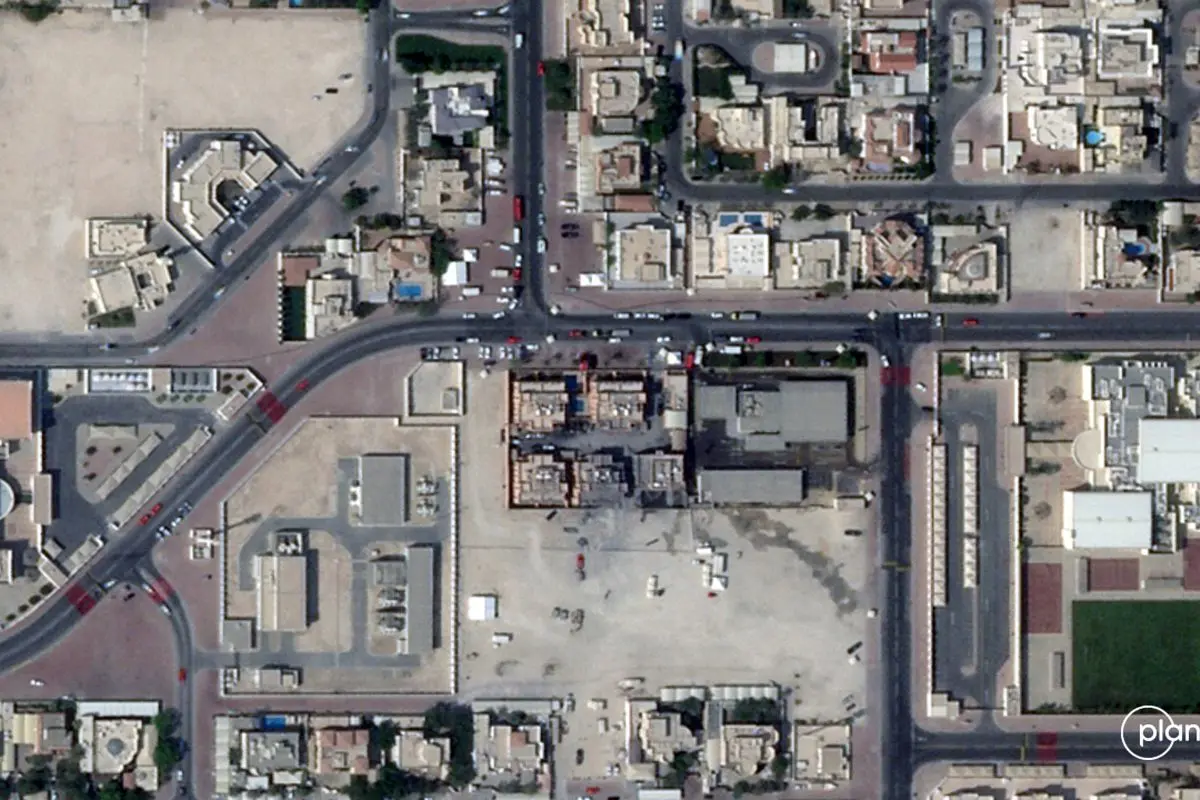
Dubai: Israeli fighter jets launched ballistic missiles over the Red Sea last week, targeting Hamas leaders meeting in Qatar's capital, Doha, in an unprecedented attack confirmed by a U.S. defence official. The Sept. 9 strike killed six people and disrupted months of Qatar-mediated diplomacy toward a ceasefire in the devastating Israel-Hamas war. The attack was executed from outside Qatar's airspace, reportedly from over the Red Sea, using an "over the horizon" method to bypass regional air defences and avoid infringing on neighbouring countries’ sovereignty.
The missiles approached from a west-to-east trajectory, a direction not anticipated or monitored by Qatari and American air defence systems. Experts note that, even if detected, the Patriot batteries in Qatar would have been unable to intercept the missiles, which travel through space at hypersonic speeds. Sidharth Kaushal of the Royal United Services Institute observed, “We’re probably talking about a few minutes from fire to impact, so not long at all. Even if [Patriot batteries] did pick it up, interception would have been dumb luck at that point”.
The operation saw ten missiles launched by a strike force of Israeli F-15 and F-35 jets, aimed at a state-residential compound used by senior Hamas negotiators and family members. The primary targets included Khalil al-Hayya, Zaher Jabarin, Muhammad Ismail Darwish, and Khaled Mashal, who were meeting to discuss a ceasefire and hostage exchange. While these leaders survived, six were killed, including al-Hayya’s son, bodyguards, Qatari security personnel, and civilians, with others wounded.
These missiles were air-launched variants, likely Golden Horizon or the IS02 ROCKS, which became public after leaks of U.S. intelligence documents last year. The Sparrow missile, with options for inert warheads, could explain the limited collateral damage observed, as a nearby gas station was unaffected, while the main impact site was devastated. Such air-launched ballistic missiles are designed to fly into the upper atmosphere and return at multiple times the speed of sound. While Patriot batteries can't intercept at those altitudes, they could be countered by Qatar's recently purchased THAAD system, though it was not engaged during this strike.
The timing and means of the attack were important: Israel avoided violating Saudi airspace, supporting ongoing efforts for normalisation of relations, and achieved surprise by launching from an unexpected direction. The Wall Street Journal first reported Israel's use of this tactic, which mirrors Russian and Chinese practices in recent military operations to safeguard their own aircraft from advanced enemy air defences.
After the strike, Israel launched a ground offensive in Gaza City, reigniting regional tensions and fears among Gulf nations that they too could become targets. Qatar condemned the attack as a grave breach of sovereignty, while international organisations and regional alliances demanded accountability. American officials acknowledged giving Qatar a warning only after the missiles had struck, and the incident prompted emergency meetings and criticism from both the GCC and the UN Security Council.
With inputs from AP