Is Netanyahu running out of political support in Israel? Coalition crisis deepens
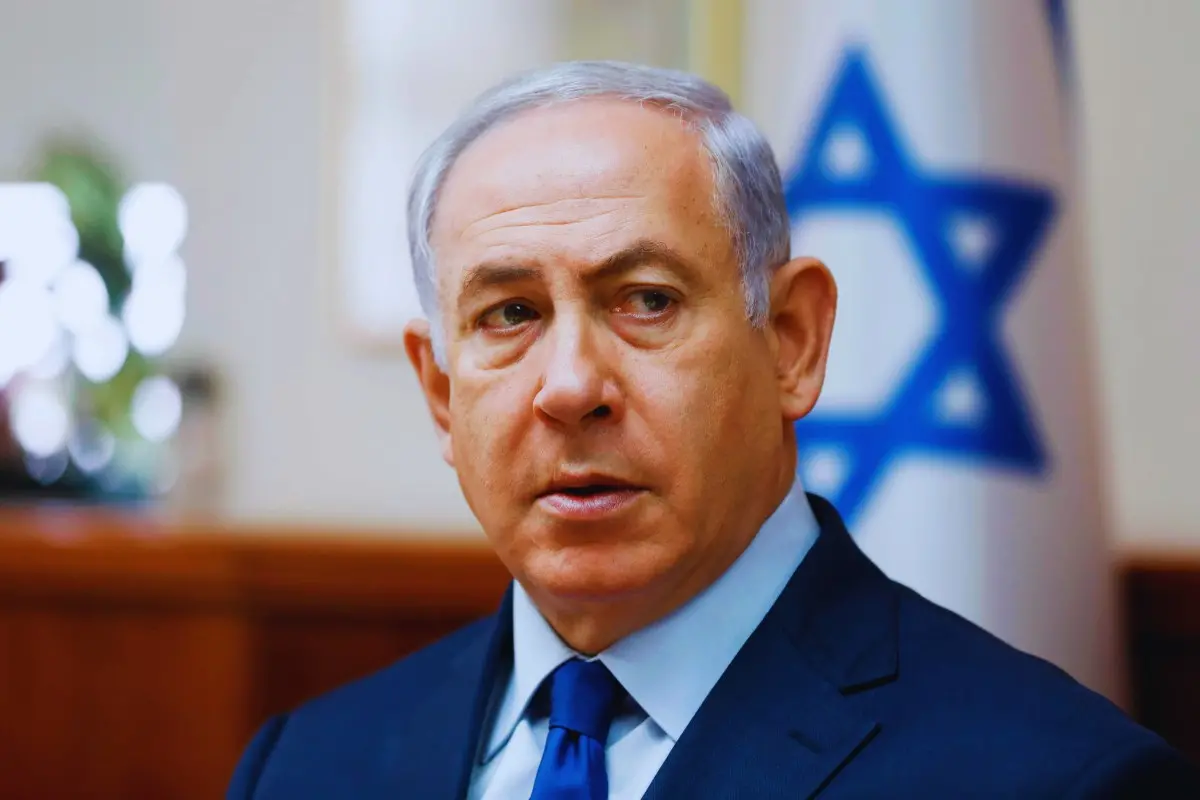
Jerusalem: Israeli lawmakers on Wednesday voted to move forward with a bill that could dissolve parliament and lead to early national elections, adding to the political uncertainty surrounding Prime Minister Benjamin Netanyahu and his fragile governing coalition.
The proposal, introduced by members of the ruling alliance, cleared its preliminary reading in the Knesset after receiving overwhelming support.
A total of 110 lawmakers backed the measure, while none voted against it. The remaining members abstained from voting.
Bill moves to next legislative stage
The legislation will now be examined by a parliamentary committee before returning for three additional readings required for final approval.
If ultimately passed, the dissolution of parliament would automatically trigger elections within 90 days.
Under the current schedule, Israel’s next general election is due to take place by October 27 at the end of the present legislative term.
Coalition under pressure
Netanyahu’s right-wing coalition has come under increasing strain in recent weeks, particularly from ultra-Orthodox allies dissatisfied with delays in passing legislation related to military exemptions.
The ultra-Orthodox parties have accused the prime minister of failing to honour commitments to permanently exempt young men studying in yeshivas, or Jewish religious seminaries, from compulsory military service.
Political analyst Myriam Shermer said the process could still change course if an exemption bill is approved before the legislation dissolving parliament is finalised.
“The dissolution of the Knesset, approved in a preliminary reading this Wednesday, could still be suspended if the exemption passed beforehand,” Shermer told.
She added that developments linked to regional security could also alter the political timetable.
“All of this could once again be turned upside down if military operations resumed in Iran, suspending the electoral calendar. But in the meantime, Benjamin Netanyahu's coalition seems to be seriously faltering,” she said.
Opposition sees opening
Sensing vulnerability within the government, opposition parties had already indicated earlier this month that they planned to submit their own proposals seeking the dissolution of parliament.
Coalition chairman Ofir Katz acknowledged the growing instability, saying the alliance had reached the end of its course.
“This coalition has completed its days,” Katz said.
At the same time, he defended the government’s legislative record, noting that it had passed nine budgets and 520 laws during its term.
The bill itself does not specify a date for elections. That decision is expected to be determined during committee discussions.
October 7 attacks expected to dominate campaign
Political observers believe the timing of any election could be shaped by public reaction to the October 7, 2023 Hamas attack on Israel.
Gideon Rahat, a political science professor at Hebrew University, said Netanyahu would likely prefer elections before the anniversary of the attacks.
“Netanyahu doesn't want elections to be close to October 7,” Rahat told.
“The agenda would be on his huge failure there, so he prefers to have it before.”
He added that Israel does not hold immediate snap elections and generally requires around three months of preparation time, making September a likely possibility if the bill advances.
Opposition leaders step up attacks
Opposition politicians have already begun framing the expected campaign around accountability for the Hamas attack and the government’s response.
Yair Golan, leader of the left-wing Democrats party, said on X that the coming vote would centre on the failures of the current administration.
“These are the October 7 elections, the elections in which the Israeli public will send home the government of negligence that brought upon us the greatest disaster in the state's history,” he wrote.
Former prime minister Naftali Bennett also sharpened his criticism of Netanyahu during a meeting of the opposition alliance Beyahad.
“I have two words to say to the outgoing prime minister: It’s over, you can let go,” Bennett said.
Opposition leader Yair Lapid declared that the election battle had effectively already started.
“The election campaign has begun today,” Lapid said.
“These will be elections to choose between hope and fear. Between those who serve and those who shirk, between integrity and corruption, between those who take responsibility and those who merely shift the blame onto others.”
Netanyahu eyes another term despite challenges
Netanyahu, who has served as Israel’s prime minister for more than 18 years across different terms since 1996, has confirmed that he intends to contest again despite ongoing political and legal troubles.
The 76-year-old leader is currently standing trial in a long-running corruption case. He also recently disclosed that he had undergone surgery for prostate cancer.
Many Israelis continue to hold Netanyahu responsible for the security breakdown that allowed the Hamas attack in 2023.
Despite the criticism, opinion polls suggest his Likud party remains narrowly ahead of rival blocs.
A recent survey published by Israeli public broadcaster KAN showed Likud leading slightly over Beyahad, the joint opposition alliance formed by Lapid and Bennett.
However, neither political camp currently appears capable of easily securing a parliamentary majority in Israel’s deeply divided political landscape.
Agency inputs