Iran’s strikes on Amazon data centres in Bahrain and UAE: What happened and why it matters
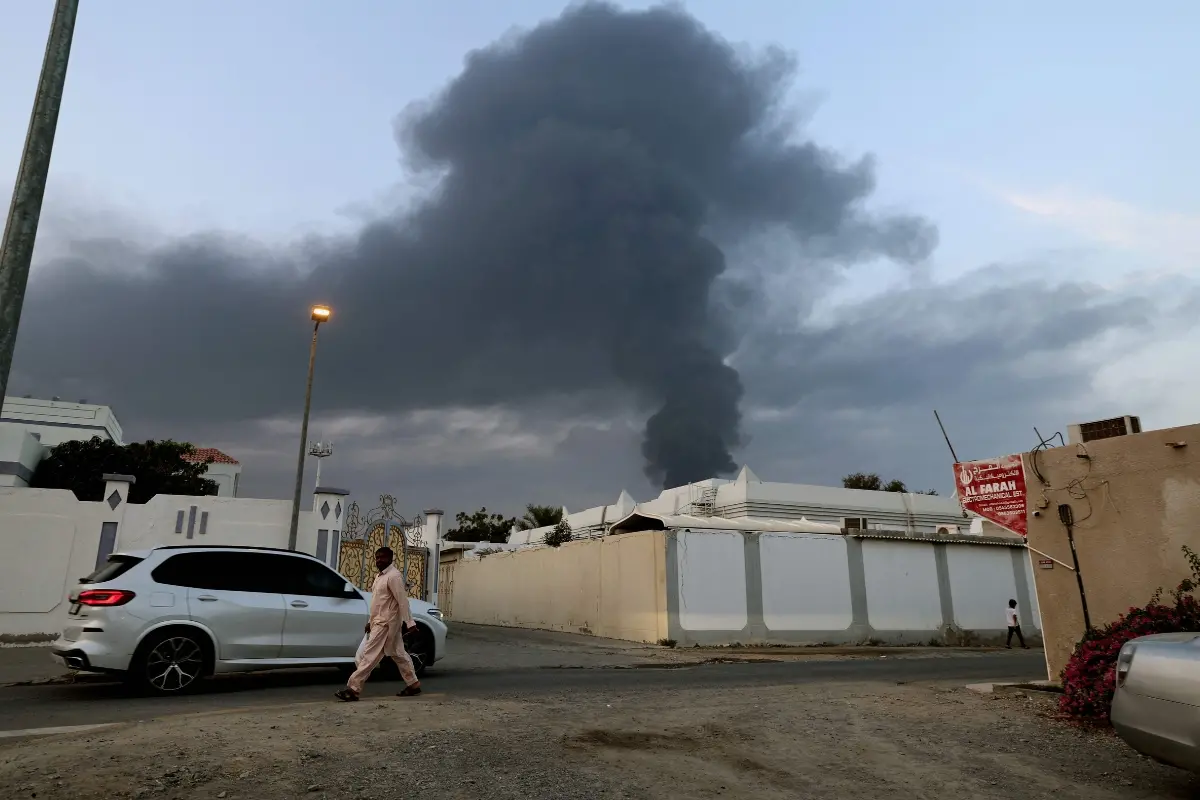
Reports of drone strikes on Amazon Web Services (AWS) data centres in the United Arab Emirates and Bahrain have drawn global attention to the vulnerability of digital infrastructure in modern conflicts.
The incidents, attributed to Iranian Shahed drones in multiple reports, are described as part of a broader escalation in the region. As cloud computing and artificial intelligence systems become increasingly central to both civilian services and government operations, the reported targeting of data centres has raised questions about how warfare is evolving and whether critical technological infrastructure is now part of the battlefield.
What happened in the reported strikes
In early March 2026, Iranian Shahed drones reportedly struck two Amazon Web Services (AWS) data centres in the United Arab Emirates, with another commercial data centre in Bahrain also being hit. These incidents are described as the first known cases of deliberate targeting of commercial data centres during a conflict.
Why data centres were targeted
Data centres form the backbone of modern cloud computing, hosting services used by governments, businesses, and civilians. Platforms like Amazon Web Services operate large-scale infrastructure that supports internet services, artificial intelligence systems, and data storage.
By targeting such facilities, an actor can potentially disrupt communication systems, financial services, and digital operations that rely on cloud infrastructure. Reports suggest the strikes may have been aimed at infrastructure perceived to support adversarial technological or intelligence capabilities, although the exact intent remains unverified.
Role of AI and cloud infrastructure in modern conflict
Artificial intelligence systems and cloud platforms are increasingly integrated into military and intelligence operations. Data centres host the computing power required for AI tools used in analysis, logistics, and decision-making.
Because many of these systems run on commercial cloud networks, damage to data centres can have broader implications beyond civilian services, potentially affecting systems used for defence-related functions as well.
Data centres support a wide range of essential services, including banking systems, streaming platforms, and government operations. Disruption to these facilities can lead to outages affecting multiple sectors simultaneously.
In previous incidents, attacks on infrastructure in the Gulf region have been linked to temporary disruptions in financial systems and other digital services, highlighting the interconnected nature of modern infrastructure.
Signals for future warfare
The reported strikes suggest that commercial digital infrastructure may increasingly be considered part of the strategic landscape in conflicts. While traditional military targets remain central, data centres represent a critical node in economic and technological systems.
However, analysts note that such strikes do not necessarily indicate a fundamental shift in warfare, as conventional weapons and targets remain dominant. Instead, they reflect the growing importance of technology infrastructure alongside traditional military assets.
Ongoing uncertainty and context
The full details of the incidents, including specific targeting decisions and the extent of damage, remain unclear. Conflicting reports and limited official confirmations mean that many aspects are still under investigation.
The situation highlights how modern conflicts may increasingly intersect with civilian technological infrastructure, particularly as reliance on cloud computing and AI systems continues to expand globally.