Strait of Hormuz breakthrough? Iran weighs opening Omani corridor to end maritime blockade
Dubai: Iran is weighing a proposal to permit unrestricted passage for vessels through the Omani sector of the Strait of Hormuz, provided a definitive agreement is reached with the United States to avert further military conflict, according to a source familiar with Tehran’s negotiating position.
The potential concession, reported exclusively by Reuters, emerges as the U.S.-Israeli conflict with Iran continues to cause the most significant disruption to global energy markets in history. The strait serves as a conduit for approximately 20% of the world’s petroleum and liquefied natural gas.
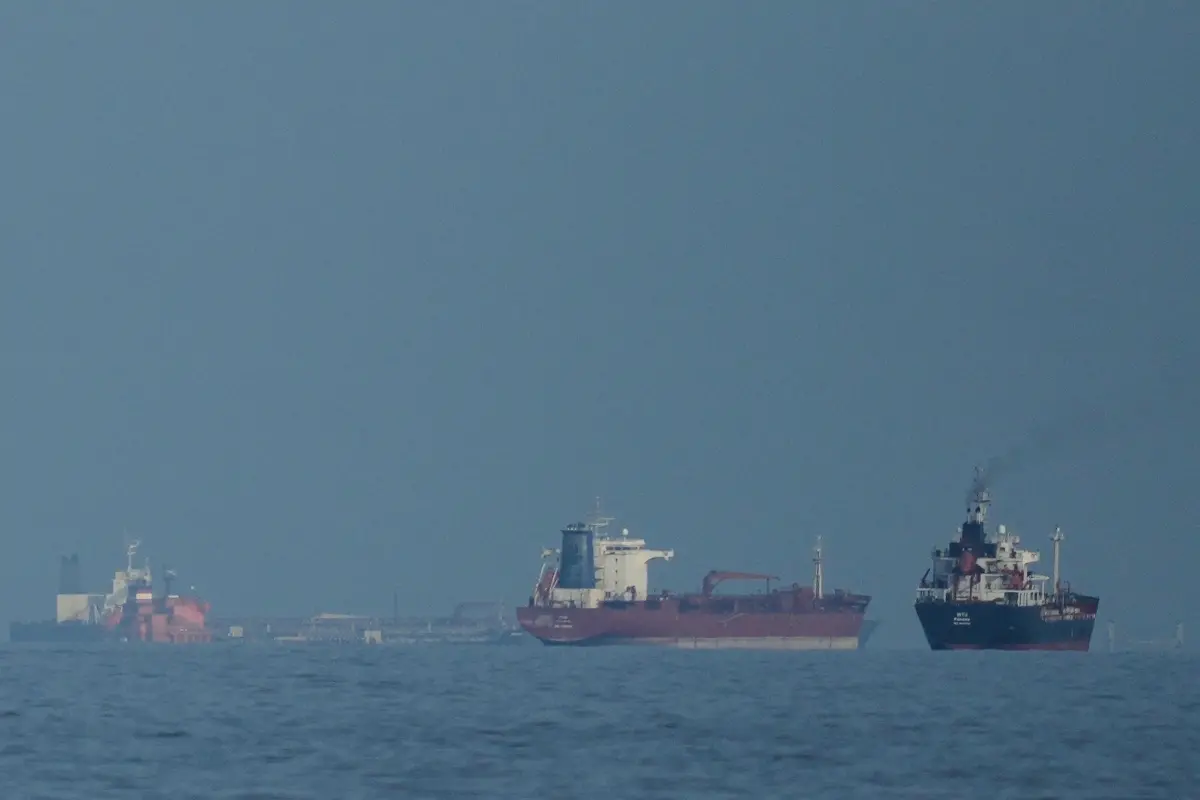
Since the onset of hostilities on Feb. 28, hundreds of commercial vessels and an estimated 20,000 maritime workers have been immobilised within the Gulf. While a 14-day ceasefire commenced on April 8 and President Donald Trump suggested on Wednesday that the war is "close to over," the administration of the waterway remains a pivotal sticking point in diplomatic talks.
Terms of the Omani Corridor
The source, requesting anonymity due to the delicate nature of the discussions, indicated that Tehran might allow ships to utilise the narrow strait’s Omani territorial waters without interference.
It remains unclear, however, if this offer includes the removal of naval mines allegedly deployed by Iran or if the guarantee of safe passage extends to Israeli-affiliated vessels. The source emphasised that the gesture is strictly conditional upon Washington’s willingness to satisfy Tehran’s primary demands.
While the White House and the Iranian Foreign Ministry did not immediately offer comment, a Western security official confirmed that the Omani passage proposal has been under consideration, though Washington’s response remains unknown.
Retreat from Unilateral Claims
The proposal marks a notable departure from Tehran’s recent aggressive rhetoric. In previous weeks, Iranian officials had floated the possibility of imposing transit fees on vessels using the international waterway and asserting unilateral sovereignty over the corridor—moves that the global shipping industry condemned as violations of established maritime law.
Member nations of the International Maritime Organisation (IMO), meeting this week in London, forcefully rejected the notion of a passage toll. The agency warned that such a levy would "set a dangerous precedent."
Restoring Maritime Norms
If implemented, the plan would mark the first step toward reinstating the traditional traffic patterns that have governed the region for decades. The existing routing system, a two-way traffic separation scheme sanctioned by the United Nations in 1968, bisects the 21-mile-wide strait into Iranian and Omani corridors.
The diplomatic movement follows a U.S.-led blockade on Iranian oil exports initiated on Monday. Although the ceasefire remains in effect, broader commercial shipping through the region has been largely paralysed for nearly seven weeks, leaving global supply chains for energy and vital commodities like fertilisers in a state of high volatility.