‘Impossible’: Iran rejects reopening Strait of Hormuz, accuses US of ceasefire violations
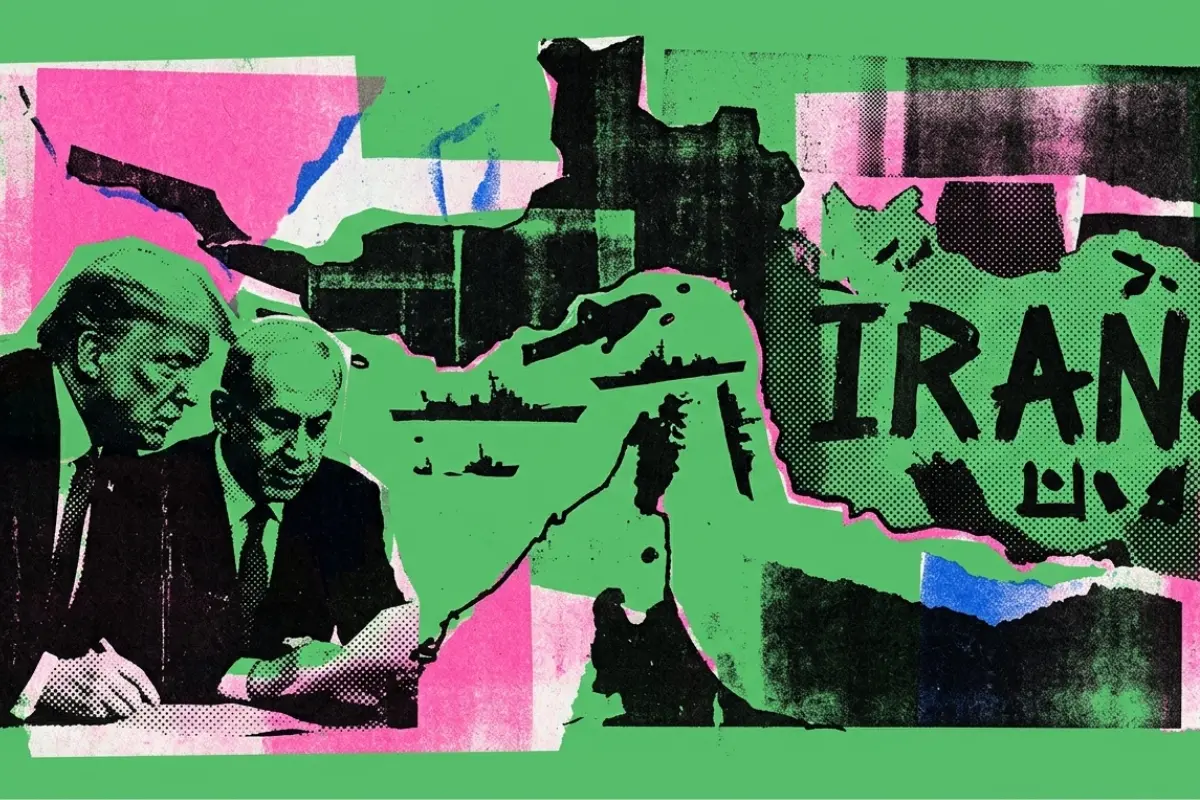
Tehran: Iran’s chief negotiator declared on Wednesday that reopening the Strait of Hormuz is currently "not possible," citing what he described as "blatant violations of the ceasefire" by the United States and Israel.
In a statement posted to X, Mohammad Bagher Ghalibaf argued that the ongoing U.S. naval blockade of Iranian ports constitutes a "violation" that effectively holds the global economy "hostage." He further accused Israel of "warmongering" across multiple fronts.
While Iranian President Masoud Pezeshkian maintained that Tehran remains open to dialogue, he cautioned that "breach of commitments, blockade and threats are main obstacles to genuine negotiations."
Diplomatic Stagnation and Ceasefire Extension
The remarks come as anticipated peace talks in Pakistan have failed to materialise. Vice President JD Vance, appointed to lead the American delegation, remains in the U.S. despite earlier indications that negotiations would commence this week.
On Tuesday evening, President Donald Trump announced an extension of the ceasefire that was originally set to expire on Wednesday. White House Press Secretary Karoline Leavitt later clarified that the extension is open-ended with no firm deadline. Leavitt noted that the president is "satisfied" with the naval blockade and "understands Iran is in a very weak position."
"The cards are in President Trump's hands right now," Leavitt told reporters. Regarding a definitive end to the conflict, she stated the decision rests with Trump, who "will do so when he feels it's in the best interests of the United States and the American people."
Escalation in the Strait of Hormuz
The diplomatic deadlock coincides with heightened maritime tension in the vital shipping lane. Iran announced Wednesday it had "seized" two cargo ships—the MSC Francesca and the Epaminondas—for "inspection."
The Iranian Revolutionary Guard Corps (IRGC) Navy alleged the vessels were "operating without authorisation" and attempted to navigate the strait "in secret" by tampering with navigation systems. Footage released by the IRGC-affiliated Tasnim news agency showed commandos raiding the ships, which tracking data suggests remain near the site of the encounter.
A third vessel, the UAE-owned Euphoria, was also reportedly attacked eight nautical miles west of Iran. However, data from MarineTraffic analysed by BBC Verify indicates the ship has since anchored near the United Arab Emirates without reported damage or injuries. Greek Foreign Minister Giorgos Gerapetritis confirmed the attack on the Greek-owned Epaminondas but stated he could not yet verify its seizure.
The White House indicated it does not view these seizures as a ceasefire violation. "These were not US ships, these were not Israeli ships," Leavitt said.
U.S. Leadership Shifts and Strategy
In a sudden administrative shift, the Department of Defence announced Wednesday that Secretary of the Navy John Phelan would vacate his position "effective immediately." Undersecretary Hung Cao will assume the role in an acting capacity. No specific reason was provided for the departure, which follows the recent resignation of Army Chief of Staff Randy George.
Analysts suggest the administration’s lack of a specific diplomatic or military timeline is a calculated move to allow the economic effects of the blockade to intensify. Leavitt suggested this pressure might empower "pragmatists" in Tehran to offer a peace proposal without interference from hardliners.
Andrew Peek, a former State Department official, noted that while gas prices have risen nearly a dollar in some areas, the administration has successfully stabilised the broader stock market. However, he warned that "the strategic disadvantage at the moment is that Iran has decided that the measure of victory has become control of the Strait of Hormuz."