‘False flag’ row erupts: Iran denies alleged connection to Flydubai incident
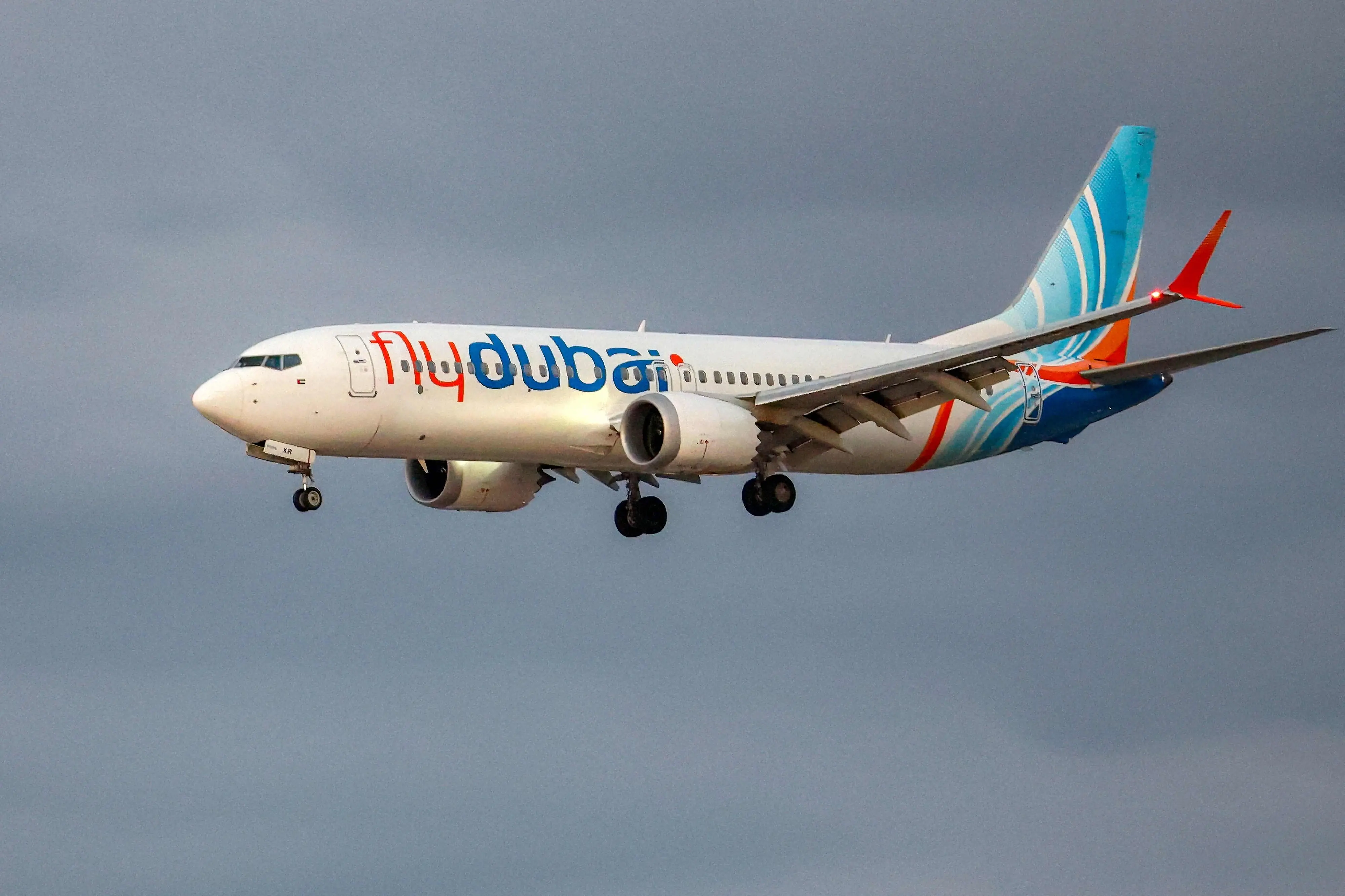
Tehran: Iran has rejected allegations that Tehran was connected to the Flydubai cockpit attack, with Foreign Ministry spokesperson Esmaeil Baqaei calling the claims a “false flag” operation based on what he described as fabricated evidence, as the UAE-led investigation continues.
Baqaei said on Sunday that allegations linking Iran to the incident were part of what he described as a broader campaign against Tehran.
He said Iran was being accused without credible evidence and alleged that the claims were intended to portray Iran as a threat internationally.
Iranian state media reported Baqaei as describing the allegations as a “worn-out tactic” and rejecting any Iranian role in the incident.
What happened aboard Flydubai flight FZ1073
The incident took place on September 30 aboard Flydubai flight FZ1073, which was travelling from Dubai to Tel Aviv.
The co-pilot, identified in reports as Omani national Hamam al-Hammami, allegedly attacked Indian captain Smit Machchhar inside the cockpit and attempted to take control of the Boeing 737.
The aircraft went into a steep descent, losing more than 16,000 feet in a short period. Passengers and other crew members intervened, restrained the co-pilot and helped prevent the aircraft from crashing.
The plane was diverted to Tabuk, Saudi Arabia, where it made an emergency landing.
UAE calls incident an attempted terrorist act
The UAE Attorney-General has described the incident as an attempted terrorist act and said investigators were examining the circumstances and possible motive.
The UAE is leading the investigation, with authorities from several countries involved in examining what happened aboard the flight.
The motive and whether the co-pilot had links to any organisation or outside actor have not been conclusively established.
US President Donald Trump previously suggested that the co-pilot could have been linked to Iran, but did not publicly provide evidence for the claim.
Israeli Prime Minister Benjamin Netanyahu initially said it was too early to determine whether Iran was involved. Israeli security officials later assessed that the co-pilot appeared to have acted alone, although the wider investigation remained ongoing.
There is currently no independently established evidence publicly confirming an Iranian role in the Flydubai incident.
Investigation focuses on co-pilot's background
Investigators are also examining al-Hammami's personal and professional history.
Australian authorities confirmed on October 4 that the Victorian Joint Counter Terrorism Team, involving the Australian Federal Police, Victoria Police and ASIO, is investigating his links to Australia. He reportedly spent time there as a student between 2015 and 2017.
Reports have also raised questions about his previous aviation career and alleged concerns over extremist views. These claims remain part of the investigation and have not established an Iranian connection.
Machchhar was seriously injured during the alleged attack but managed to open the cockpit door, allowing passengers and other pilots to intervene.
The aircraft was stabilised and landed safely in Saudi Arabia. Machchhar has since been receiving medical treatment and has spoken publicly about the incident.