Iran raises fuel costs for heavy users amid mounting economic strain
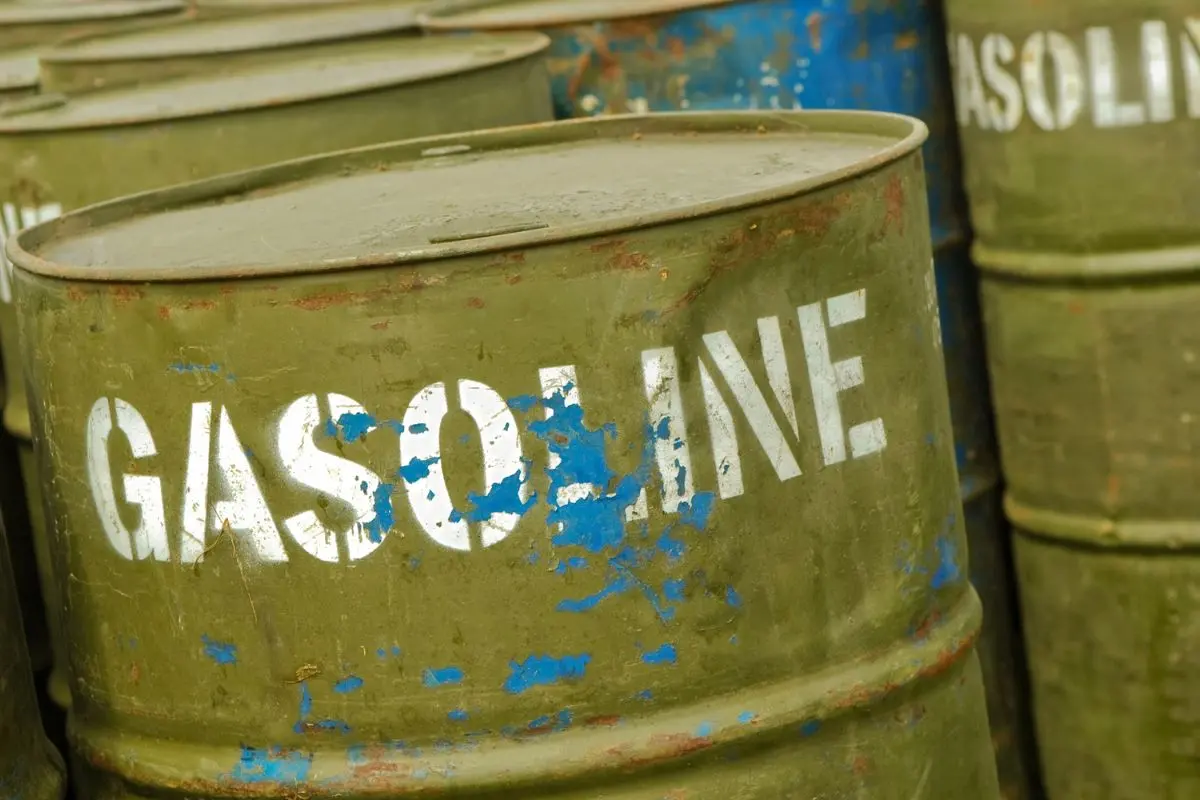
Tehran: Iran on Tuesday implemented a gasoline price increase targeting high-volume consumers, marking the second fuel hike since December as the country navigates severe economic fallout from ongoing war.
While avoiding direct references to active conflict with the United States, official state media cited the “current situation” for the decision, promising that all additional revenue generated would be distributed directly to households.
Adjustments to fuel prices carry immense socio-political weight in the country. A similar price increase in 2019 ignited widespread street demonstrations and a subsequent crackdown that resulted in more than 300 deaths.
Under the updated structure, drivers exceeding their monthly quota of 110 liters (29 gallons) must pay 100,000 rials (roughly 7 cents) per liter -double the rate established in December.
Although Iran maintains some of the cheapest fuel rates globally, the step adds financial strain to a population of 90 million already battling record currency devaluation and diminished purchasing power. The US dollar reached 2.22 million rials on Monday.
Keramat Veis Karami, head of the national oil distribution firm, confirmed through the official IRNA news agency that the tier change applies to roughly 15 percent of motorists. Karami disclosed that daily consumption hit a peak of 145 million liters (38 million gallons) in August against a domestic output capacity of 122 million liters per day, forcing the state to import the shortfall.
Analysts attribute high fuel burn rates to inefficient public transit networks and aging vehicles. However, economists warn that raising gas rates will drive up general inflation, which the Iranian Statistics Center reports is hovering near 67 percent annually.
Subsidised gasoline has long been treated as a public entitlement in Iran. Rate hikes historically triggered public unrest, including 1964 protests that forced the regime to deploy military transports to counter taxi strikes.
Local reactions and on-the-ground conditions
Shortly after the pricing system took effect, two out of eight filling stations observed by The Associated Press were temporarily shut to recalibrate pump meters. The active stations saw queues of about a dozen vehicles, backed by a noticeable presence of uniformed and undercover security forces.
Standing in line, 34-year-old Tehran resident Asghar Rahimi expressed skepticism that the move would resolve larger economic issues, “The tiny amount cannot help the government to manage problems like poverty and unemployment. This was the first step. In the coming months, they need to raise it again.”
Other citizens voiced concerns regarding secondary inflation. 55-year-old Ali Salari noted, “It has been that way ever since the government manipulated gas prices,” fearing immediate price spikes for everyday staples like bread and meat.
Hamid Mirzei, 43, highlighted the existing burden on household budgets, noting that basic grocery runs for staples like beans and lentils can reach 100 million rials ($73).
“Life has become difficult for all of us. Even basic groceries are becoming unaffordable,” Mirzei said. “If gasoline prices go up as well, things will only get much worse.”
AP