Iran protests intensify: ‘Enemy of God’ warning as crackdown deepens
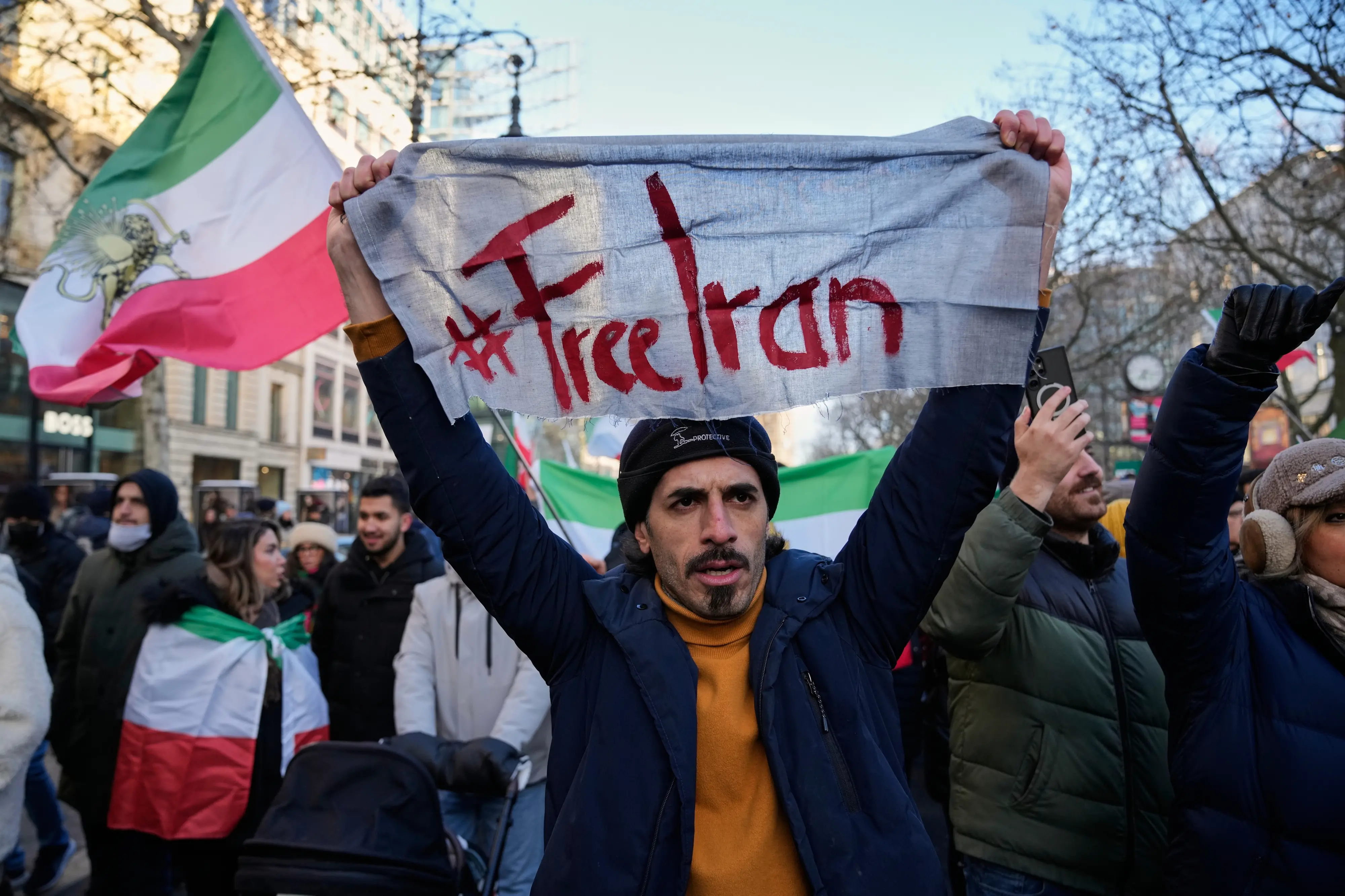
Tehran: Protests in Iran, which began on December 28 over the collapse of the rial and worsening economic conditions under international sanctions, have continued into their second week, drawing attention worldwide.
Despite a strict clampdown and limited communication, reports indicate at least 72 people have been killed and over 2,300 detained, according to human rights groups.
The Iranian government, while acknowledging unrest, has intensified warnings against participants. Attorney General Mohammad Movahedi Azad stated that anyone taking part in protests or aiding demonstrators could be charged as an “enemy of God,” a capital offence under Iranian law. Authorities have described detained individuals as belonging to “operational terrorist teams” and allege some were armed with firearms, grenades, and gasoline bombs.
State media highlighted pro-government demonstrations and the use of martial music from “Epic of Khorramshahr,” while reporting casualties among security personnel. However, videos verified by international outlets showed thousands continuing to protest in Tehran and other cities, chanting against Supreme Leader Ayatollah Ali Khamenei. Reports of violence, including stabbings and attacks on police, have been documented in multiple provinces.
Iran’s exiled Crown Prince Reza Pahlavi has called for continued protests, urging demonstrators to carry the old lion-and-sun flag used during the Shah’s era. The demonstrations reflect broader unrest against political and economic conditions, as well as the country’s leadership.
International reactions have included statements of support for the protesters. The United States reiterated backing for Iranian civilians while warning against escalation. Meanwhile, airlines including Austrian and Turkish carriers have suspended flights to Iran due to safety concerns.
The protests have also impacted daily life in Iran, with schools and universities conducting online classes and internet and phone communications largely restricted. Analysts note that the demonstrations mark one of the most sustained challenges to Iran’s theocracy in recent years, with potential implications for the region’s stability.