Iran caims missile strike on US oil tanker in Persian Gulf; no confirmation yet
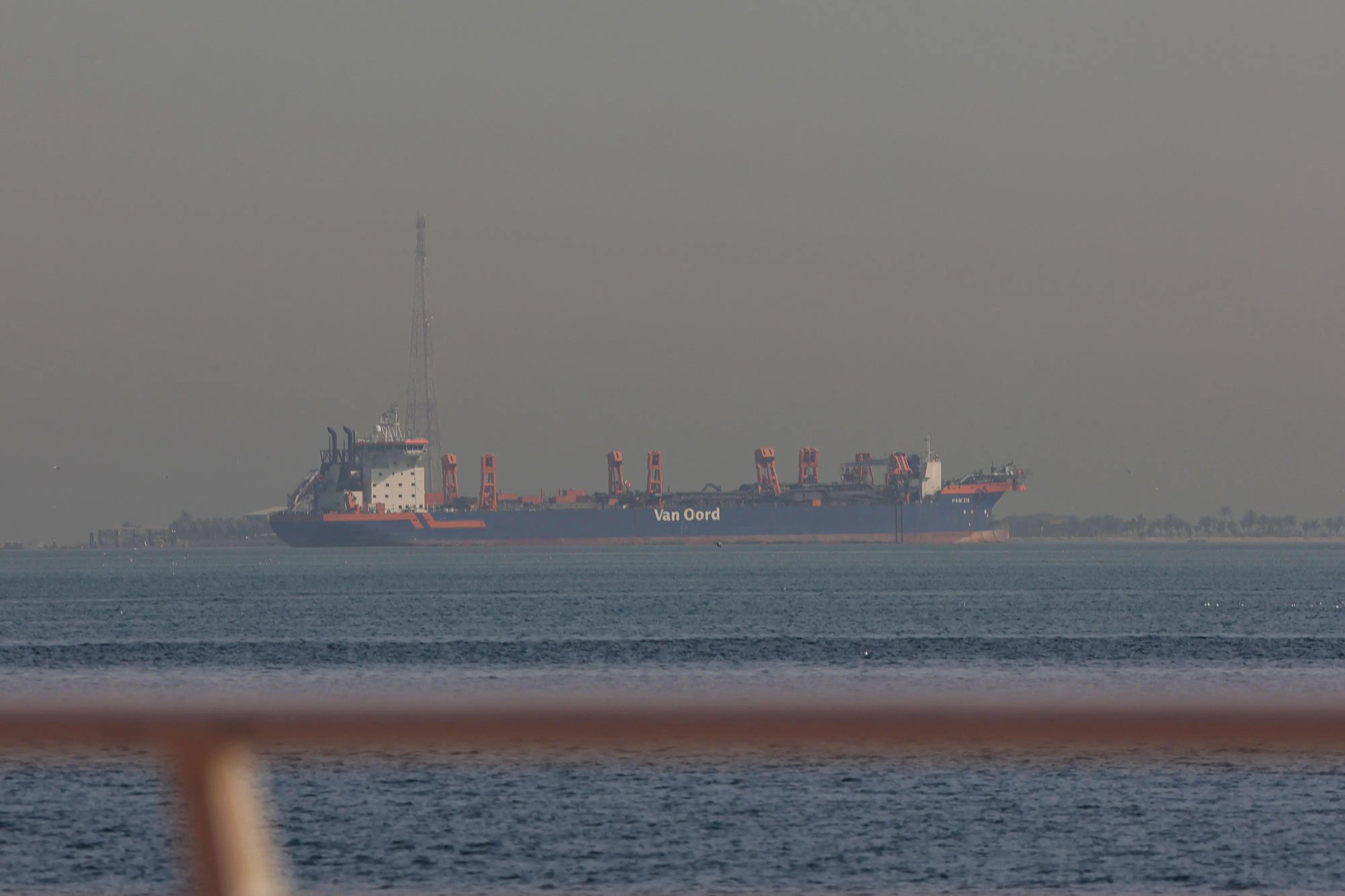
Iran’s Islamic Revolutionary Guard Corps (IRGC) on Thursday claimed it had struck a United States oil tanker in the northern Persian Gulf, saying the vessel was set ablaze after being hit by a missile. There was no immediate confirmation from the United States or independent sources regarding the alleged attack.
The claim surfaced hours after Iran vowed retaliation following the sinking of one of its naval warships earlier in the week, an incident that has further intensified the rapidly expanding conflict between Iran, the United States and Israel.
IRGC claims missile strike on tanker
According to Iranian state media reports citing a statement from the Islamic Revolutionary Guard Corps, the attack took place early Thursday.
Iran’s Mehr News Agency reported that the IRGC said an American oil tanker had been targeted in the northern Persian Gulf.
As per the IRGC, the American ship "was hit by a missile in the north of the Persian Gulf" and "is currently on fire".
Strait of Hormuz warning
In the same statement, the Guards warned that maritime traffic through the strategically vital Strait of Hormuz could come under Iranian control during wartime.
The Guards said that, in time of war, passage through the Strait of Hormuz will be under the control of the Islamic Republic.
The narrow waterway links the Persian Gulf with the Indian Ocean and serves as one of the world’s most critical routes for oil and gas shipments.
Iranian officials also claimed that the strait would remain open only for ships linked to China and Russia, while vessels connected to the United States, Israel and European countries supporting them would be barred from passing through the route.
Retaliation after Iranian warship sunk
The alleged tanker strike came shortly after Iran accused the United States of sinking one of its naval vessels.
Iran said a US submarine torpedoed and destroyed the Iranian frigate IRIS Dena in waters near Sri Lanka on Wednesday.
The ship had recently participated in a multinational naval exercise and fleet review hosted by India in Visakhapatnam before the attack, Iranian officials said.
The strike reportedly killed dozens of sailors. Initial reports suggested 87 fatalities, though officials later revised the death toll to 84. Sri Lankan naval forces rescued 32 crew members, while several others remain missing.
Iran’s foreign minister Abbas Araghchi condemned the incident.
"The U.S. has perpetrated an atrocity at sea, 2,000 miles away from Iran's shores. Frigate Dena, a guest of India's Navy carrying almost 130 sailors, was struck in international waters without warning," said Iranian foreign minister Abbas Araghchi, adding that Washington will "bitterly regret the precedent it has set."
Wider conflict intensifies
The reported developments come as fighting across the Middle East continues to escalate after the United States and Israel launched coordinated strikes against Iran last weekend.
Iranian officials have accused both countries of targeting civilian areas during the ongoing campaign.
"Our people are being brutally slaughtered as the aggressors deliberately target civilian areas and any location they believe will inflict the maximum possible suffering and loss of life," said foreign ministry spokesman Esmaeil Baqaei in a post on X.
Meanwhile, the Israel Defense Forces said it launched new strikes against the Iran-backed militant group Hezbollah in Lebanon. Lebanese authorities reported at least eight people were killed in attacks late Wednesday into Thursday.
Growing regional and global impact
The widening conflict has rattled energy markets and disrupted international shipping routes, with traders closely watching developments in the Persian Gulf.
Oil prices rose again early Thursday amid fears that the fighting could threaten the flow of energy supplies through the region.
The war began after the United States and Israel launched strikes on Iran targeting its military leadership, missile capabilities and nuclear facilities. The attacks reportedly killed Iran’s long-time supreme leader Ayatollah Ali Khamenei, according to officials involved in the conflict.
Since then, the fighting has spread across several countries in the Middle East, killing more than 1,000 people in Iran, over 70 in Lebanon and around a dozen in Israel, according to officials in those countries.
The hostilities have also disrupted air travel across the region and left hundreds of thousands of travellers stranded as tensions continue to escalate.
(With inputs from agencies)