Japanese judge Yuji Iwasawa elected new ICJ president: court
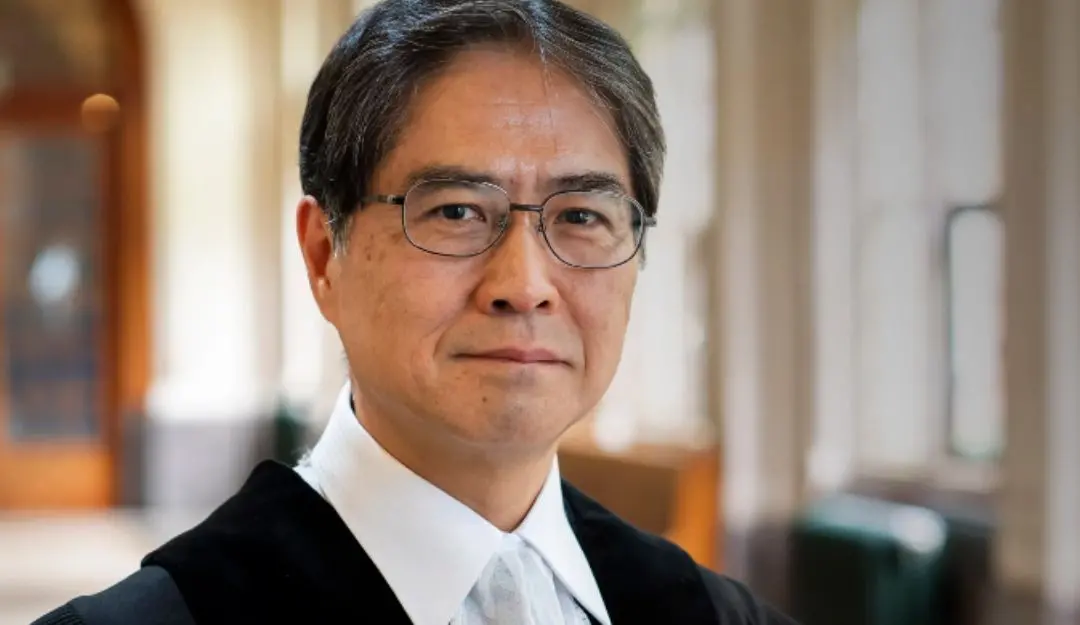
The International Court of Justice (ICJ), also referred to as the World Court, announced on Monday that Iwasawa Yuji has been elected as its new president, succeeding Nawaf Salam to complete his remaining term.
The 70-year-old will head the court until Salam's term was due to expire on February 5, 2027, the ICJ said in a statement.
Salam stepped down in January after being appointed Lebanon's prime minister.
Iwasawa, a Japanese national, has served on the World Court since 2018. Prior to that, he was a professor of international law at the University of Tokyo and chaired the United Nations Human Rights Committee.
The president heads the 15-judge bench but plays a largely ceremonial role, giving speeches in the court's name and representing the institution worldwide, as well as reading out the ICJ rulings. But the president's voice carries the same weight as the other judges in judicial deliberations, except in the event of a tie, in which case the president has the casting vote.
Often dubbed the "world court", the ICJ, which sits in the Peace Palace in The Hague, rules in disputes between nations. It is the UN's highest court and was established in 1945 to settle disputes between nations.
It is sometimes confused with the International Criminal Court, also based in The Hague, which tries individuals for the world's worst crimes including suspected war crimes and crimes against humanity.
The court has recently drawn global attention due to an ongoing case involving genocide allegations against Israel in the Gaza war, which Israel has denied. The ICJ is also deliberating a case between Ukraine and Russia over Moscow's 2022 invasion.
In a ruling last July, the ICJ declared Israel’s occupation of Palestinian territories since the 1967 Middle East war, along with its settlements in the West Bank and East Jerusalem, to be illegal, ordering a withdrawal as soon as possible.
While most of the international community and Palestinians consider the settlements unlawful, Israel disputes this, citing historical, biblical, and political ties to the land, as well as security concerns.
(With inputs from AFP)