India abstains on UN Afghanistan vote, cites LeT & JeM terror threat | VIDEO
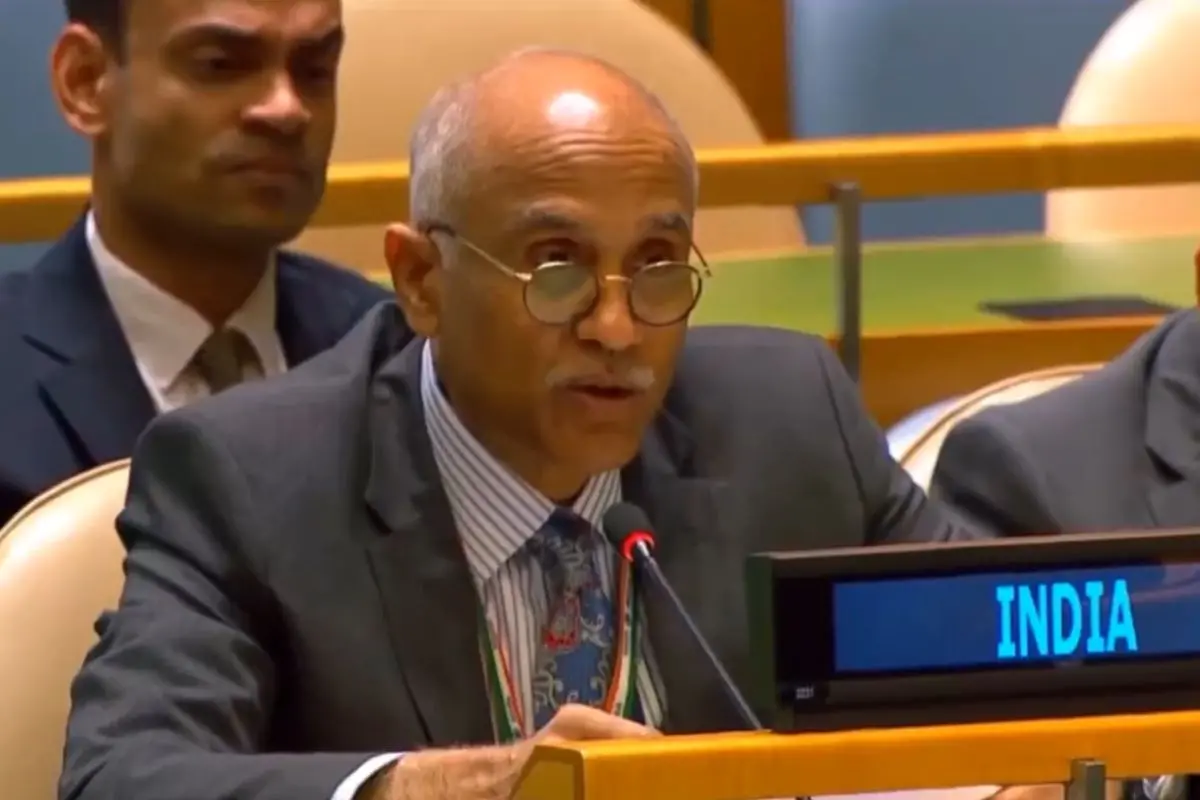
United Nations: India has called on the international community to prevent Lashkar-e-Taiba (LeT), Jaish-e-Mohammed (JeM), and their sponsors from exploiting Afghanistan's territory, while abstaining from a General Assembly resolution concerning the country. India's Permanent Representative P. Harish explained the abstention on Monday, emphasising the need for coordinated global efforts against UN Security Council-designated entities and their affiliates, including LeT and JeM, along with their regional facilitators.
Harish stated that India believes the policy towards Afghanistan should incorporate both incentives and disincentives, a balance he felt was not adequately reflected in the resolution. He argued that an approach solely focused on punitive measures, or a "business as usual" stance without new, targeted initiatives, is unlikely to achieve the international community's desired outcomes for the Afghan people. He noted India's diplomatic engagements with Afghanistan, despite not formally recognising the Taliban. External Affairs Minister S. Jaishankar reportedly spoke with Acting Afghanistan Foreign Minister Amir Khan Muttaqi in May, following Foreign Secretary Vikram Misri's meeting with him in Dubai.
Highlighting ongoing security concerns, Harish specifically mentioned the Pahalgam terrorist massacre in April, which was carried out by The Resistance Front, a group linked to the Pakistan-based LeT. He welcomed Afghanistan's strong condemnation of this attack. India’s immediate priorities in Afghanistan, he added, involve providing humanitarian assistance and implementing capacity-building initiatives for the Afghan people, referencing ongoing food, medical, and educational aid.
The resolution, which called on the Taliban to end its repressive policies, particularly those affecting women, passed with 116 votes. However, the United States and Israel voted against it, while 12 countries, including India, abstained. Germany, a sponsor of the resolution, expressed grave concern over the dire human rights situation, especially for Afghan women and girls, while acknowledging the necessity of engagement with the Taliban through the UN-led Doha Process. US diplomat Jonathan Shrier explained their vote against, stating, "We cannot continue propping up the Taliban while simultaneously demanding they meet their international commitments." He also deemed the existing approach to humanitarian assistance unsustainable.
With inputs from IANS