IMF slaps Pakistan with 11 tough new demands — Can Islamabad survive the pressure?
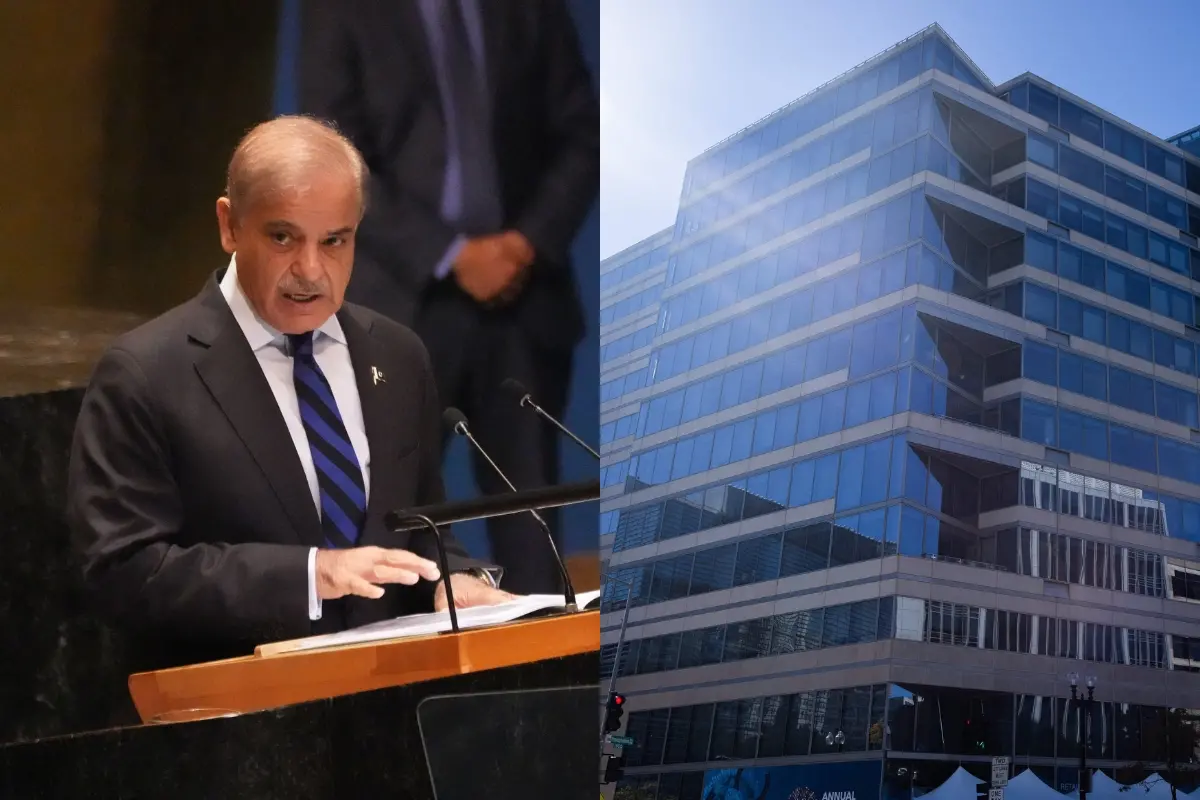
Islamabad: The International Monetary Fund (IMF) has imposed 11 new conditions on Pakistan as part of its ongoing bailout programme. These conditions must be met for Pakistan to receive the next payment from the IMF, aimed at supporting the country’s struggling economy.
New budget and tax requirements
Pakistan is required to approve a new federal budget of Rs 17.6 trillion for the fiscal year 2025-26. This budget must follow the targets agreed upon with the IMF, focusing on controlling the fiscal deficit and improving revenue collection.
Another important condition is the implementation of a new Agriculture Income Tax. Pakistan must set up a system to register farmers, process their tax returns, and run a communication campaign to improve compliance. The deadline for this is June 2025.
Governance and financial sector reforms
The IMF has asked the government to publish a detailed action plan to improve governance. This plan will address issues such as procurement procedures, state-owned enterprises, and corruption, based on the IMF’s earlier assessment.
Additionally, Pakistan must prepare and publish a long-term strategy for the financial sector. This strategy will outline plans for the regulation and structure of the financial system beyond 2027.
Energy sector conditions
Four new conditions target the energy sector. These include reducing the large circular debt that burdens energy companies, adjusting tariffs on time, privatising distribution companies, and reforming gas pricing. These steps aim to stabilise the energy sector and reduce financial losses.
Trade and investment reforms
Pakistan must prepare a plan to phase out all tax incentives for Special Technology Zones and other industrial parks by 2035. This is part of efforts to improve transparency and efficiency in trade and investment policies.
Another condition requires Pakistan to submit legislation by the end of July 2025 to remove restrictions on importing used vehicles less than five years old. This is intended to increase vehicle affordability and promote trade liberalisation.
Geopolitical risks
The IMF report highlights that rising tensions between India and Pakistan could threaten Pakistan’s economic reforms. Increased conflict could impact fiscal stability, foreign investment, and remittances, making it harder for Pakistan to meet IMF goals.
Current status and outlook
Pakistan received a $1 billion disbursement in early May 2025, bringing total funds received to $2 billion under the $7 billion programme. Meeting the new conditions is critical for releasing the next instalments and for starting talks on a $1.3 billion Resilience and Sustainability Facility.
Finance Minister Muhammad Aurangzeb has accepted most conditions but faces resistance from provincial leaders and industry groups, especially on agriculture tax and vehicle import rules. Pakistan’s parliament must pass the necessary laws before the IMF’s next review, expected later this year.
These reforms are part of Pakistan’s efforts to stabilise its economy, reduce its debt burden, and meet international lending requirements while managing internal political challenges and external pressures.
(With ANI inputs)