Is India facing another refugee crisis? A look into the past
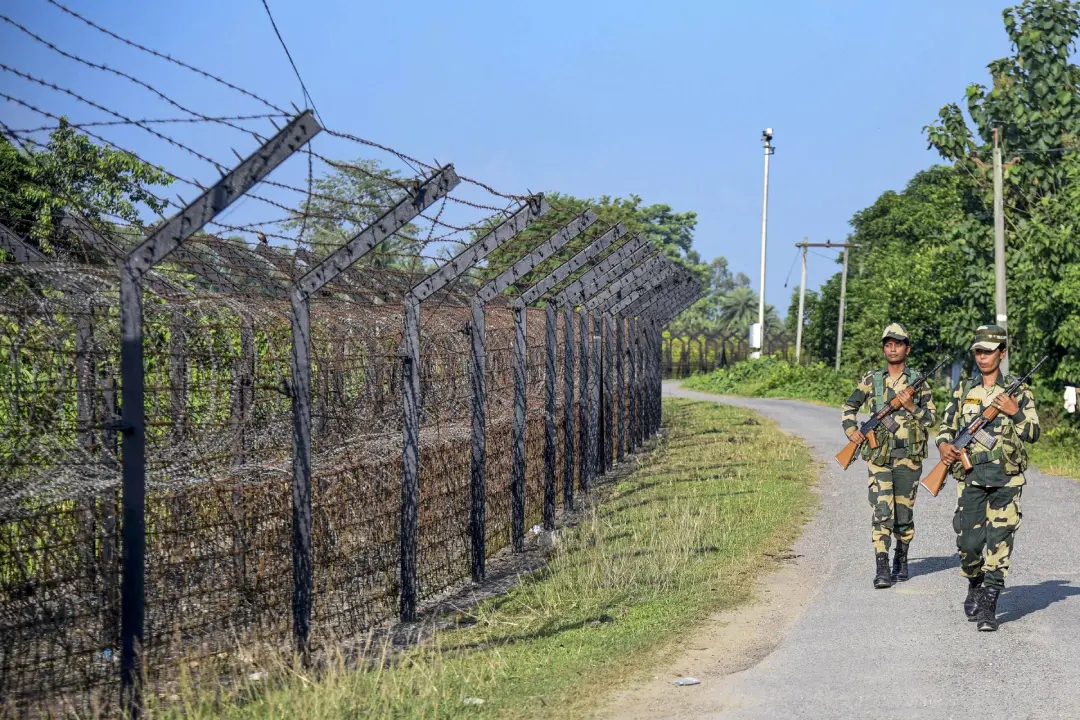
With protests and unrest brewing in Bangladesh, the Indian government had strengthened its security along the border, fearing a possible influx of refugees in the coming days. At this juncture, let's closely examine India's previous track record of hosting refugees from Bangladesh.
Mass migration from the neighbouring country has been a regular occurrence since the time of partition and Indian independence. In 1950, around one million refugees fled to West Bengal, largely due to the riots in East Pakistan. Following the partition, approximately 3 million East Bengalis migrated to India, while 864,000 Indians moved to East Pakistan. Migration continued from East Pakistan to India, with notable increases during periods of unrest such as the 1964 riots and the 1965 India-Pakistan War, when an estimated 600,000 refugees crossed into India.
However, the incredible feat of accommodating 10 million refugees within 10 months during the Bangladesh Liberation War in 1971 remains a historical milestone and holds renewed significance today.
In March 1971, the Pakistan Army initiated Operation Searchlight, which resulted in a genocide against the Bengali population. To flee the brutal violence perpetrated by the Pakistani forces, many people crossed into the Indian states. The Indira Gandhi government of India welcomed the refugees with open arms, and the general public also received them warmly.
The massive influx of refugees and India's growing strain under the pressure were significant factors cited as justifications for the war with Pakistan. Approximately ten million East Bengali refugees entered India during the early months of the conflict, with around 1.5 million estimated to have remained in India after Bangladesh achieved independence.
This mass movement significantly impacted India’s struggling economy in the early 1970s. This achievement was significant given India's lack of participation in the 1951 UN Refugee Convention and its 1967 Protocol and the absence of domestic laws governing refugee treatment. Upon their arrival, the refugees were promptly registered and issued temporary residential certificates. Initially, proper housing was unavailable, but within months, the government established 825 camps across seven states, along with 19 central camps, some accommodating up to 50,000 people. Efforts were made to ensure a steady food supply, with buffer stocks managed by the Food Corporation of India (FCI).
The repatriation of millions of refugees to their liberated homeland became the largest instance of repatriation since WWII. Within two months of victory, over half of the refugees had returned home. By March, the Indian government estimated that only 60,000 refugees remained.