France bans social media for under-15s, becoming first EU country to pass a blanket ban
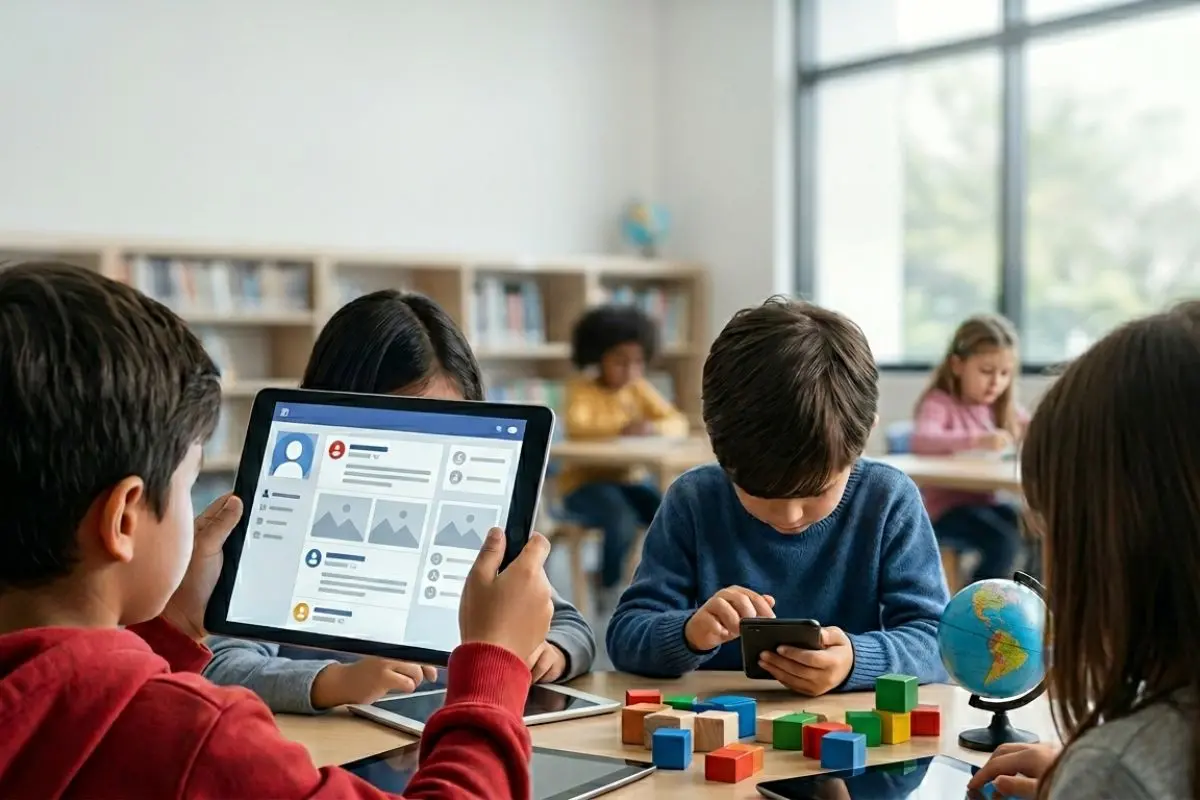
Paris: France has approved a nationwide ban preventing children under 15 from using social media, becoming the first European Union member state to adopt such a sweeping restriction amid mounting concerns over the impact of online content on young users.
The legislation, backed by both houses of Parliament on Tuesday, is one of the flagship reforms of President Emmanuel Macron’s second term. In addition to restricting social media access for children under 15, the law also prohibits mobile phone use in high schools.
The move follows growing concern in France over the effects of social media on children. Several families have filed lawsuits against TikTok, alleging that harmful content on the platform contributed to teenage suicides. The measure has received strong support from parents and child protection advocates.
“We’ve been campaigning for this bill from the start because, frankly, we have no other option, no other way to counter tech giants,” said Gaëlle Berbonde, a 52-year-old who lives in the Paris region. “The only thing we can do is protect our children, just as we protect our children from drinking alcohol.”
Berbonde said her daughter received her first smartphone while in seventh grade. Although the family used parental control software to monitor her online activity, they were unaware of the nature of content on TikTok. Within months, they discovered that she had begun self-harming and was suffering from anorexia and depression. After spending a year and a half in hospital, she has now recovered and is 16 years old.
The law is among the final major initiatives passed during Macron’s presidency before he leaves office next year. He hopes the legislation will come into force at the beginning of the new school year in September. However, implementation could be delayed if France’s Constitutional Council reviews the measure to assess whether it complies with the Constitution.
“France is leading the way in Europe in protecting our children and our teenagers,” Macron said. “We will keep on going.”
The restrictions will not apply to online encyclopedias or educational and scientific directories.
Not all lawmakers supported the measure. Members of the left-wing France Unbowed party argued that the legislation raises constitutional concerns, could undermine online anonymity and would be difficult to enforce.
Also read: Canada vows response as Trump announces 50% tariffs on Canadian goods
Ines Legendre, a legal adviser for the online protection group e-Enfance, said the law will not immediately translate into an outright ban.
“We’ll also have to address the issue of existing accounts for those under 15. How do we identify them? How do we suspend them? And then there’s the question of age verification for all new accounts that will come into effect,” she said.
According to France’s health watchdog, around half of teenagers spend between two and five hours each day using a smartphone. A report released in December found that about 90% of children aged 12 to 17 use smartphones daily to access the internet, while 58% use them primarily for social networking.
The watchdog warned that social media use can have several negative consequences, including lower self-esteem and greater exposure to content promoting risky behaviours such as self-harm, drug use and suicide.
The legislation was amended after the European Commission concluded that an earlier version overlapped with provisions of the EU’s Digital Services Act, which regulates online platforms and aims to improve user safety. Lawmakers reached a revised agreement on Monday before sending the updated bill for final approval by both chambers.
France’s decision comes as governments around the world tighten rules on children’s access to social media.
Australia became the first country in 2024 to ban children under 16 from holding social media accounts. Under its law, platforms including TikTok, Facebook, Snapchat, Reddit, X and Instagram can face fines of up to 50 million Australian dollars (about $35 million) if they fail to stop users below the age threshold from creating accounts.
Elsewhere in Europe, Spanish Prime Minister Pedro Sánchez announced in February that Spain intends to restrict social media use for children under 16. Denmark and Greece have also proposed similar measures, while the United Kingdom has said it is considering comparable restrictions for younger teenagers.
Earlier this month, European Commission President Ursula von der Leyen called for stricter limits on children’s use of social media. An EU expert panel examining the issue recommended barring children under 13 from accessing such platforms until technology companies can demonstrate they are safe.
Von der Leyen also said children under the age of three should not be exposed to screens at all, highlighting infinite scrolling as one of the “addictive” features that technology companies need to address. The European Commission is expected to present proposals for consideration by the bloc’s 27 member states in the near future.