Federal judge extends block on Trump administration’s move to bar Harvard’s foreign students
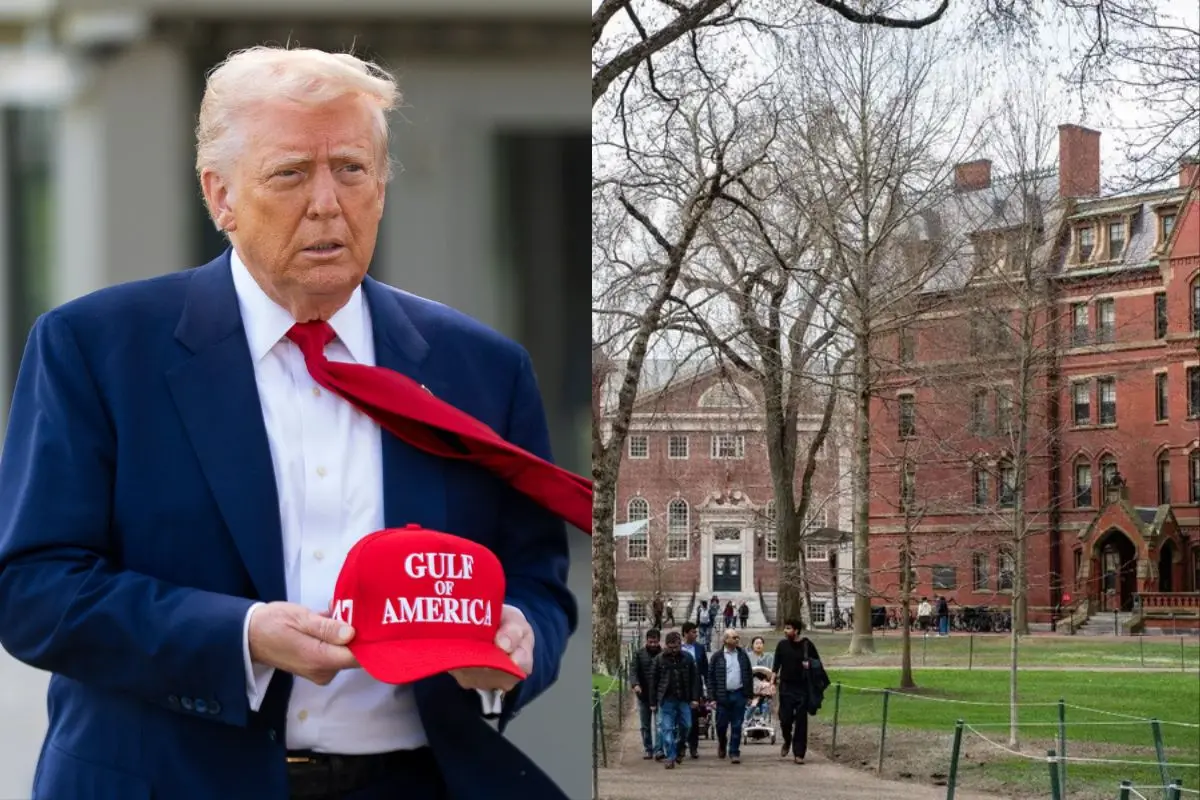
Boston: A federal judge on Thursday extended an order preventing the Trump administration from barring Harvard University from enrolling foreign students.
U.S. District Judge Allison Burroughs prolonged the temporary restraining order she had imposed last week, continuing to block the government’s attempt to revoke Harvard’s ability to host international students at its Cambridge, Massachusetts campus.
Harvard had filed a lawsuit against the Department of Homeland Security (DHS) last Friday, following Secretary Kristi Noem’s decision to rescind Harvard’s certification to sponsor foreign students. This certification is crucial for the university to enable international students to obtain U.S. visas.
On the same day as the judge’s extension, the Trump administration renewed efforts to revoke Harvard’s certification. A letter from Todd Lyons, acting director of Immigration and Customs Enforcement (ICE), gave the university 30 days to respond to the government’s allegations. These included accusations that Harvard coordinated with foreign entities and did not adequately address antisemitism on campus.
Government’s Allegations and Harvard’s Response
The dispute escalated in April when DHS Secretary Kristi Noem demanded records related to foreign students, including disciplinary actions and information about “dangerous or violent activity,” citing concerns over antisemitism on Harvard’s campus.
Harvard asserts it complied with the demands. However, on 22 May, Noem stated Harvard’s response was insufficient and immediately removed the university from the federal programme allowing colleges to sponsor international students.
In its lawsuit, Harvard contended that the government failed to adhere to administrative procedures and regulations governing how schools can be removed from eligibility to host international students. These procedures include providing schools with an opportunity to appeal and a 30-day response period, which aligns with the notice sent on Wednesday.
Impact on Students and University Community
Despite the restraining order, Harvard’s director of immigration services, Maureen Martin, reported in court filings on Wednesday that the Trump administration’s actions had created “profound fear, concern, and confusion” among students.
Martin revealed that many international students inquired about transferring, while some domestic students considered transferring or deferring their studies, fearing that their educational experience would suffer without an international student body.
Further, she stated that international students arriving in Boston were subjected to additional screening by Customs and Border Protection agents, while visa applications faced denials or delays at consulates and embassies.
Consequences for Graduate Programmes and Students
The government’s sanction, if upheld, could severely disrupt several graduate schools which rely heavily on international enrolment. Among those affected is Belgium’s Princess Elisabeth, who has just completed her first year in a Harvard graduate programme.
Several overseas universities, including two in Hong Kong, have extended invitations to Harvard students amid the uncertainty.
Political Reactions and Broader Context
Following Judge Burroughs’ initial halt of the government’s action, former President Donald Trump criticised Harvard on social media, claiming, “the best thing Harvard has going for it is that they have shopped around and found the absolute best Judge (for them!) - But have no fear, the Government will, in the end, WIN!”
The Trump administration has voiced multiple complaints against Harvard, accusing it of harbouring liberal ideologies and failing to protect Jewish students from harassment. It demands changes in Harvard’s governance and policies to align with the administration’s vision.
Harvard, the first university to reject the government’s demands, defended its autonomy, stating it was essential to the reputation of U.S. higher education as a global centre attracting the world’s top scholars.
In its legal actions, Harvard accuses the government of retaliation for the university’s refusal to comply with political demands.
With AP inputs