European leaders push for NATO unity as Trump, Zelensky prepare for crucial talks in Saudi Arabia
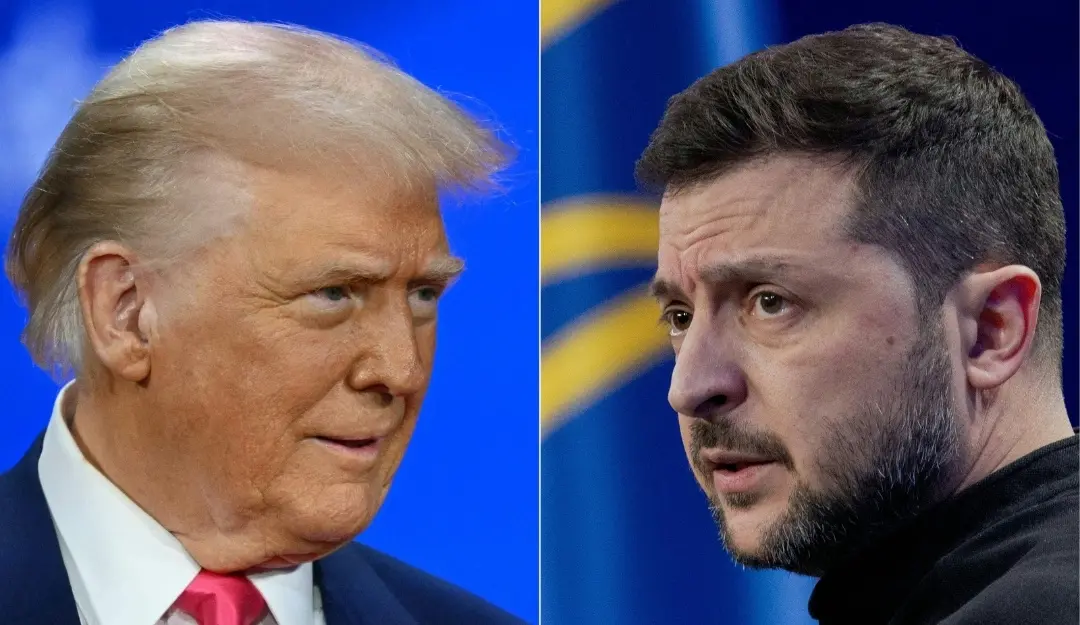
European Union leaders agreed to strengthen the bloc’s defence capabilities at an emergency summit in Brussels on Thursday, following concerns over a possible reduction in US support. The decision comes amid Washington's renewed talks with Kyiv on a potential ceasefire with Moscow.
In response to the perceived threat from Russia, EU leaders approved a strategy to "re-arm Europe." European Council President Antonio Costa stated, “We are moving decisively towards a strong and more sovereign Europe of defence. We are putting our money where our mouth is.”
Major defence spending boost
The leaders endorsed the European Commission’s proposal to mobilise around €800 billion (£685 billion) in defence spending. As part of this plan, the EU will examine the possibility of offering member states up to €150 billion in EU-backed loans to enhance military capabilities.
This decision aligns with Germany’s incoming chancellor Friedrich Merz’s push for radical fiscal reforms to support the country’s military expansion. French President Emmanuel Macron has also advocated for increased defence spending and has suggested extending France’s nuclear deterrent to European allies.
US stance raises European security concerns
Former US President Donald Trump’s ongoing scepticism over NATO has heightened security concerns in Europe. On Thursday, Trump again criticised NATO members for not contributing enough, reinforcing doubts over America’s future role as the continent’s security guarantor.
Trump’s diplomatic shift also includes efforts to negotiate a peace deal between Russia and Ukraine, raising fears that Kyiv may be forced into an unfavourable settlement.
EU reaffirms support for Ukraine
In a show of solidarity, EU leaders welcomed Ukrainian President Volodymyr Zelensky in Brussels, following his recent clash with Trump that led to a temporary freeze on US military aid to Kyiv.
A joint statement from 26 of the 27 EU nations – excluding Hungary, which supports Trump’s position – reaffirmed that any peace negotiations must include Ukraine. “There can be no negotiations on Ukraine without Ukraine,” the statement read.
Despite this strong backing, the summit did not result in new financial commitments for Ukraine, with some EU leaders arguing that current European aid was sufficient. However, Norway, a non-EU member, announced that it would increase its aid for 2025, bringing its total support to $7.8 billion (£6.1 billion).
US-Ukraine ceasefire talks resume
Following last week’s diplomatic fallout, Zelensky has sought to mend ties with Washington. US envoy Steve Witkoff announced that negotiations on an “initial ceasefire” with Russia were back on track. Talks between Ukrainian and US officials are expected to take place in Saudi Arabia next week, either in Riyadh or Jeddah.
Zelensky confirmed that discussions had resumed, expressing hope for “a meaningful meeting” in the coming days. He also stated his willingness to work under Trump’s leadership to secure a peace deal and finalise agreements on US access to Ukraine’s mineral resources.
Europe responds to Trump's Russia outreach
Trump’s efforts to directly engage with Russian President Vladimir Putin on ending the war—without consulting Ukraine or its European allies—has placed the EU on high alert.
The situation has also drawn the UK and the EU closer together, despite Brexit. British Prime Minister Keir Starmer and Macron have been working to bridge the diplomatic gap between Trump and Zelensky. They have proposed a one-month ceasefire covering air, sea, and energy infrastructure, with discussions involving around 20 nations.
Several European countries have expressed willingness to send troops to Ukraine as a security measure. However, Russia has dismissed the idea of European forces in Ukraine and insisted that only a final settlement, rather than a temporary truce, would be acceptable.
With AFP inputs