'Pretty foolish': Elon Musk reflects on nearly $500 million spent on failed election campaigns
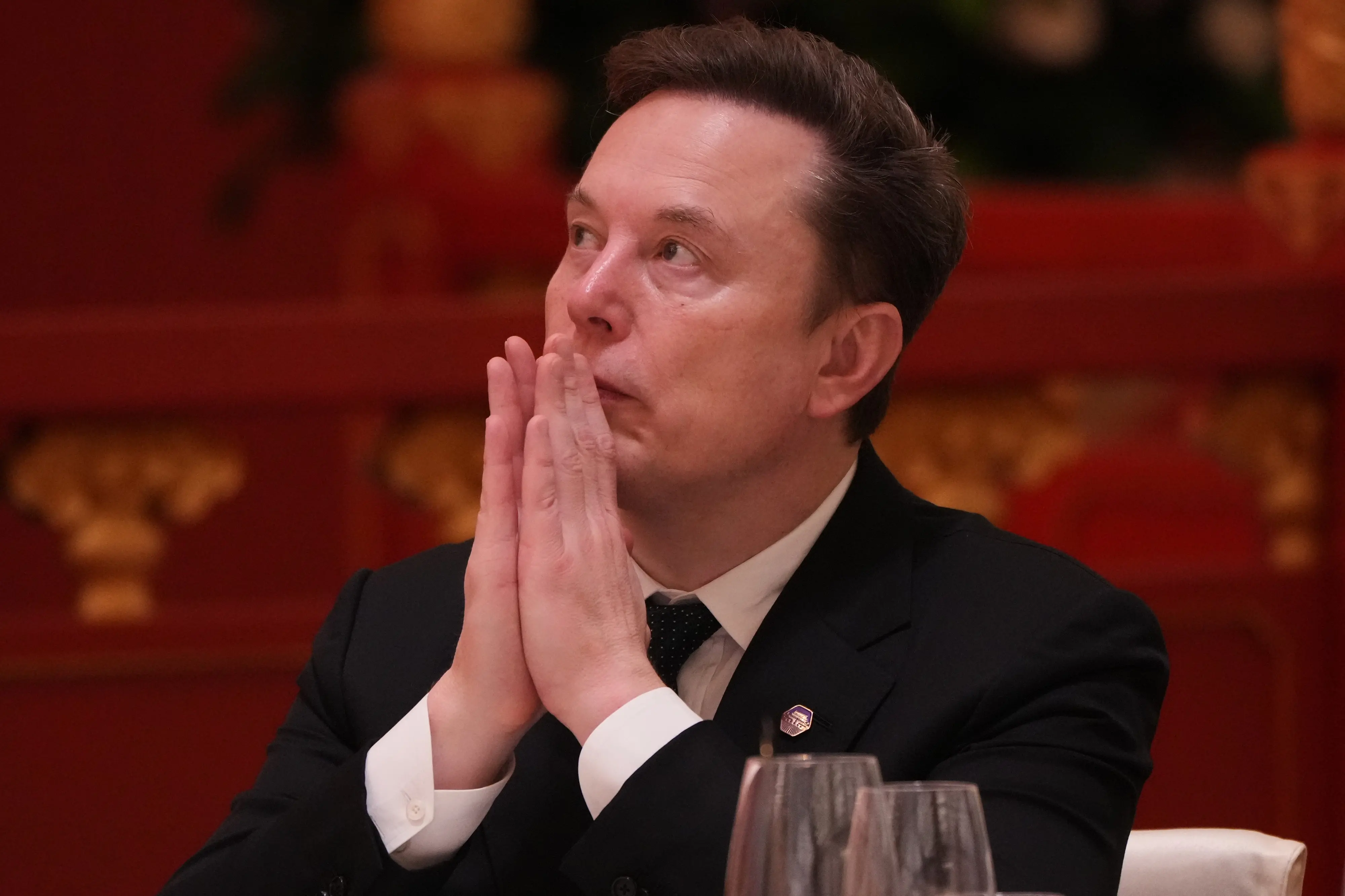
Billionaire entrepreneur Elon Musk has expressed regret over spending nearly half a billion dollars supporting Republican candidates in the 2026 US midterm elections, after several candidates backed by him lost their races to Democrats.
Speaking via videolink at the New York Times DealBook conference on Wednesday, Musk said he felt "pretty foolish" about the amount of money he had spent without achieving the political outcome he wanted.
"I feel pretty foolish about having spent so much money and not seeing much for it, or maybe it would have been much worse without that," he said.
Musk explained that his objective had been to ensure that either the presidency, the House of Representatives or the Senate remained under the control of the opposing political party. He acknowledged that this strategy had failed.
"It certainly shows that American elections are not just about money," he said.
He added that substantial campaign spending could have only a limited effect on election outcomes.
Musk's political spending and earlier support for Trump
The midterm elections were not Musk's first major involvement in US electoral politics. He spent hundreds of millions of dollars supporting Donald Trump's 2024 presidential campaign and other Republican candidates.
After Trump's return to the White House, Musk briefly led the Department of Government Efficiency (DOGE). The two later had a public disagreement before their relationship improved.
Despite that episode, Musk continued supporting Republican candidates during the 2026 election cycle.
One of his biggest bets was Texas Attorney General Ken Paxton's unsuccessful Senate campaign against Democrat James Talarico. Reports put Musk's support for Republican-linked groups backing Paxton at around $212 million, although estimates of his overall election spending vary.
Paxton lost to Talarico, while Democrats also won the Texas governor's race. The party's wider victories resulted in it securing control of both chambers of Congress when the new Congress convenes in January 2027.
Musk says he would have spent less
Reflecting on the results, Musk said he would have approached his campaign spending differently if he could make the decision again.
"If I could rewind the clock, I would have spent less money," he said.
He also suggested that he had not devoted enough personal attention to the campaigns because of his responsibilities at Tesla and SpaceX.
"I didn't put a lot of personal attention into it because I'm focused on building SpaceX, Tesla," he said.
His remarks suggest a reassessment of the scale of his political spending, although he did not rule out the possibility that his contributions had helped Republican candidates avoid even larger defeats.
What Musk's election spending says about money and political influence
Musk's experience highlights the limits of campaign financing in determining election outcomes. Large financial contributions can help candidates fund advertising, organise campaigns and reach voters, but they cannot guarantee electoral victories.
His spending was particularly significant in Texas, where he backed Ken Paxton's unsuccessful Senate campaign. The victory of James Talarico demonstrated that a heavily funded campaign can still lose, even in a state with a long history of Republican electoral success.
The wider midterm results also have implications for the relationship between wealthy donors and political parties. Musk's financial support was intended to help Republicans retain influence in Congress, but Democrats' victories mean the party will control both chambers when the new Congress takes office.
For Musk, the results raise questions about how much political influence his financial contributions can secure and whether he will continue making similarly large investments in future elections.
His comments do not necessarily indicate a withdrawal from politics. Rather, they show that he is reconsidering the amount he spent and the limited electoral returns he believes he received.