‘Elite seeks future abroad’: Report flags Pakistan officials' overseas settlement plans
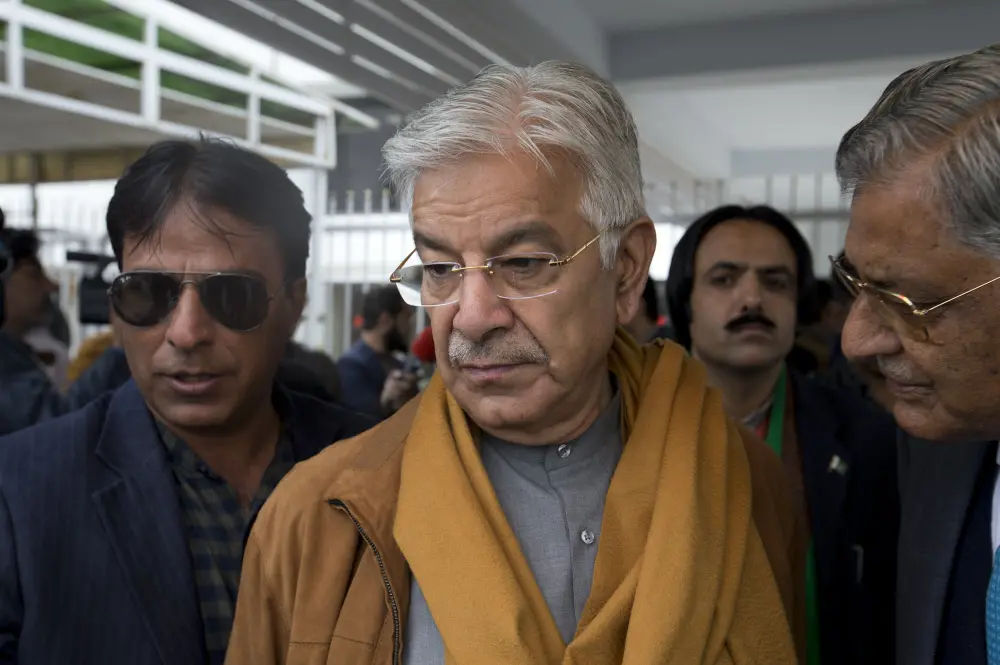
Islamabad: Senior government officials in Pakistan who continue to hold important positions are reportedly planning to settle abroad, with Portugal and other Western countries emerging as preferred destinations for themselves and their families, according to a report.
Pakistan's Defence Minister Khawaja Asif has raised concerns over government officials allegedly making plans to move overseas while continuing to serve in key positions in the country. His remarks were reported by Paul Antonopoulos in the Greek City Times.
The issue has drawn attention to the apparent contradiction between the government's appeal for public confidence in Pakistan's future and reports that some members of the establishment are considering settling abroad.
According to the report, the concern goes beyond officials moving overseas after retirement. It also involves the possibility of their families planning long-term futures abroad through foreign education, residency and eventual settlement.
When the children of government officials study and settle in other countries, their families' long-term dependence on Pakistan's institutions could diminish, even as the officials continue to exercise authority over those institutions, the report noted.
Pakistan's official disclosure requirements also make overseas education of officials' children relevant to administrative accountability. The Establishment Division's asset declaration form requires officials to provide details of their children's education in Pakistan and abroad, along with information about relevant family assets and expenses, the report said.
However, the disclosure requirements do not establish how many Pakistani bureaucrats have sent their children overseas for education. They indicate that such expenditure is subject to official scrutiny rather than being treated entirely as a private matter, it added.
"The strongest indictment of Pakistan’s governing establishment is the divide between the future it promises citizens and the future some insiders reportedly seek for themselves. Sending children abroad for education is a personal choice. Using public authority while concealing relevant financial arrangements or evading disclosure is an institutional failure," wrote Antonopoulos in the Greek City Times.
"Pakistan’s leadership must confront that distinction through evidence and enforcement. An elite that protects its own future abroad while neglecting domestic institutions cannot credibly demand unquestioning confidence from the population left dependent on them," he mentioned further.
The issue comes amid concerns over the migration of skilled professionals from Pakistan. In October, Overseas Pakistanis Minister Chaudhry Salik Hussain told the National Assembly that more than 1.8 million highly educated and professional people had left the country over the previous three years, Pakistan Today reported.
The figures were shared in a written response presented in the National Assembly. Those who migrated included doctors, IT professionals, engineers, academics and skilled workers from various other sectors.