DR Congo Ebola outbreak 'far from under control', warns WHO chief Tedros
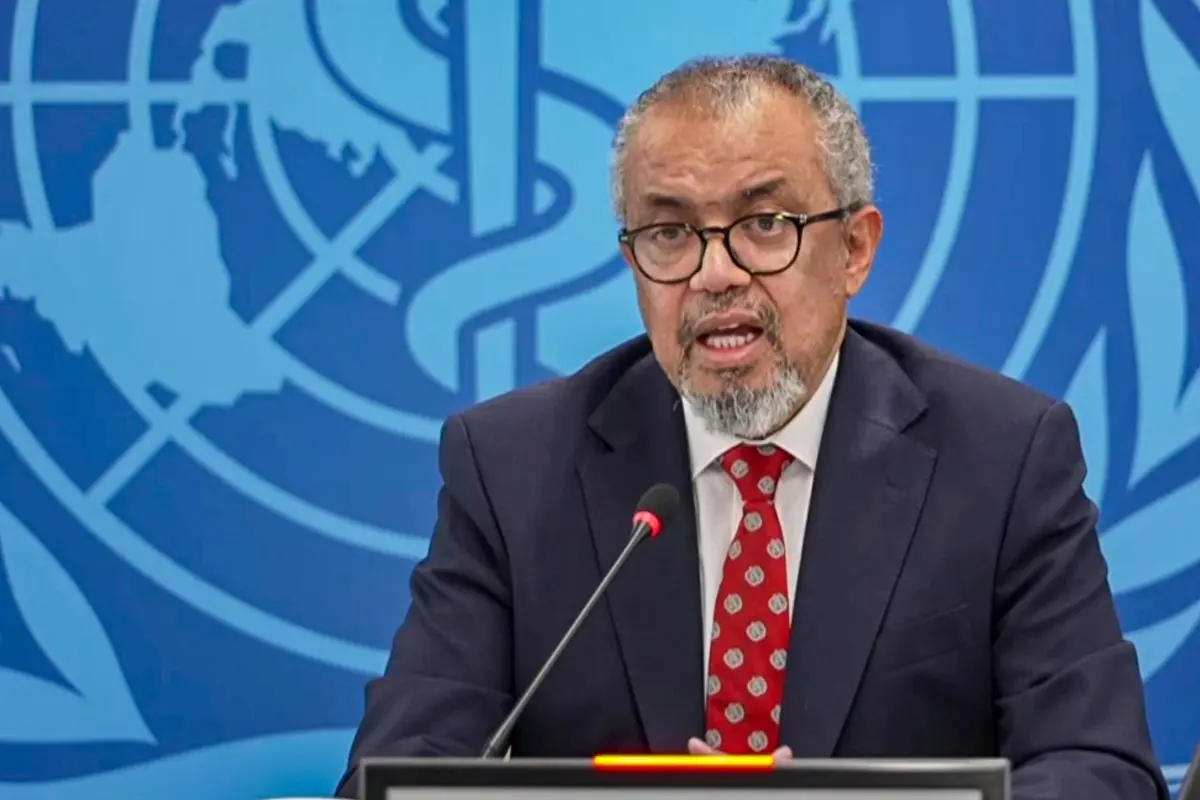
Geneva; The Ebola epidemic in the Democratic Republic of Congo (DRC) is escalating rapidly and threatens to cross additional international borders, warned the head of the World Health Organization (WHO) on Tuesday.
"We must be frank: the epidemic is far from being under control," WHO Director-General Tedros Adhanom Ghebreyesus told an emergency meeting on the outbreak. "It had a big head start, and we are still playing catch-up."
His statements follow a report from the DRC government on Monday confirming that the current outbreak has claimed over 2,300 lives out of nearly 5,000 reported cases, marking it as the most lethal outbreak in the nation's history. First officially declared on May 15, the DRC's 17th Ebola outbreak is believed to have been actively circulating for weeks prior to detection. The virus has swept through northern and eastern provinces—areas severely affected by weak governance, inadequate healthcare infrastructure, and decades of violence by numerous armed groups.
Tuesday's session was the second gathering of the WHO emergency committee since May 17, when the outbreak was designated a Public Health Emergency of International Concern. The committee's updated recommendations have not yet been released.
Currently, the UN health body rates the public health risk as "very high" within the DRC, "high" for neighbouring countries like Uganda, and "low" across the rest of Africa and globally. Infections have spread across six DRC provinces, including districts bordering South Sudan, and cases have already been detected in Uganda.
"The risk of further national and international spread remains high," Tedros warned. "It is moving faster than any previous Ebola outbreak," he said, according to a transcript of his remarks.
By comparison, the 2018–2020 DRC outbreak—previously the country's worst—resulted in 2,299 deaths from 3,381 confirmed cases. The world's deadliest Ebola outbreak on record occurred in West Africa between 2013 and 2016, claiming over 11,300 lives, predominantly in Liberia, Sierra Leone, and Guinea. (AFP)