Trump faces immense backlash over ‘glad he’s dead’ remark on Robert Mueller’s death
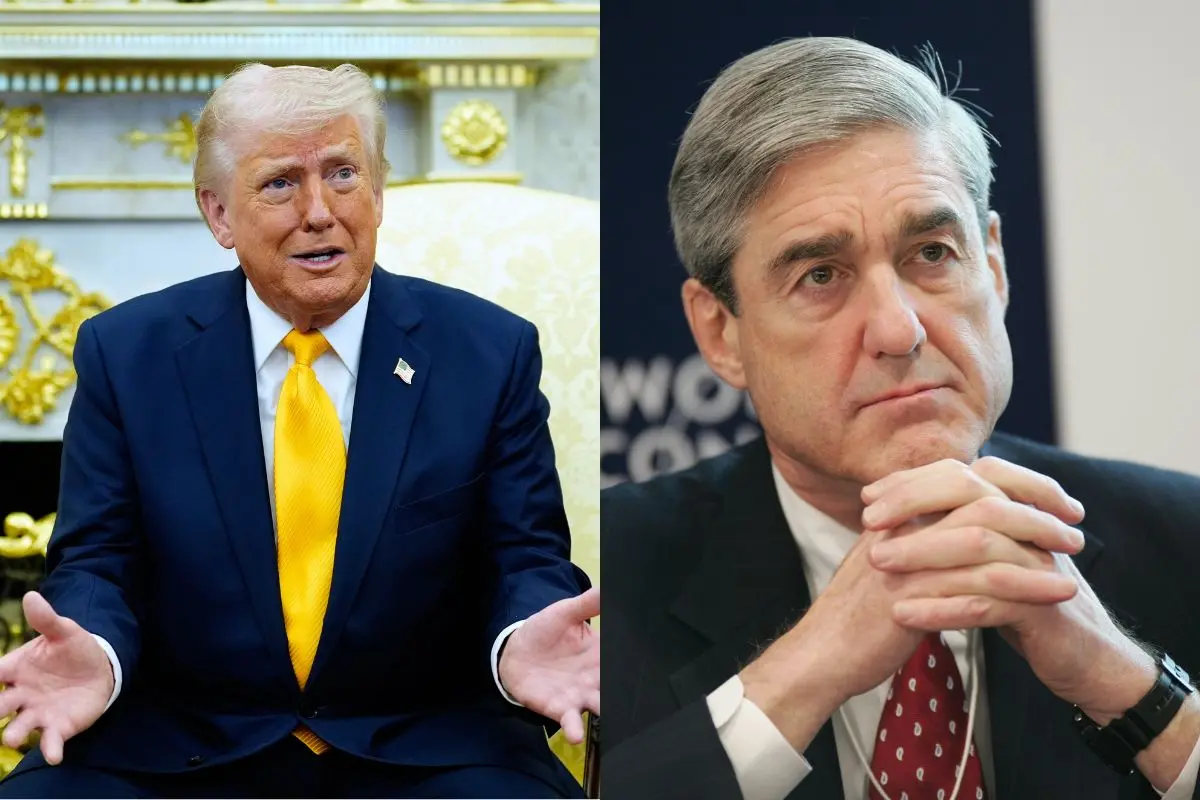
US President Donald Trump is facing intense bipartisan backlash after he publicly reacted to the death of former FBI Director Robert Mueller by writing, “Good, I’m glad he’s dead,” on Truth Social. The remark, posted shortly after Mueller’s death was announced, has reignited long-standing criticism of Trump’s history of making inflammatory comments about political adversaries who have passed away.
Trump wrote on his social media platform: “Robert Mueller just died. Good, I’m glad he’s dead. He can no longer hurt innocent people!” The message swiftly drew condemnation from lawmakers, former officials and critics, many of whom called it deeply inappropriate for a president.
A pattern of attacks on the deceased
Trump’s harsh rhetoric toward opponents who have died has been documented for years. In 2017, he faced scrutiny over alleged insensitive remarks to the widow of a fallen soldier, a conversation the White House later appeared to tacitly confirm. After the death of Senator John McCain in 2018, Trump resumed long-standing attacks, criticising McCain’s voting record and making inaccurate claims about his academic performance.
In 2019, Trump suggested that the late congressman John Dingell was “looking up” from hell. His widow, Debbie Dingell, said the comments caused deep personal anguish.
Trump also issued a sharply critical statement just a day after former Secretary of State Colin Powell died in 2021. More recently, he reposted attacks against the John F. Kennedy family only hours after Tatiana Schlossberg’s death, and made inflammatory remarks following the killing of director Rob Reiner and his wife.
Strong condemnation from political leaders
Trump’s remarks about Mueller prompted swift and widespread criticism. Political strategist Rick Wilson called Trump a “low, degenerate, criminal fraud,” while Republican commentator Michael Steele described him as a “vile disgusting man” lacking moral character.
Lawmakers also reacted sharply. Senator Adam Schiff wrote that Trump “shows his basic indecency” every day. Representative Dan Goldman condemned the post as evidence of Trump’s hostility toward public servants who held him accountable.
Former Obama adviser David Axelrod called the post “thoroughly despicable,” while Senate candidate Alex Vindman noted that Trump, a “draft-dodger”, was mocking a decorated veteran.
The reaction also drew comparisons to last year’s response to the death of right-wing activist Charlie Kirk, when people accused of celebrating his passing faced strong online backlash and, in some cases, job loss. Commentators suggested Republicans who were outraged then should similarly condemn Trump now.
The criticism was amplified in outlets including The Guardian, which noted the political double standard being invoked by Trump’s detractors.
Who was Robert Mueller?
Federal Bureau of Investigation veteran Robert S Mueller III, who died aged 81, was best known for reshaping the bureau after the 11 September attacks and later leading the high-profile investigation into Russian interference in the 2016 US presidential election.
Mueller served as FBI Director for 12 years, longer than anyone except J. Edgar Hoover, after being appointed by President George W. Bush and later extended by President Barack Obama. A decorated Marine Corps officer and former federal prosecutor, Mueller led major cases involving organised crime and terrorism.
He returned to public service in 2017 when the Justice Department’s then-deputy attorney general Rod Rosenstein appointed him special counsel to investigate Russian election interference and links to Trump’s campaign. His 22-month inquiry resulted in charges against 34 individuals and multiple Russian entities. Though Mueller did not indict Trump, he made clear that his report did not exonerate the president.
His death was confirmed in a family statement reported by multiple outlets, including The New York Times. No cause of death was disclosed, though previous reporting indicated he had Parkinson’s disease.
Trump’s reaction to Mueller’s death has renewed debate over the tone of political discourse in the United States. Critics argue that celebrating the death of a longtime public servant crosses a moral line, particularly coming from a president seeking public office again.
As the controversy continues to build, Trump has yet to walk back his comment.