Why didn’t Donald Trump win the Nobel Peace Prize after ‘ending wars’?
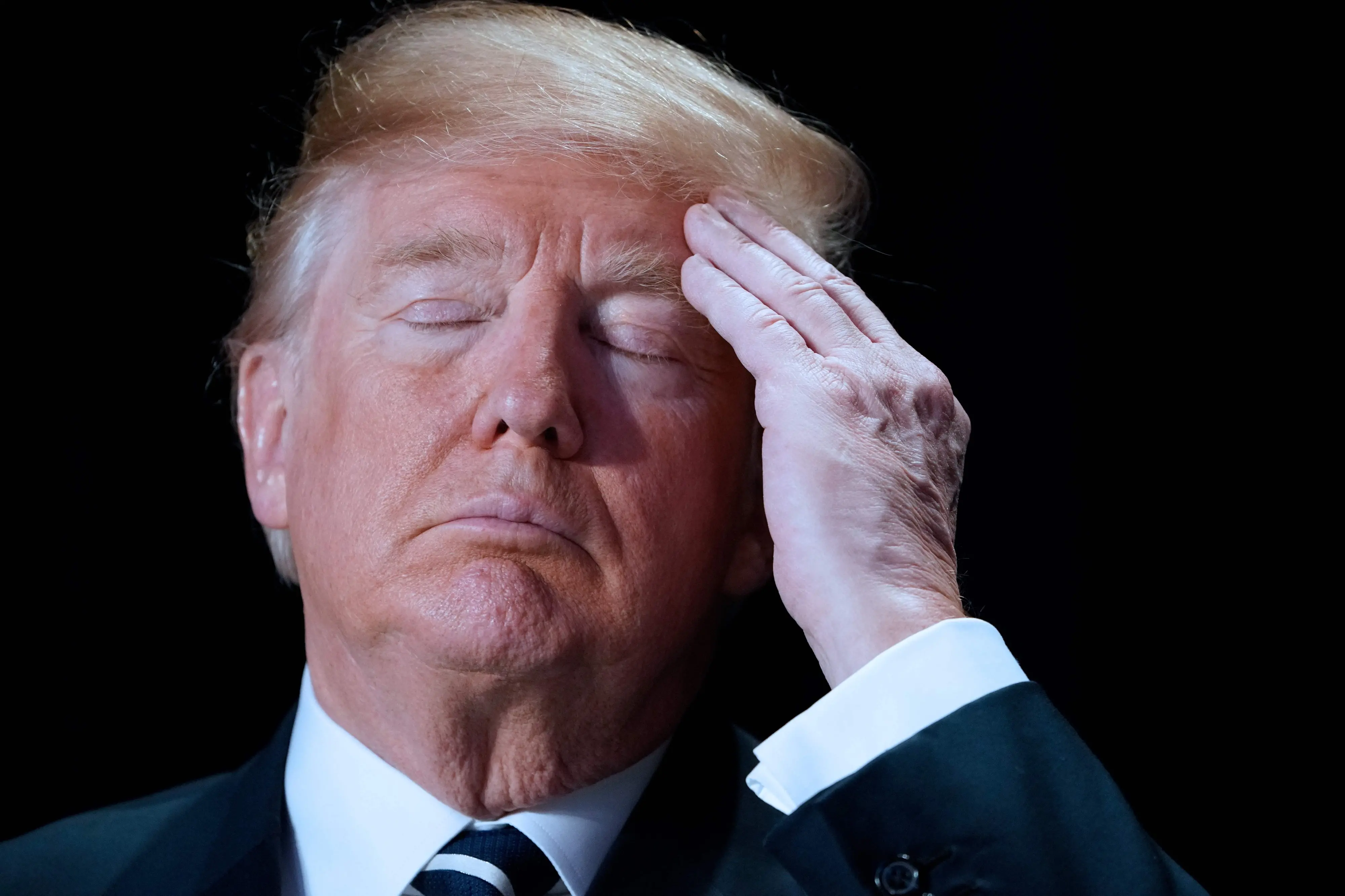
The 2025 Nobel Peace Prize went to Venezuelan opposition leader María Corina Machado — not to US President Donald Trump, who had long proclaimed himself a global peacemaker.
The decision, though unsurprising to analysts, exposes the gulf between Trump’s boasts and the Nobel Committee’s enduring criteria for genuine peacebuilding.
Trump’s pursuit of a prize for peace
The Norwegian Nobel Committee awarded the 2025 Peace Prize to María Corina Machado for her “tireless work promoting democratic rights and peaceful transition from dictatorship.” The announcement immediately sparked attention in Washington, where Trump and his allies had publicly anticipated his name being called.
For years, Trump has positioned himself as a figure deserving of the Nobel, frequently citing his role in “ending seven wars” and, most recently, helping broker a fragile ceasefire between Israel and Hamas after two years of devastating conflict in Gaza. He called his diplomatic efforts “life-saving” and suggested the Nobel Committee would eventually have to recognise them.
However, while a limited truce has held since early 2025, experts caution that Gaza remains volatile, with no agreement on disarmament, reconstruction, or long-term governance.
The Nobel Committee’s stance: peace built, not proclaimed
The committee’s decision to honour Machado — a long-time pro-democracy activist in Venezuela — reflects its traditional focus on tangible peace efforts over political rhetoric. Her recognition aligns with the committee’s founding principle, set out by Alfred Nobel, to reward those who “advance fraternity between nations” and promote genuine peace.
Trump’s foreign policy record, however, is complex. While he has claimed credit for peace initiatives, his administration also withdrew from the Paris Climate Agreement, sparked trade wars with major economies, and leveraged government power against domestic critics. Diplomats argue that such contradictions weakened his moral standing as a global peacemaker.
Late nominations and global lobbying
Though Trump did receive several nominations — including from Israeli Prime Minister Benjamin Netanyahu, Cambodian leader Hun Manet, and Pakistan’s government — most were filed after the February 1 deadline. Republican Representative Claudia Tenney also nominated him for his work on the Abraham Accords.
Supporters claimed his omission was politically driven, but the Nobel Committee has long maintained that nominations do not guarantee merit or selection. The process, while often politicised, remains secretive and guided by independent deliberations.
A history of selective recognition
Only three sitting US presidents have ever won the Nobel Peace Prize: Theodore Roosevelt (1906), Woodrow Wilson (1919), and Barack Obama (2009). Jimmy Carter (2002) and Al Gore (2007) received it post-tenure.
Ironically, Trump had mocked Obama’s 2009 win as undeserved, saying he received it “for doing nothing.” His own unfulfilled hopes of receiving the same honour have since drawn widespread comparisons — and criticism for his public campaigning for recognition.
Symbolism and contradiction
While Trump insists he “did not do it for the prize,” his repeated public remarks and global lobbying suggest otherwise. Analysts say his loud self-promotion contrasts sharply with the quiet, sustained activism the Nobel typically rewards.
The 2025 result highlights the gap between political showmanship and verifiable peacebuilding. For all of Trump’s boasts about “saving lives,” the Nobel Committee’s verdict reinforces that peace is measured not by claims — but by consequences.