Did Iran really shoot down a US warplane near Bushehr? What we know so far
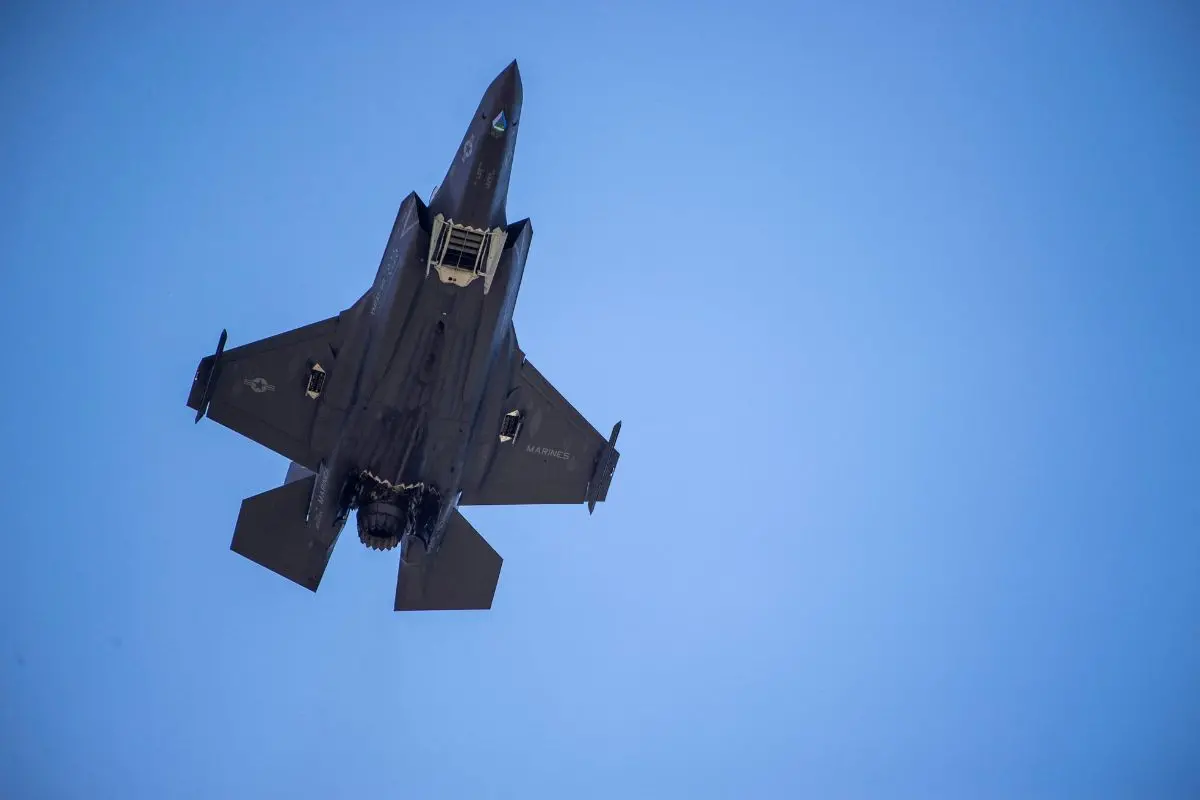
Tehran: Iran’s air defence systems were activated late Thursday night in the southern Bushehr Province after what Iranian state media described as an aerial intrusion involving US aircraft, further escalating tensions in the Gulf region amid fragile ceasefire negotiations.
Iranian media claimed that American aircraft were destroyed during the incident, though US Central Command swiftly rejected the reports and denied any US warplane had been shot down.
The reported confrontation came just hours after the Islamic Revolutionary Guard Corps (IRGC) allegedly launched attacks on four vessels operating near the Strait of Hormuz, including ships reportedly linked to the United States.
Ceasefire talks continue amid fresh flare-up
The latest escalation unfolded even as US and Iranian negotiators were said to have reached a tentative agreement to extend the ceasefire by 60 days and begin negotiations over Iran’s nuclear programme, according to a US official familiar with the matter.
The official, speaking on condition of anonymity, said US President Donald Trump still needed to approve the emerging memorandum of understanding.
Iran has not officially confirmed the agreement. However, US Vice President J D Vance acknowledged ongoing discussions late Thursday.
"It is hard to say exactly when or if the president is going to sign," Vance told reporters.
He added, "We are going back and forth on a couple of language points."
The proposed agreement emerged as the ceasefire between Washington and Tehran appeared increasingly fragile. Just a day earlier, Kuwait reportedly intercepted missiles fired from Iran, according to US Central Command.
Strait of Hormuz at centre of negotiations
According to the US official, the memorandum would require Iran to stop imposing tolls on vessels passing through the Strait of Hormuz and remove all naval mines from the strategic waterway within 30 days.
During the conflict, Iran had effectively restricted movement through the strait, a route that handles nearly one-fifth of the world’s traded oil and natural gas. The disruption triggered sharp increases in global oil prices.
US Treasury Secretary Scott Bessent said on Thursday that oil prices could stabilise quickly if the agreement moves forward.
The official also said the US would gradually ease its naval blockade on Iranian ports and relax sanctions, allowing Tehran to increase oil exports.
Despite the diplomatic progress, Washington simultaneously intensified economic pressure on Iran. The US Treasury Department imposed fresh sanctions targeting the Iranian military’s oil sales network, expanding the Trump administration’s pressure campaign against Tehran. Axios first reported details of the tentative agreement.