Rare cyclone Alfred weakens but brings heavy rain, flooding risk to Australian east coast
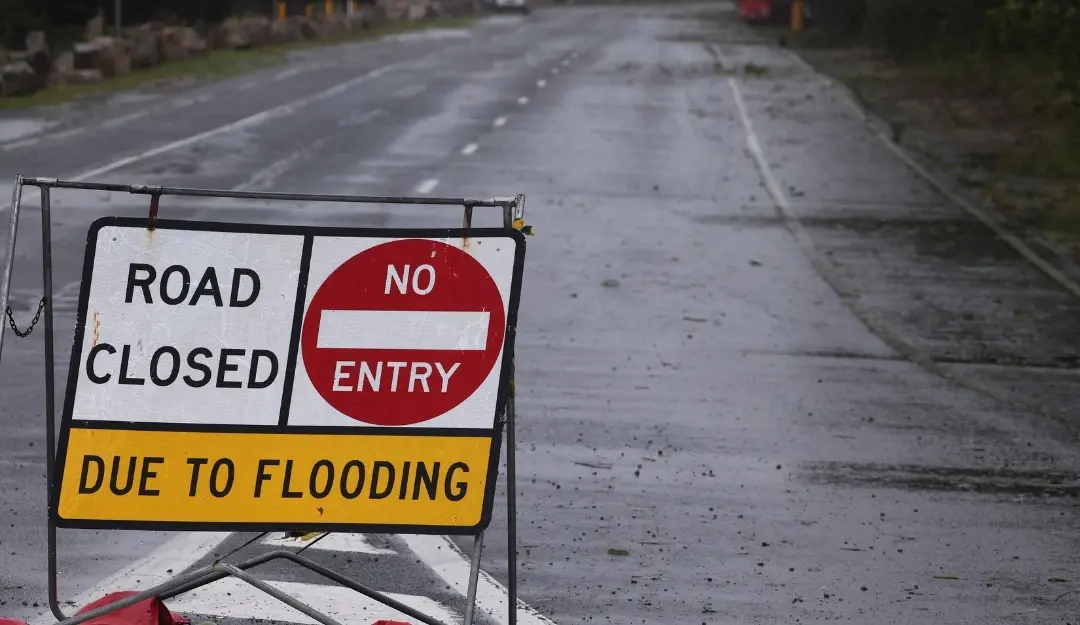
Canberra: Tropical Cyclone Alfred, which was on track to become the first cyclone to directly hit Brisbane since 1974, weakened into a tropical low on Saturday. While the storm’s winds have reduced, the system continues to bring torrential rain and flooding risks to Australia’s east coast.
The storm was initially moving west towards Brisbane with sustained winds of 95 kph (59 mph) and gusts up to 130 kph (81 mph). However, early Saturday, it weakened to a tropical low, meaning its sustained wind speeds fell below 63 kph (39 mph), according to the Bureau of Meteorology.
Despite the weakening, meteorologists warn that heavy rainfall could lead to flash and riverine flooding, particularly as the storm moves inland. "Heavy-to-locally intense rainfall leading to flash and riverine flooding now becomes the major concern as the ex-Tropical Cyclone Alfred moves inland," said Matt Collopy, Bureau of Meteorology manager.
Widespread power outages and flood rescues
The extreme weather has already caused significant damage. Nearly 300,000 homes and businesses across Queensland and New South Wales lost power, with Gold Coast experiencing the strongest wind gusts at 107 kph (66 mph) on Friday night. Fallen trees damaged homes, power lines, and vehicles throughout the region.
Emergency teams conducted 29 flood rescues in northern New South Wales, mostly involving vehicles attempting to drive through floodwaters. A 61-year-old man remains missing after being swept away in a river near Dorrigo, and a woman suffered minor injuries when the roof of an apartment building collapsed in Gold Coast.
Queensland Premier David Crisafulli expressed relief that the storm did not coincide with high tide, which could have worsened coastal flooding. “To have no homes reported ... that have had storm tide inundation is really a tremendous, tremendous result,” he said.
Brisbane, sunshine coast, and beyond brace for impact
The system is expected to cross the coast north of Brisbane between Bribie Island and the Sunshine Coast on Saturday. Authorities in Sunshine Coast are preparing for worsening conditions, with Mayor Rosanna Natoli warning of possible sudden flooding.
“It’s unusual, but not unprecedented, for a tropical cyclone such as Alfred to threaten Brisbane,” noted meteorologists from Colorado State University and the University at Albany. No hurricane-strength cyclones have ever been recorded within 80 kilometers (50 miles) of Brisbane.
The major concern now is the storm’s slow movement, which could result in prolonged heavy rainfall, similar to the impact of Hurricane Harvey in Houston in 2017, meteorologists explained.
As Queensland and northern New South Wales brace for further rain, authorities urge residents to stay alert and avoid unnecessary travel in flood-prone areas.
(With AFP inputs)