CIA arming Iranian Kurds for regime change? What it means for Iran’s Opposition
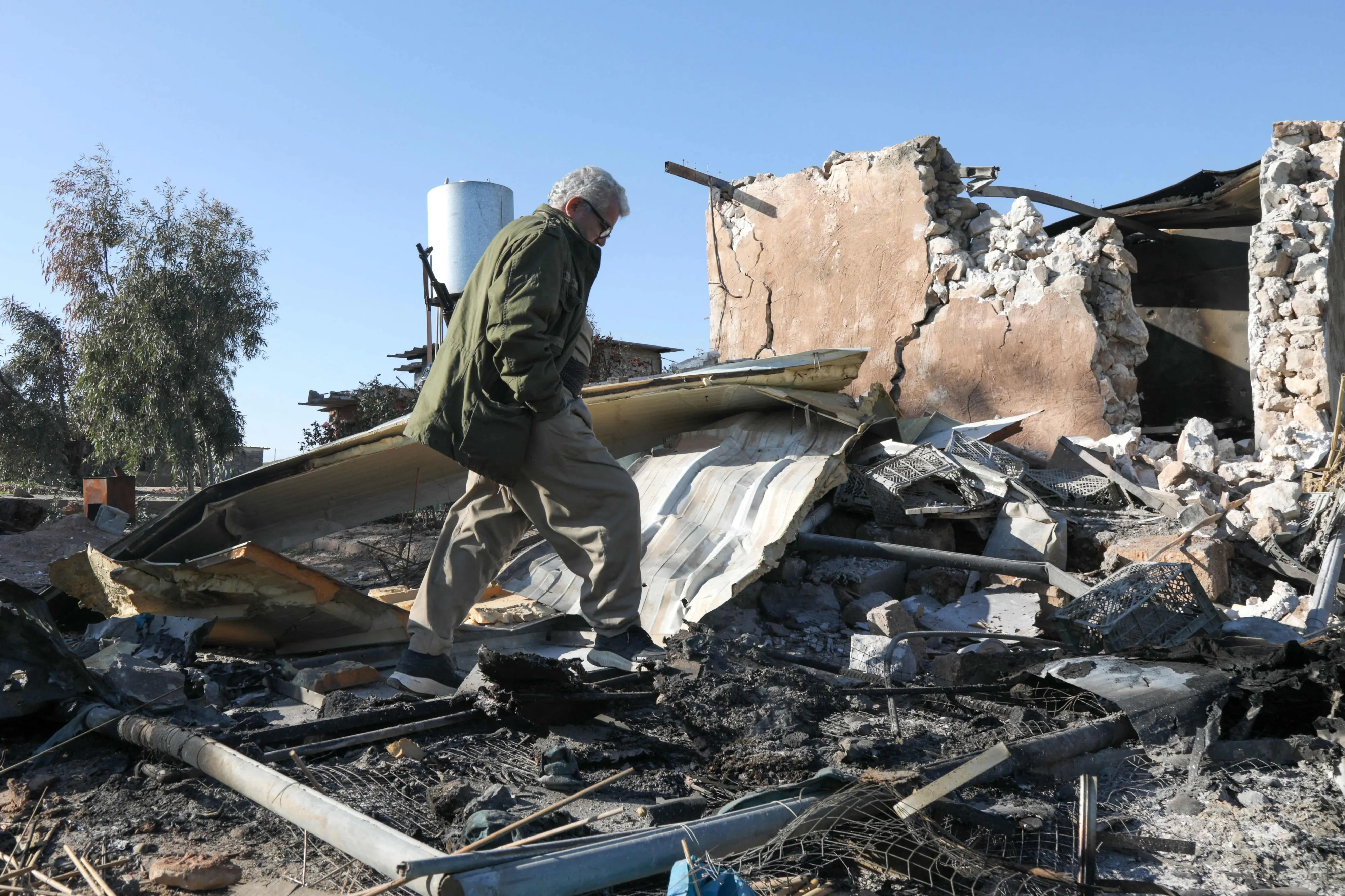
Washington/Tehran: The CIA is working to arm Kurdish forces inside Iran with the aim of encouraging a broader uprising against Tehran, according to international media reports. Kurdish opposition groups are said to be preparing for possible ground operations in western Iran and expect support from the United States and Israel.
The reported objective is to use organised Kurdish armed groups to trigger broader instability inside Iran.
International media have also reported that US President Donald Trump personally contacted Kurdish leaders in recent days and spoke directly with Mustafa Hijri, head of the Democratic Party of Iranian Kurdistan (KDPI), shortly after Iranian forces targeted Kurdish positions with drone strikes.
Meanwhile, Tehran has reacted strongly. Senior political figure Ali Larijani warned that “secessionist groups” would face severe consequences, signalling that any Kurdish-led armed action would be treated as a national security threat.
Is Western Iran becoming a new flashpoint?
International media reports suggest that weapons have been channelled into Kurdish areas of western Iran over recent months. Israeli military activity has also intensified near Iran’s western border with Iraq, targeting Iranian positions.
The broader strategy, as described in the reports, involves strengthening Kurdish armed capacity inside Iran as a potential catalyst for wider anti-regime mobilisation.
Who are the Kurds in Iran?
Kurds are an ethnic group spread across Iran, Iraq, Turkey and Syria. In Iran, they are concentrated mainly in north-western provinces along the Iraqi border.
Iranian Kurdish political movements have operated for decades, seeking greater cultural rights, political autonomy or federal restructuring. Some factions maintain armed wings and have periodically clashed with Iranian security forces.
In January, Kurdish organisations coordinated a general strike across dozens of towns in Iranian Kurdistan. The Kurdistan Freedom Party (PAK) claimed responsibility for attacks on IRGC positions during unrest earlier this year. PAK fighters previously received US training and fought ISIS between 2014 and 2017. PJAK, another Kurdish armed group, has been one of the most active factions targeting Iranian security forces over the past decade.
Analysts note that Kurdish movements stand apart for their institutional continuity and structured armed capability, including female combat units embedded within party frameworks.
Kurdish groups are widely regarded as among the few opposition forces with structured organisation and operational presence inside Iran.
Where does the political tension lie?
The disagreement is not over opposition to the Islamic Republic. Rather, it centres on how change should occur and what a post-regime Iran would look like.
Exiled Crown Prince Reza Pahlavi has criticised Kurdish coalitions perceived as advancing separatist agendas. His position reflects concerns among sections of the Persian-dominated exile opposition that armed ethnic mobilisation could risk territorial fragmentation.
Kurdish leaders argue that their demands focus on federalism or decentralisation rather than disintegration, and that they possess organisational depth inside Iran that diaspora movements lack.
This strategic divergence has exposed underlying tensions within Iran’s broader anti-regime landscape, particularly over territorial integrity, federal restructuring and the risks of externally backed armed mobilisation.
Why does this matter?
If Kurdish factions are armed and positioned as the primary force for regime change, it could reshape the internal balance of Iran’s opposition. Supporters say organised armed groups bring structure and capability. Critics warn that military escalation along ethnic lines could deepen internal fractures and heighten regional instability.
As international media continue to report on covert backing and cross-border coordination, the central question remains whether Kurdish-led mobilisation would strengthen a unified opposition front — or create new political fault lines.