Is writing erotic fiction a crime? China targets LGBTQ women writers
Beijing: Chinese women who publish homoerotic fiction online say they are facing threats of jail time and financial penalties. The government’s increased enforcement of loosely defined obscenity laws is targeting a rare space for LGBTQ identity and feminist expression.
In recent months, dozens of writers have been detained by Chinese police for publishing content on Haitang Literature City, a Taiwan-based website popular for serialised Boys’ Love (BL) stories.
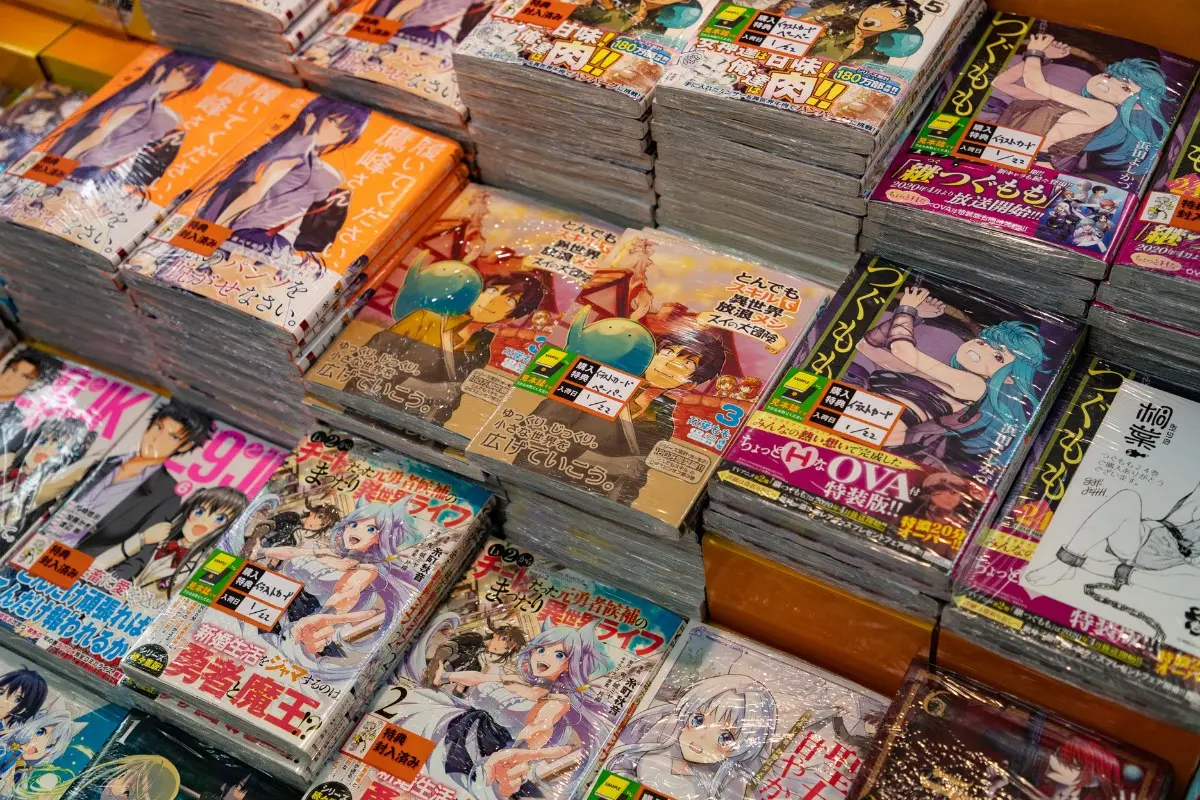
This genre of erotic fiction, which originated in 1960s Japanese manga, is mainly written and read by heterosexual women and has gained a strong following across Asia and beyond.
According to a 22-year-old writer using the pseudonym Miu Miu, the stories challenge traditional gender roles. She said the genre is “a kind of resistance… resisting a male-dominated society.”
However, the latest crackdown has affected mostly amateur authors who earned little or no money for their work.
Vague laws, harsh punishments
Chinese law punishes the distribution of “obscene content for profit” with significant penalties, including fines and up to ten years in prison for “serious” offences.
These apply when a piece of work receives more than 10,000 views or generates over 10,000 yuan (nearly $1,400) in revenue.
While the law makes exceptions for content deemed to have “artistic value,” that judgement is typically left to the police. A lawyer representing one of the authors said the current rules are outdated, adding that public attitudes towards sex have changed significantly over the past 30 or 40 years.
One author who was contacted by police had earned only 2,000 yuan from two books spanning 72 chapters, which together had been viewed around 100,000 times.
On Weibo, the author wrote, “Are there really 100,000 people who have seen my work like they said? Are they really going to sentence me to three to five years?” She added, “Don’t they know how precious three to five years of life are?”
“Distant water fishing” and local enforcement
Criticism has resurfaced over “distant water fishing,” a practice where police from one province travel to another to investigate suspects, often in an effort to seize assets. The lawyer said this kind of enforcement is often profit-driven and described it as a “very dirty practice.” The central government in Beijing has issued several warnings against it.
Liang Ge, a digital sociology lecturer at University College London, said police see this type of content as a potential revenue stream, adding that “police find this kind of stuff can make them money.”
In one instance, a police officer from Lanzhou in northwestern China travelled more than 2,000 kilometres to interrogate a writer in her hometown. She was brought to the police station and questioned for several hours. Though currently out on bail, she may still face criminal charges, which could prevent her from sitting China’s civil service exam or working in hospitals and schools.
Another 20-year-old author was summoned by police and had to travel hundreds of miles from Chongqing to Lanzhou. On arrival, police told her to “return the illegal income” from her writing in order to reduce her sentence.
Part of a broader crackdown
Observers see the campaign as part of a broader effort to suppress LGBTQ expression in China under President Xi Jinping. Homosexuality was considered a crime in China until 1997 and a mental illness until 2001. Same-sex marriage remains illegal and discrimination is still widespread.
As Boys’ Love has grown in popularity, it has also come under tighter censorship. Television adaptations have rewritten male romantic leads as friends, as same-sex relationships are banned from appearing on screen.
In 2018, a writer under the pseudonym Tianyi received over a decade-long prison sentence for earning $21,000 from a homoerotic novel about a teacher and student. Last year, a court in Anhui province heard 12 cases related to the spread of obscene content for profit, although the outcomes of those cases have not been made public.
Ge, who is also a long-time BL reader, said that many people in China “feel less and less space to express themselves freely.” She added that “it’s not just about posting something on social media, it’s about reading something in their private life.”
Writers losing hope
In response to news of the crackdown, many Haitang users rushed to delete their accounts. However, Miu Miu said she still hopes to finish some of her favourite stories. She said, “Sexual knowledge has become taboo. This is a social awakening.”
(AFP inputs)