Chernobyl reconnected: Ukraine restores power to nuclear site after massive Russian strike
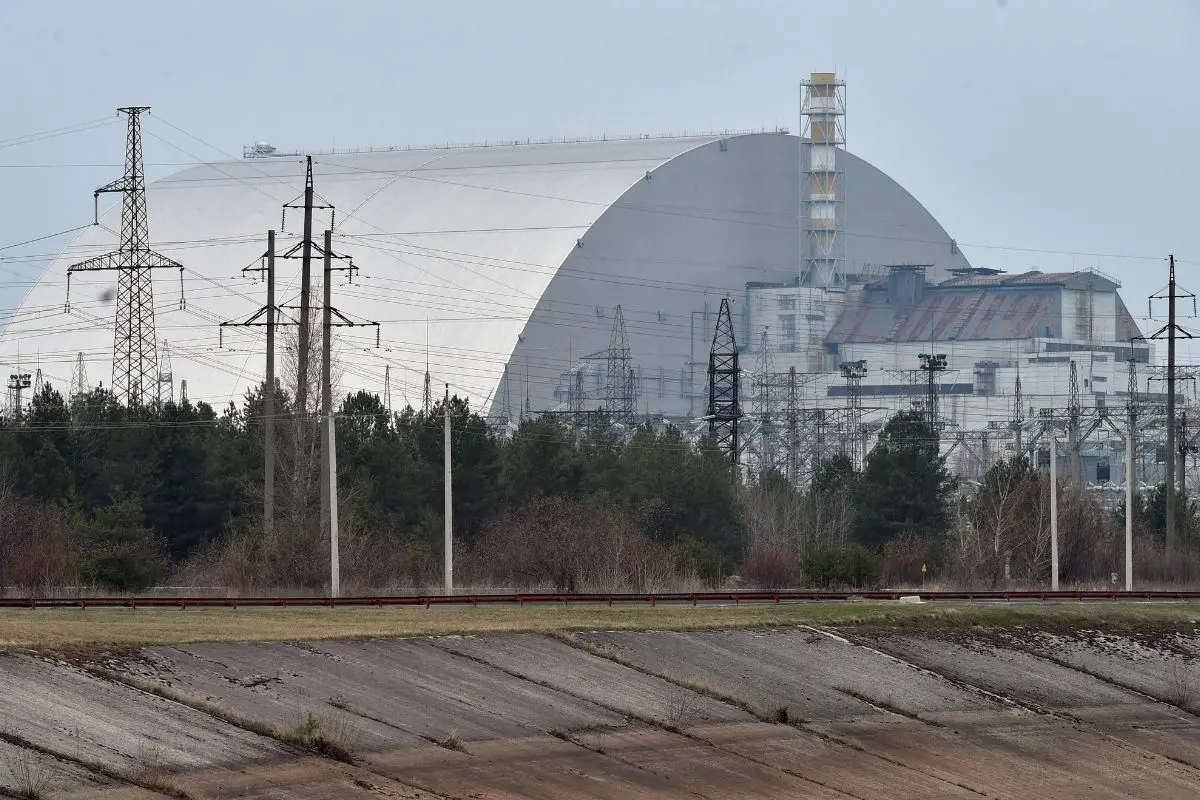
Ukraine's Chernobyl Nuclear Power Plant has been reconnected to the country's power grid following a massive overnight Russian drone and missile assault that temporarily knocked out all external power to the facility, with officials confirming radiation levels remain normal.
The International Atomic Energy Agency confirmed early Tuesday that the plant, site of the world's worst civil nuclear disaster, had lost all off-site power after Russian forces targeted energy infrastructure across Ukraine. "Several Ukrainian electrical substations vital for nuclear safety were affected by widespread military activity this morning," IAEA Director General Rafael Grossi said on X.
Ukraine's energy ministry announced later Tuesday that power had been restored and radiation levels posed no threat.
Broader Energy Grid Under Assault
The strikes on Chernobyl were part of a coordinated Russian assault that affected multiple nuclear facilities. Power lines to other nuclear plants across Ukraine were also impacted by the attacks, according to the IAEA.
The bombardment left thousands of homes in Kyiv without electricity and heating as temperatures plunged to minus 15 degrees Celsius. Ukrainian officials said the attacks knocked out power in five regions across the country.
Ukrainian Foreign Minister Andrii Sybiha condemned Russia's actions, calling the strike "reckless" and a threat to nuclear safety. "This represents the use of nuclear risk as a means of coercion," he said on X, urging the IAEA Board of Governors to convene an urgent meeting to address Russia's involvement.
Deteriorating Safety Conditions
The power loss raises fresh concerns about nuclear safety at the decommissioned plant. The IAEA previously warned that the protective New Safe Confinement structure at Chernobyl can no longer contain radioactive material after suffering damage from a drone strike in February 2025.
An IAEA inspection in December 2025 found that the structure had "lost its primary safety functions, including the confinement capability," Grossi said. While repairs have been carried out, he emphasised that "comprehensive restoration" is needed to "prevent further degradation and ensure long-term nuclear safety."
The 1986 Chernobyl disaster remains history's worst nuclear accident, spreading radiation across Europe. The New Safe Confinement was completed in 2016 to prevent further release of radioactive material from the destroyed fourth reactor.