Paramount to pay Trump $16 million to settle ’60 Minutes’ lawsuit
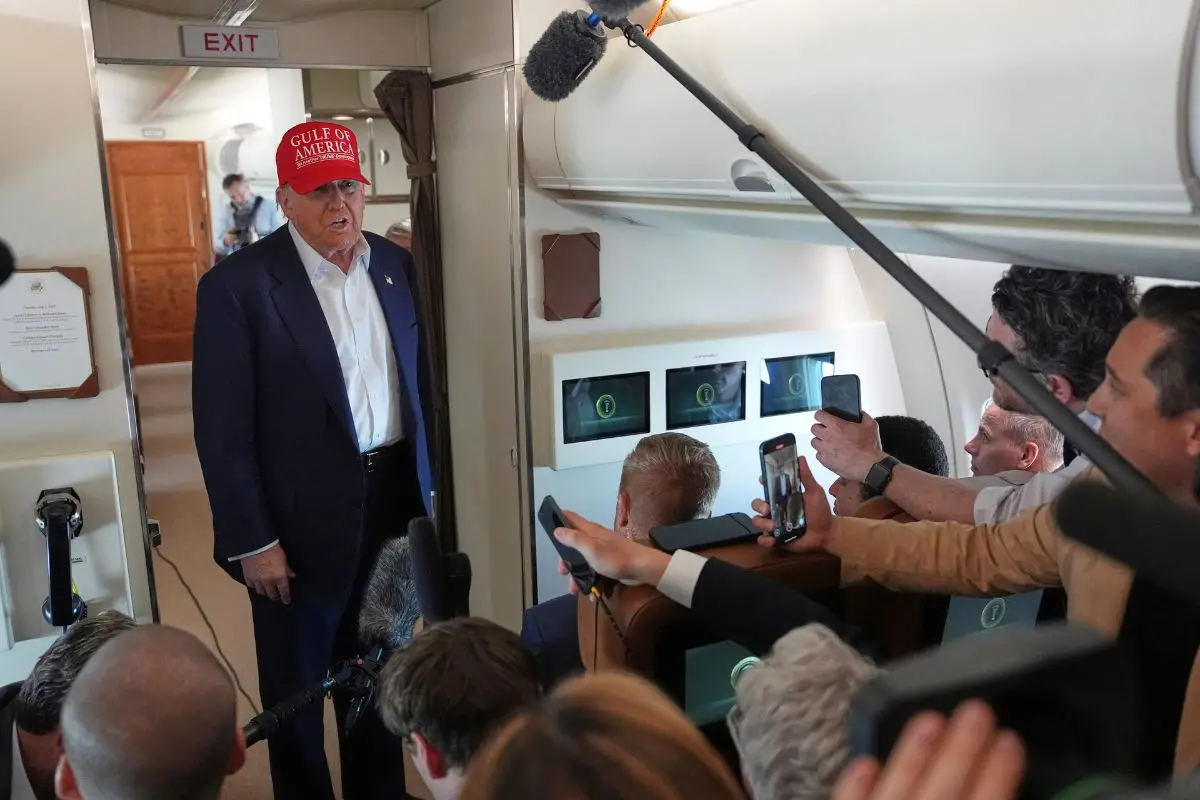
Paramount Global, the parent company of CBS News, has agreed to pay $16 million to settle a lawsuit brought by President Donald Trump concerning a "60 Minutes" news report aired last fall. The controversial settlement, announced late Tuesday night by Paramount, will see the funds directed to Trump’s future presidential library, mirroring a prior agreement between Disney’s ABC and the former President. Paramount explicitly stated that the settlement includes "plaintiffs’ fees and costs" and contains no "statement of apology or regret."
As part of the agreement, "60 Minutes" will commit to releasing transcripts of interviews with eligible U.S. presidential candidates after broadcast, subject to necessary redactions for legal or national security reasons.
Legal experts have widely deemed Trump’s original lawsuit "frivolous and dangerous," suggesting CBS was well-positioned to win the case in court. However, analysts point to Paramount's ongoing efforts to secure a lucrative merger with Skydance Media, which requires approval from the Trump administration due to CBS owning government-licensed local stations. Critics suggest this provided Trump with significant leverage, pressuring the company to settle.
Paramount, however, maintained that the lawsuit is "completely separate from, and unrelated to, the Skydance transaction and the FCC approval process." FCC Chairman Brendan Carr also reiterated that his merger review process is distinct, despite earlier comments that complaints over the "60 Minutes" edit would likely arise during the merger review.
Press freedom organisations have voiced strong criticism, with the Freedom of the Press Foundation labelling the case "beyond frivolous" and characterising the payment as a "payoff" that raises alarming questions about journalistic independence.
Trump's lawsuit, filed before his re-election, centred on a single question and answer during a "60 Minutes" interview with then-Vice President Kamala Harris. He alleged, without evidence, that the exchange was deliberately edited to benefit Harris and demanded damages initially ranging from $10 billion to $20 billion. CBS had defended its editing as standard television news practice and, under pressure from the FCC last winter, released raw interview materials which confirmed normal editing procedures.
The protracted legal pressure from Trump, coupled with the pending merger, reportedly caused significant internal turmoil at CBS News. This tension became public with the resignations of "60 Minutes" executive producer Bill Owens, who cited a "loss of editorial independence," and CBS News executive Wendy McMahon, who alluded to disagreements over the company's "path forward." "60 Minutes" correspondent Scott Pelley also publicly criticised Paramount for executives "supervising our content in new ways."
This settlement is part of a pattern of media lawsuits filed by Trump, including against The Des Moines Register and a prior settlement with ABC News, which critics suggest provided a blueprint for the Paramount agreement.