31 cases of uncommanded RAT deployment reported on Boeing 787s in 14 years: Official
New Delhi: Boeing’s Dreamliner aircraft have experienced 31 cases of uncommanded deployment of the Ram Air Turbine (RAT) globally over the past 14 years, with most incidents occurring within six months of maintenance involving manual RAT stowage, a senior official revealed.
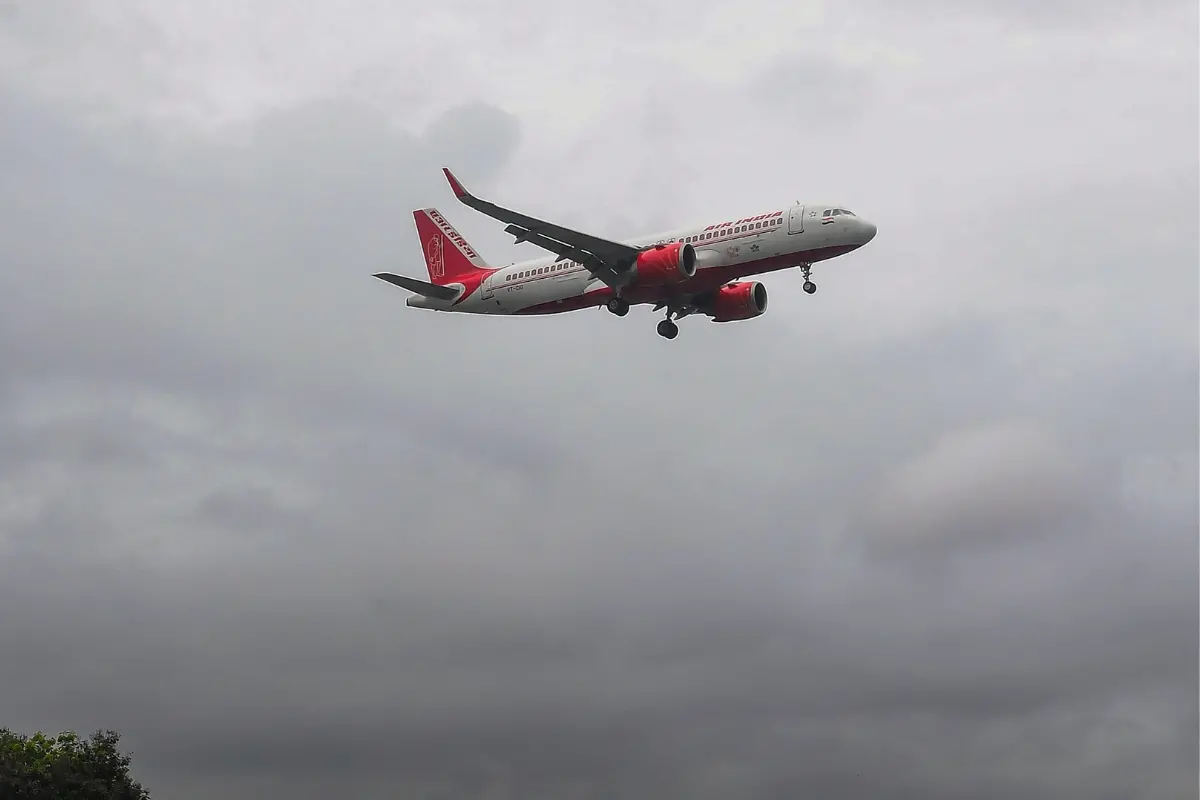
The revelation comes after the RAT unexpectedly deployed on Air India’s Boeing 787-8 Dreamliner (VT-ANO) seconds before landing at Birmingham Airport on 4 October. The flight AI117 from Amritsar landed safely without incident.
Following the event, the Directorate General of Civil Aviation (DGCA) instructed Air India to carefully repeat the RAT stowage procedure as per Boeing’s Aircraft Maintenance Manual (AMM) for 16 Dreamliners that had experienced RAT deployment in the previous six months.
The RAT is designed to deploy automatically in emergencies such as dual engine failure or total electric or hydraulic failure, generating emergency power by harnessing wind speed. However, the reported cases involve uncommanded deployments — where the RAT deployed without pilot input or automatic triggers.
“Notably, 29 of these 31 events involved RAT stow actuators lacking a modification to the shuttle valve — a component that controls pressure within the up-lock toggle mechanism,” the official explained. “These incidents typically happened within six months following maintenance requiring manual RAT stowing as outlined in the AMM.”
In Air India’s case, the VT-ANO underwent RAT maintenance in July 2025, after which the RAT was manually stowed.
“The up-lock mechanism’s toggle assembly within the stow/deploy actuator can face issues during manual stowing that might prevent the toggle from fully seating in position,” the official added. “Subsequent vibrations or jolts during takeoff, landing, or on rough runways can cause the toggle to slip into the deploy position.”
To reduce the risk of such malfunctions, Boeing introduced a design change to the shuttle valve in the RAT stow actuator. However, the VT-ANO and 18 other Air India Boeing 787s do not have this modification.
“There is currently no Service Bulletin (SB), Service Letter (SL), or Service Information Letter (SIL) available concerning the shuttle valve design improvement,” the official noted.
Following the RAT deployment incident on 4 October, the DGCA mandated Air India to meticulously repeat the RAT stowage procedure on all aircraft with recent RAT deployments.
“Sixteen Boeing 787 aircraft were identified for this preventive action. RAT stowage has already been repeated for 14 aircraft, ensuring proper toggle assembly seating to reduce the risk of inadvertent RAT deployment from pressure fluctuations or mechanical shocks,” the official confirmed. “The remaining two aircraft are scheduled for this task during ongoing base maintenance.”
Boeing Dreamliners have been a staple of long-haul flights for over 14 years, with more than 1,100 currently in operation worldwide.
Air India’s Boeing 787 crash on 12 June, which tragically claimed 241 lives, marked the first fatal accident involving the Dreamliner, a best-selling wide-body aircraft.
— PTI