Bangladesh to seek Interpol Red Notice to extradite Sheikh Hasina from India
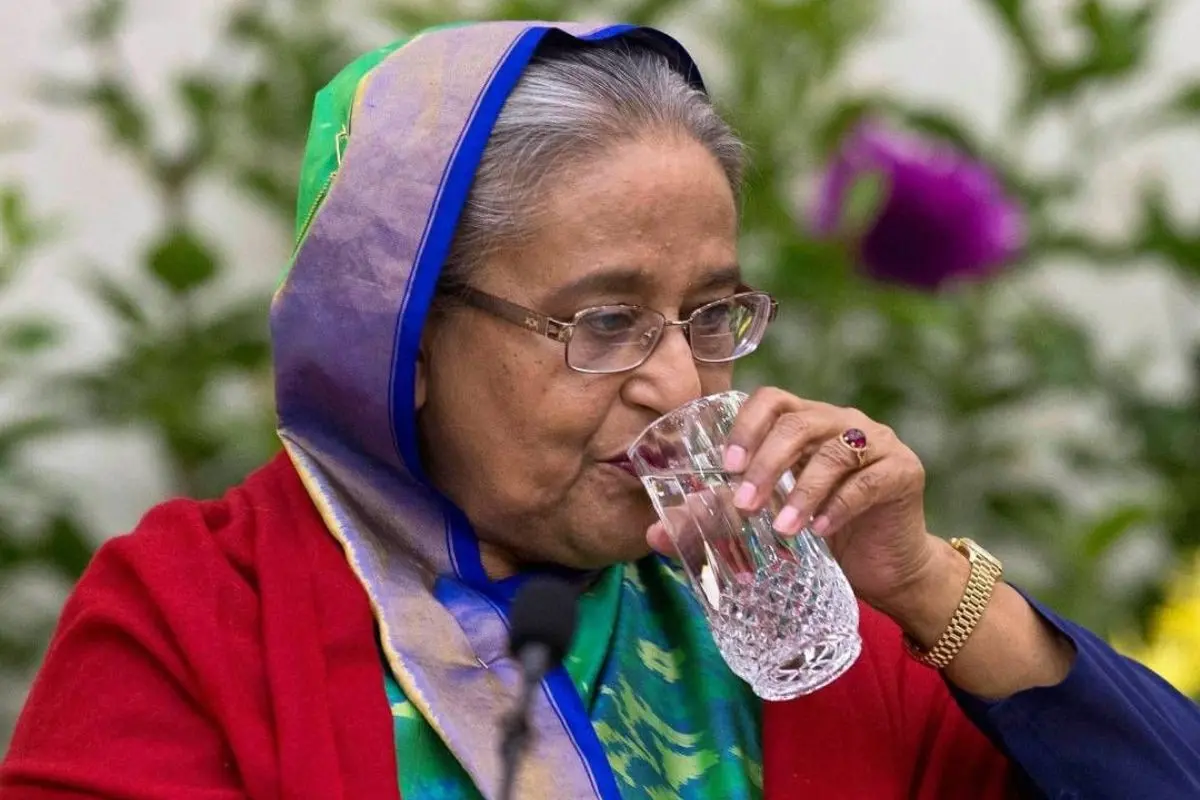
New Delhi: Bangladesh’s interim administration is moving to seek Interpol’s help to extradite ousted Prime Minister Sheikh Hasina and former home minister Asaduzzaman Khan Kamal from India, days after both leaders were sentenced to death in absentia by the International Crimes Tribunal (ICT) in Dhaka for crimes against humanity during the July–August 2024 agitation.
According to media reports, ICT prosecutor Gazi MH Tamim will be submitting an application to Interpol, attaching the Tribunal’s arrest warrant and seeking the issuance of a Red Notice against Hasina and Kamal. The prosecutor indicated that a fresh request, based on the recent conviction warrant, will soon be sent through the Dhaka foreign ministry.
Dhaka’s Law, Justice and Parliamentary Affairs Adviser Asif Nazrul confirmed that preparations are underway to formally ask New Delhi for Hasina and Kamal’s extradition. Bangladesh and India signed an extradition treaty in 2013 requiring the return of convicted fugitives, though the pact allows for rejection in cases considered political in nature – a category legal experts say may be applicable in Hasina’s case.
Sheikh Hasina, who was forced from power after the 2024 student protests were hijacked by Islamist groups, is believed to be in New Delhi after fleeing Bangladesh. Dhaka’s foreign ministry stated it is finalising a diplomatic note to India and might dispatch it within days. An earlier communication reportedly sent last December received no response from New Delhi.
India has so far offered only a guarded public comment, reaffirming its commitment to “the best interests of the people of Bangladesh” and pledging to “engage constructively with all stakeholders”. The ICT prosecutor reiterated that Hasina and Kamal must surrender and file appeals within 30 days, in accordance with the special tribunal law.
Meanwhile, Hasina’s Awami League condemned the verdict as “made by a rigged tribunal established and presided over by an unelected government with no democratic mandate”, calling the trial biased and politically motivated. Asaduzzaman Khan Kamal, speaking to India Today TV, described the ruling as “expected” and accused the court of targeting Awami League leadership, suggesting outside influence was at play.