India-Bangladesh ties sour as Dhaka pivots to China post-Hasina ouster
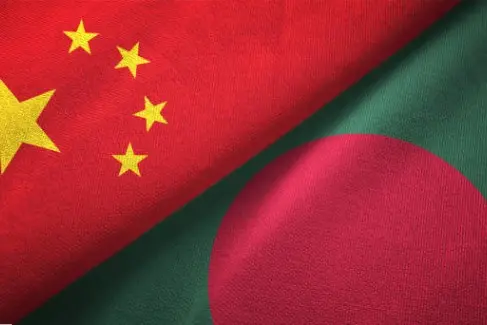
Dhaka: Bangladesh’s post-revolution political trajectory has triggered a major geopolitical realignment in South Asia.
Following last year’s student-led uprising that ousted long-serving Prime Minister Sheikh Hasina, the interim government in Dhaka has pivoted towards stronger relations with China and Pakistan, unsettling India, a former key ally.
India’s displeasure is rooted in Hasina’s escape to New Delhi during the August 2024 unrest, and her continued refuge there under Prime Minister Narendra Modi’s Hindu nationalist administration. Now convicted in absentia for contempt of court, Hasina also faces charges of crimes against humanity.
Interim leader Muhammad Yunus, a Nobel laureate, has accused India of becoming a target of public resentment in Bangladesh for offering sanctuary to Hasina. The diplomatic fallout has deepened, with both nations enacting mutual trade restrictions.
Yunus made his first state visit to China in March, securing $2.1 billion in aid and investment. Beijing has further courted Bangladeshi political parties, including the Bangladesh Nationalist Party (BNP), which is leading in polls ahead of the 2026 elections. BNP leader Mirza Fakhrul Islam Alamgir noted China’s “sincerity” in strengthening future cooperation.
The geopolitical equation has also expanded to include Pakistan. Bangladesh and Pakistan have initiated maritime trade and are planning direct air routes. Dhaka also engaged in trilateral talks with Beijing and Islamabad in June, formalising cooperation in trade, education, agriculture, and health.
Analyst Obaidul Haque highlighted China’s offer of medical alternatives after India restricted access for Bangladeshi patients. China designated three hospitals specifically for Bangladeshi citizens, reducing the country’s earlier dependence on Indian medical tourism.
India, meanwhile, has tightened import rules on Bangladeshi goods including jute, garments, and plastics. While trade between the neighbours remains substantial, the diplomatic warmth has notably faded.
New Delhi-based analyst Praveen Donthi from the International Crisis Group said: “India-Bangladesh relations have probably never experienced such intense strain before.” He warned that India views the current interim government, and its Islamist-aligned political sympathies, as hostile to its interests.
Donthi also suggested New Delhi might attempt to undermine the current government unless elections deliver a leadership more aligned with its interests. “It is very unlikely that their position will change towards the current government in Dhaka,” he said.
In parallel, Bangladesh is also navigating fallout from US trade policy. The country, the world’s second-largest garment exporter, has faced challenges from President Trump’s tariffs. In response, Dhaka is proposing to buy Boeing aircraft and increase imports of American wheat, cotton, and oil to narrow the trade deficit.
Former ambassador Md Humayun Kabir urged balance in foreign policy, saying Bangladesh must “tread carefully forming alliances” and avoid over-dependence. “Cooperation still exists between the countries, but the warmth is gone,” he said.
(With AFP inputs)