US says neutral, meets Jamaat-e-Islami ahead of Bangladesh elections: What it means for India
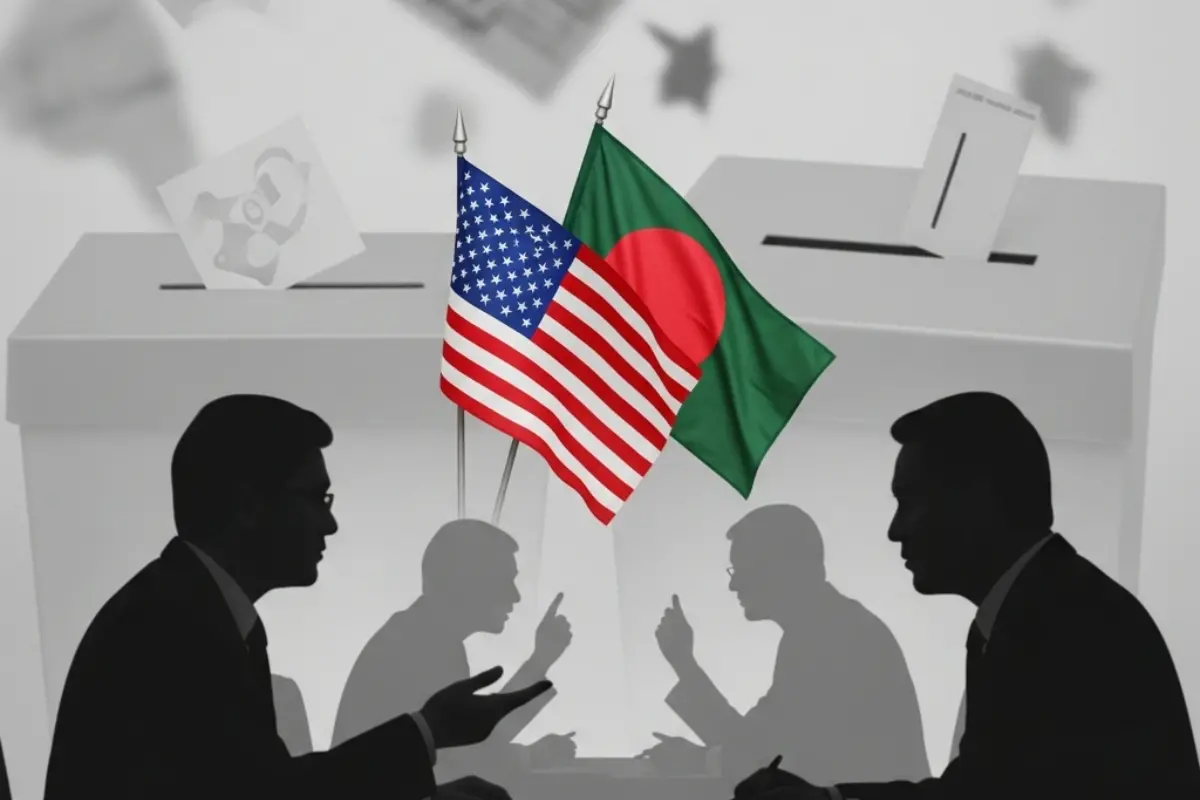
Dhaka: Reports suggesting increased US contact with Jamaat-e-Islami have triggered debate in the region, particularly given the party’s historical opposition to Bangladesh’s 1971 liberation and its long-standing anti-India stance.
According to a Washington Post report, US embassy officials recently met Jamaat leaders at the party’s regional office in Sylhet, continuing a pattern of outreach that has expanded since 2023.
A US diplomat was quoted as saying, “We want them to be our friends,” during an interaction with local journalists, fuelling speculation about Washington’s political intentions ahead of the polls. However, the US embassy in Dhaka rejected suggestions of backing any specific party, stressing that the December discussion was an off-the-record meeting covering multiple political actors.
“The United States does not favour one political party over another and plans to work with whichever government is elected by the Bangladeshi people,” embassy spokesperson Monica Shie said, according to the report.
Also read: CUET PG 2026 registration date extended by National Testing Agency
US engagement with Jamaat-e-Islami has reportedly intensified over the past two years. In 2023, a senior US diplomat met a Jamaat leader ahead of violent protests against former prime minister Sheikh Hasina’s government. The outreach increased further in 2025, with former US ambassadors visiting the party’s headquarters in March, followed by invitations to Jamaat leaders for discussions at the US embassy in June on governance and stated positions on women’s and minority rights.
In July, US chargé d’affaires Traci Anne Jacobson met Jamaat chief Shafiqur Rahman at the party headquarters. Rahman has previously drawn criticism for extremist rhetoric, including praise for Hamas leader Yahya Sinwar and antisemitic remarks. Despite this, he was granted a US visa in November.
The developments come amid heightened concern over minority safety in Bangladesh, with the government admitting to hundreds of minority-related incidents in 2025 while downplaying any communal motive. For India, the evolving US-Jamaat engagement raises strategic questions, given Jamaat-e-Islami’s ideological history and its implications for regional stability and bilateral ties.
As Bangladesh approaches its elections, the nature and intent of international engagement with Islamist political groups is likely to remain under close watch across South Asia.