From Governor to Mayor: 57 Indian Americans on the ballot in US midterm elections on Tuesday
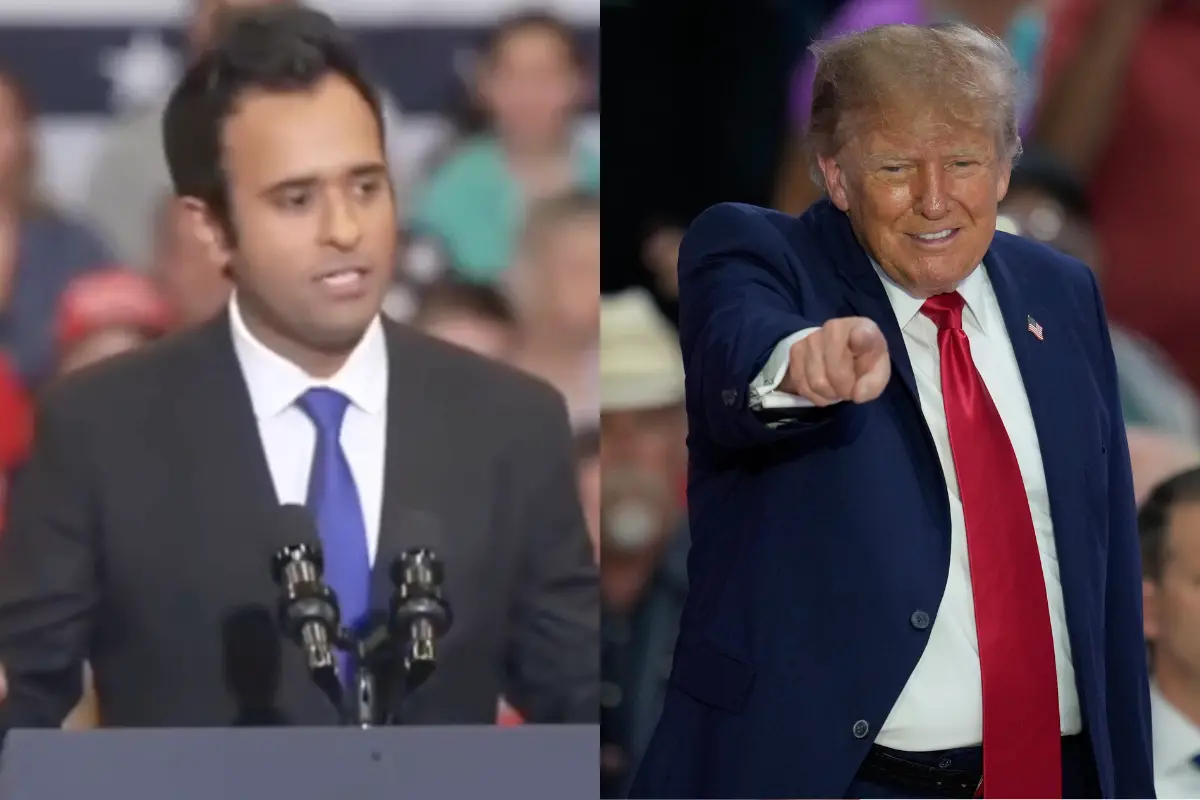
Washington: At least 57 Indian American candidates are contesting the November 3 US midterm elections, putting the community in the spotlight across races for the US Senate, House of Representatives, state legislatures and local offices. From Vivek Ramaswamy’s bid for Ohio governor to Nithya Raman’s challenge to Los Angeles Mayor Karen Bass, Indian-origin candidates are seeking voters’ support in contests that could also reshape President Donald Trump’s hold over Congress.
The candidates are spread across the country, with one contesting a Senate seat, 11 running for the House, three seeking statewide offices, 36 contesting state legislative seats and six in local races. The count includes only candidates whose Indian heritage could be confirmed. Another 15 candidates who may be of Indian origin were not included because their backgrounds could not be verified.
Ramaswamy, Raman among closely watched candidates
One of the most closely watched contests is in Ohio, where Republican Vivek Ramaswamy is running for governor against Democrat Amy Acton. Data compiled by FiftyPlusOne on Sunday showed Acton leading Ramaswamy by about three percentage points.
In Los Angeles, city council member Nithya Raman is challenging incumbent Mayor Karen Bass. A final UC Berkeley Institute of Governmental Studies poll, co-sponsored by the Los Angeles Times, found both candidates tied at 40 per cent, with 19 per cent of voters undecided.
In New York, Republican Saritha Komatireddy is challenging Democratic Attorney General Letitia James. A Siena poll released on October 28 put James ahead, 54 per cent to 39 per cent.
Maryland Lieutenant Governor Aruna Miller, a Democrat, is seeking re-election on the Democratic ticket against a Republican ticket that includes Dan Cox. In Massachusetts, Shiva Ayyadurai is contesting a US Senate seat as an independent against Democratic Senator Ed Markey.
Also read | Trump defends Ramaswamy’s divisive ad featuring Amy Acton in Ohio governor’s race: What sparked the row?
Indian Americans in key House contests
Of the 11 Indian American candidates running for the House of Representatives, four are incumbent Democrats: Ro Khanna and Ami Bera of California, Pramila Jayapal of Washington state and Suhas Subramanyam of Virginia.
Two contests feature Indian American candidates facing each other. In California’s 17th Congressional District, Khanna is up against Republican Ritesh Tandon, a Silicon Valley entrepreneur. In Washington’s 7th District, Jayapal faces Republican Nirav Sheth, a Gujarat-born former US Marine. Both constituencies are rated safe for Democrats by the Cook Political Report and other forecasters.
Democrats Amish Shah in Arizona’s 1st District and Pia Dandiya in Florida’s 22nd District are contesting open seats that forecasters consider competitive.
The other House candidates include Republican Mahesh “Max” Ganorkar in North Carolina’s 4th District, and independents Sandeep Dixit in Ohio’s 13th District and Anil Kumar in Michigan’s 11th District.
36 candidates contest state legislative seats
The largest group of Indian American candidates is running for state legislatures. The 36 candidates are spread across 22 states, with California, Illinois and New York recording four candidates each.
Six candidates are contesting local offices. They include Salt Lake County District Attorney Sim Gill in Utah, Oakland City Council member Janani Ramachandran and Rohit Malhotra, who is running for the Fulton County Commission in Georgia.
Also read | US midterms: India trade negotiations unlikely to be affected by results, says expert
Trump’s control of Congress also at stake
The midterm elections will also determine whether Republicans retain control of both chambers of Congress for the remaining two years of Trump’s term. Republicans currently hold narrow majorities in the House and Senate.
In the House, Democrats need a net gain of three seats to reach the 218 required for a majority, while Republicans currently have 218 members, alongside one independent, against 214 Democrats, with two vacancies.
The Senate is split 53-47. Democrats need a net gain of four seats to become the majority party, while Republicans can afford to lose three seats and retain control with Vice President JD Vance’s tie-breaking vote. Thirty-five Senate seats are being contested, including 22 currently held by Republicans.
The Cook Political Report has rated seven Senate races- Alaska, Iowa, Kansas, Maine, Michigan, Ohio and Texas- as toss-ups. Six are currently held by Republicans and one by Democrats.
A Democratic majority in either chamber would have significant consequences for the Trump administration. Control of the House would give Democrats the power to lead congressional investigations and influence government spending. A Senate majority would give them control over confirmation proceedings for judges and Cabinet nominees.
Polls in the first states are scheduled to close at 6 pm Eastern time on Tuesday. Results in closely contested races, including Alaska’s ranked-choice count and California’s slower vote-counting process, could take several days to settle.
(With IANS inputs)