Will RBI hold rates in April amid rising inflation risks? Economists weigh in
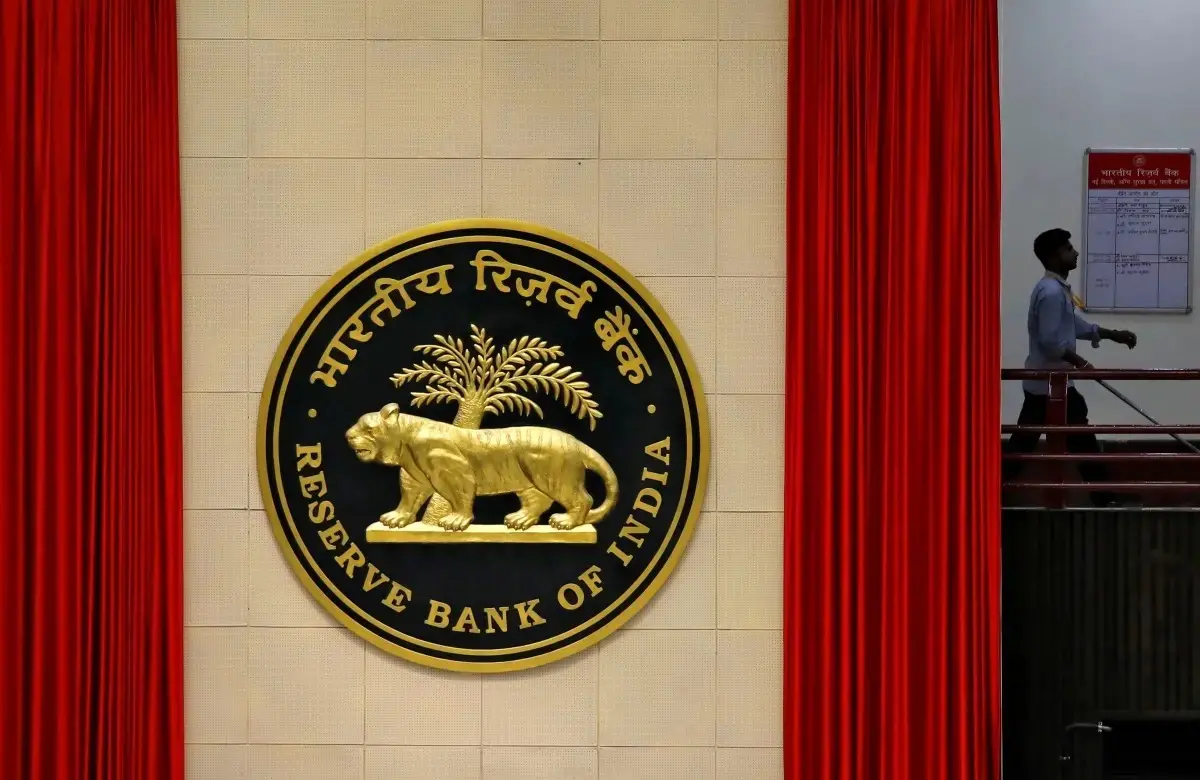
Mumbai: The Reserve Bank of India is expected to keep the benchmark repo rate unchanged at 5.25 per cent in its April monetary policy review, as rising geopolitical tensions in West Asia and elevated crude oil prices cloud the inflation outlook, economists said.
According to a poll of over a dozen economists, volatility in global commodity prices, sharp currency movements, and the rupee weakening to record lows have complicated the central bank’s policy calculations. Market participants will closely track the RBI’s updated projections on growth, inflation, and its policy stance.
"Given the uncertainty around crude oil prices and geopolitical developments, the RBI is likely to remain on pause in the April policy and closely monitor incoming inflation data before taking any further action," said Aditi Nayar, Chief Economist at ICRA.
Economists noted that the ongoing crisis has already begun impacting India through higher import costs. Soumya Kanti Ghosh, Chief Economist at State Bank of India, said the central bank will exercise caution in its communication while maintaining a pause.
"India is not unscathed from the current crisis and is feeling the mercury rising. Rupee is already hovering above 93 per dollar, and crude oil is adamant above USD 100 per barrel, resulting in a jump in imported inflation across states," Ghosh said, adding that the projected "super El Nino" will also put pressure on inflation.
Dipti Deshpande, Principal Economist at CRISIL, said the central bank may look through the current supply-side shock if inflation remains near its target.
"Under the base case expectation that inflation stays close to the MPC's target, the monetary policy may look through this supply shock and will keep rates on hold," she said.
The RBI has cumulatively reduced the repo rate by 1.25 percentage points since last February, taking advantage of easing inflation to support growth. However, it has held rates steady in the August, October and February 2026 policy reviews.
The six-member Monetary Policy Committee (MPC) is scheduled to begin its April meeting on Monday, with the final decision expected on Wednesday.
While retail inflation has moderated closer to the RBI’s medium-term target of 4 per cent, economists flagged renewed upside risks due to rising crude oil prices. Fuel, transportation, and core inflation components could see second-round effects if global prices remain elevated.
Estimates suggest that every USD 10 increase in crude oil prices can push inflation up by as much as 0.60 percentage points. Crude prices have surged from around USD 60 per barrel to above USD 100 since the escalation of the West Asia conflict in late February. Meanwhile, the rupee has depreciated by over 4 per cent during the same period, adding to imported inflation pressures.
"We do not expect any change in repo rate or stance this time. The tone will be cautious, and what will be eagerly awaited is the RBI's forecast of GDP and inflation under the prevailing uncertainty," said Madan Sabnavis, Chief Economist at Bank of Baroda.
Sakshi Gupta, Principal Economist at HDFC Bank, cautioned against reacting to short-term volatility.
"The central bank would prefer to wait for clearer signals on the inflation trajectory," she said.
Economists indicated that the RBI may revise its inflation and growth forecasts in the upcoming policy to reflect evolving global risks. There is also a possibility of an upward revision in inflation projections if crude oil prices remain elevated for a prolonged period.
With global uncertainties persisting, the policy focus is expected to tilt more towards inflation management than growth support, analysts said.
"While domestic growth conditions remain supportive, the persistence of global uncertainties could weigh on exports and investment activity, requiring the RBI to maintain policy flexibility," said a treasury official at a private sector bank.
The central bank is also expected to retain its current neutral stance, allowing flexibility to respond to changing macroeconomic conditions. Policymakers are likely to flag upside risks to inflation stemming from volatile crude prices and geopolitical tensions.
Liquidity conditions, transmission of previous rate changes, financial market stability, currency movements, capital flows, and bond market dynamics will remain key factors guiding the RBI’s policy decision, economists added.