Pepper price surge brings relief to farmers in Wayanad
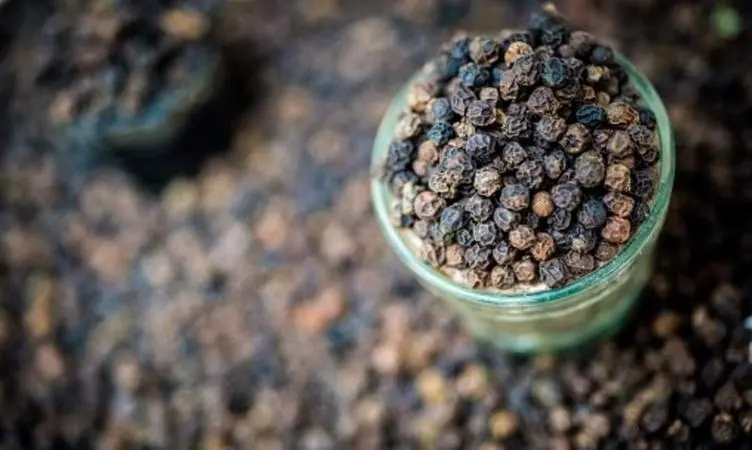
Kalpetta: Pepper prices have seen a significant rise after a prolonged period of stagnation, which brings relief to farmers in Wayanad. Currently, pepper is being procured from local farmers at ₹700 per kg, while premium-grade Wayanadan pepper is fetching ₹710 per kg. In Kochi, prices are reportedly even higher by around ₹10.
Retail markets have also seen an increase in prices. According to VC Brothers E.K. Ummer, a trader in Kalpetta, the highest-quality “Wayanadan Gold” variety is being sold for as much as ₹850 per kilogram and the retail price for regular pepper starts at ₹720.
The surge in prices is primarily attributed to the decline in the global production in major pepper-producing countries, which has led to increase in demand and better prices for Indian pepper.
Pepper prices which were swinging between ₹600 and ₹650 have seen a change in recent past. In Karnataka, pepper prices have climbed up to ₹850 per kg. A decline in imports from countries such as Sri Lanka and Vietnam has also contributed to this positive shift, offering a boost to domestic pepper producers.
Farmers in Wayanad are facing challenges over changing weather patterns, which have affected crop yields. However, those who managed to bring their produce to market during this period have been rewarded with favourable prices. Farmers in regions bordering Wayanad, such as parts of Karnataka and Tamil Nadu, are also experiencing similar benefits, with slight fluctuations.
North Indian markets play a key role in determining domestic prices. The extent to which these markets rely on locally produced pepper, rather than imported varieties, will make a huge influence on future pricing trends. While Sri Lanka is expected to begin its harvest in May, the comparatively lower quality of Sri Lankan pepper may cause Indian traders to rely on domestic produce.
Despite suffering crop losses due to drought in traditional pepper-growing regions like Pulpally, recent monsoon rains have been a blessing for many farmers. The combination of good rainfall and higher prices has revived hopes for the pepper producers and farmers.
This year, summer showers have been more consistent, which helps to prevent the usual issue of pepper vines drying out during the hot months. Farmers hopes for early monsoon rains expected by the end of May and predictions pointing to a reasonably normal rainy season.
If rainfall continues during the flowering phase of the pepper vines, it could make a crucial benefit for the next crop cycle. As a result, farmers are hopeful for an even better harvest in the coming year.